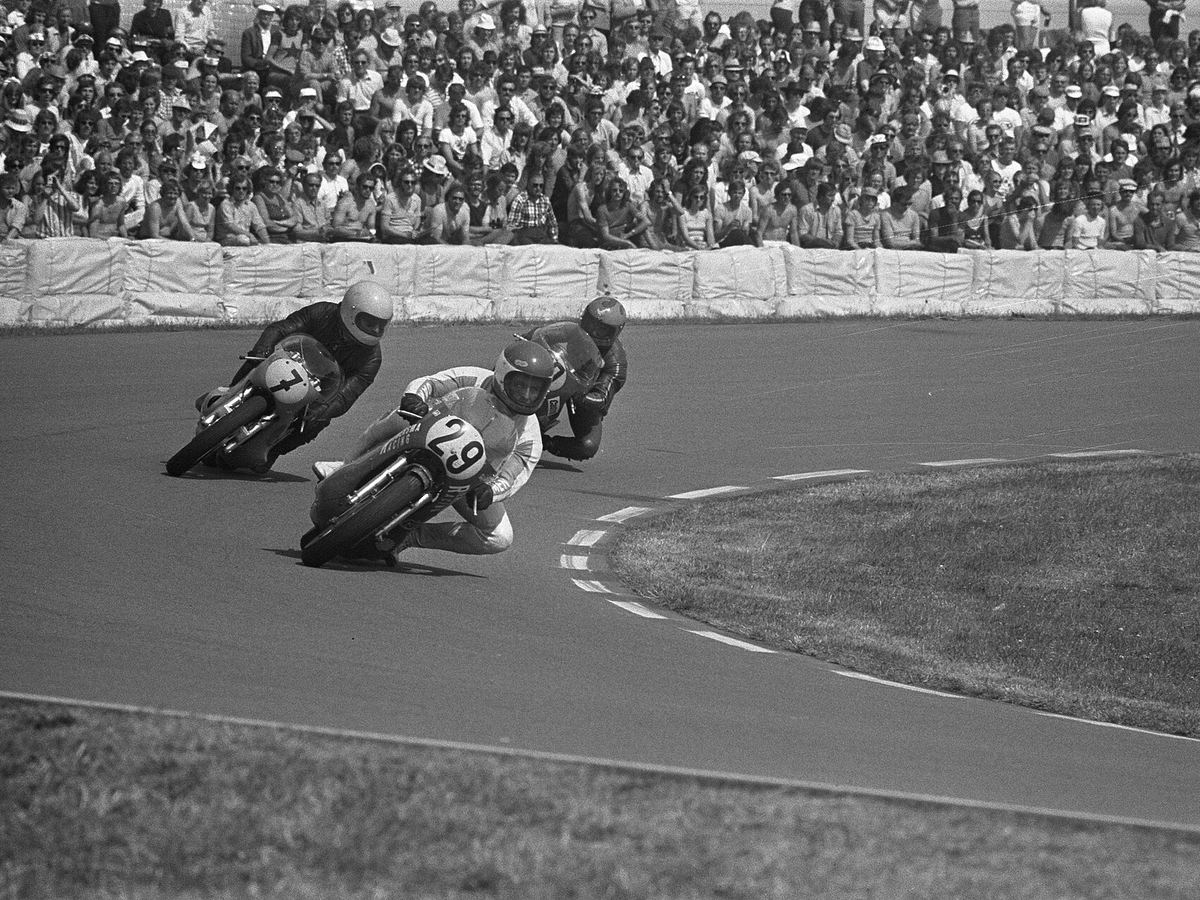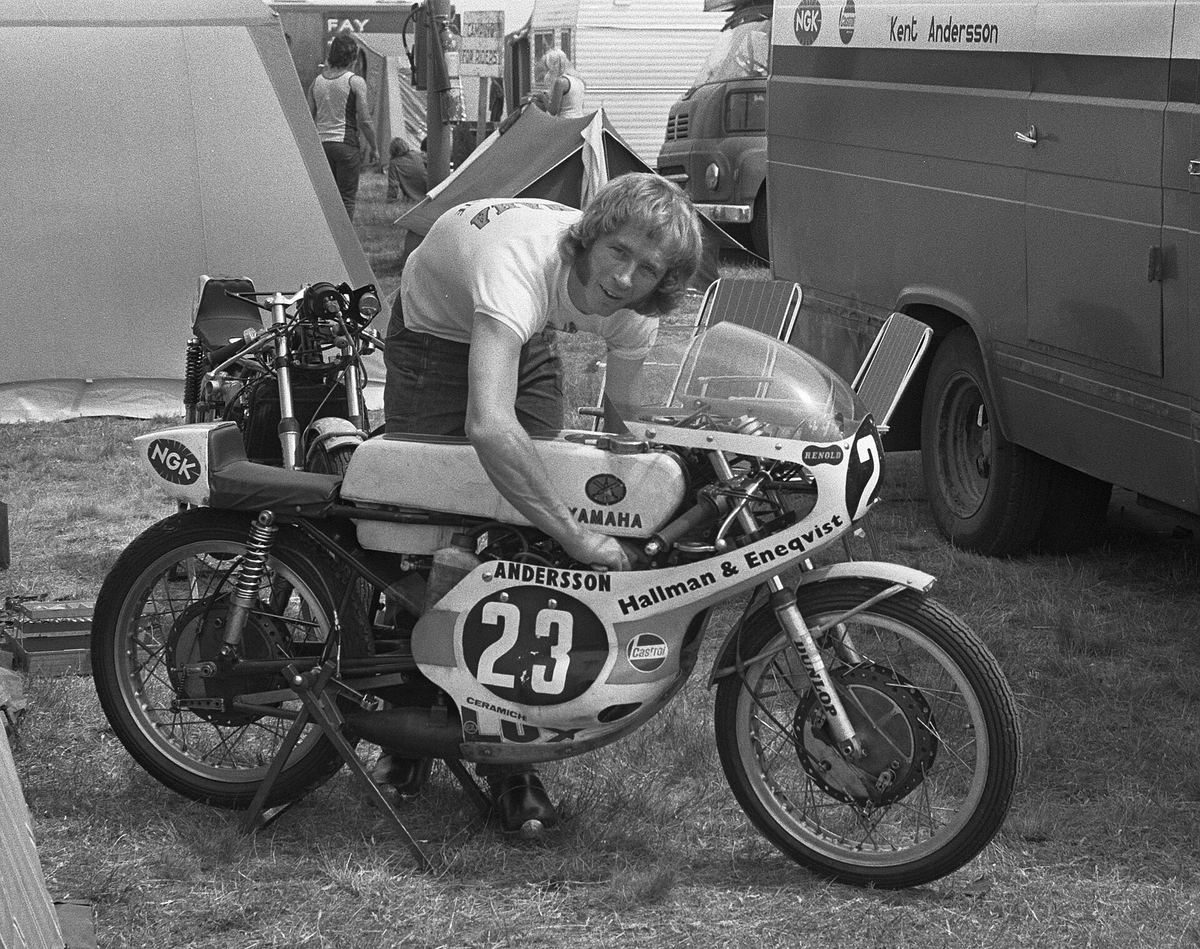
Kent Andersson in 1973. That season he won five of the first six 125cc Grands Prix and became Sweden's first road racing world champion.. Photo: Anefo / Nationaal Archief, CC0
The 125cc race at the 1973 Swedish Grand Prix, run at Anderstorp on Sunday 22 July, was a three-way fight from start to finish. Börje Jansson on a Maico, Kent Andersson and Chas Mortimer on their Yamaha twins never got far apart, and at the flag about 15,000 spectators saw them cross the line in that order.
Jansson won by 1.94 seconds. Andersson was second, 0.13 seconds ahead of Mortimer. According to Italian race reports, he was riding with a fractured foot, four weeks after a crash at Assen. The 12 points for second place were enough. In front of his own crowd, Andersson became the first Swede to win a road racing world championship.
It was a big weekend at Anderstorp. On the Saturday, Phil Read won the 500cc race and with it the title for MV Agusta. On the Sunday, Teuvo Länsivuori beat both MV Agusta riders in the 350cc race and set a new circuit record, and Jan de Vries won the 50s. For the home crowd, though, the result that mattered was a Swedish first and second in the 125s.
He won the title again the following year. He remains the only Swede to have won a road racing world championship, and when Speedweek looked back in 2016, only one other Scandinavian had won a solo title of any kind.
Kent Andersson and the long way to a 125
Andersson was born on 1 August 1942 in Landvetter, near Gothenburg. According to the French site Le Repaire des Motards, he turned to circuit racing after a serious road accident left him with spinal fractures; he decided that riding on the road was too dangerous and that a racetrack was the safer place for his hobby. He was 19 when he started racing in national events in Sweden and Denmark, on a 250cc Monark.
He won the Swedish 250cc title in 1965 and moved into the world championship on Husqvarnas he modified himself. His first Grand Prix points came at Jarama in 1966, with fifth place. Two years later he was racing a Yamaha 250 production racer in the 250cc class and an MZ in the 125s, and took his first Grand Prix podium, third at the Nürburgring.
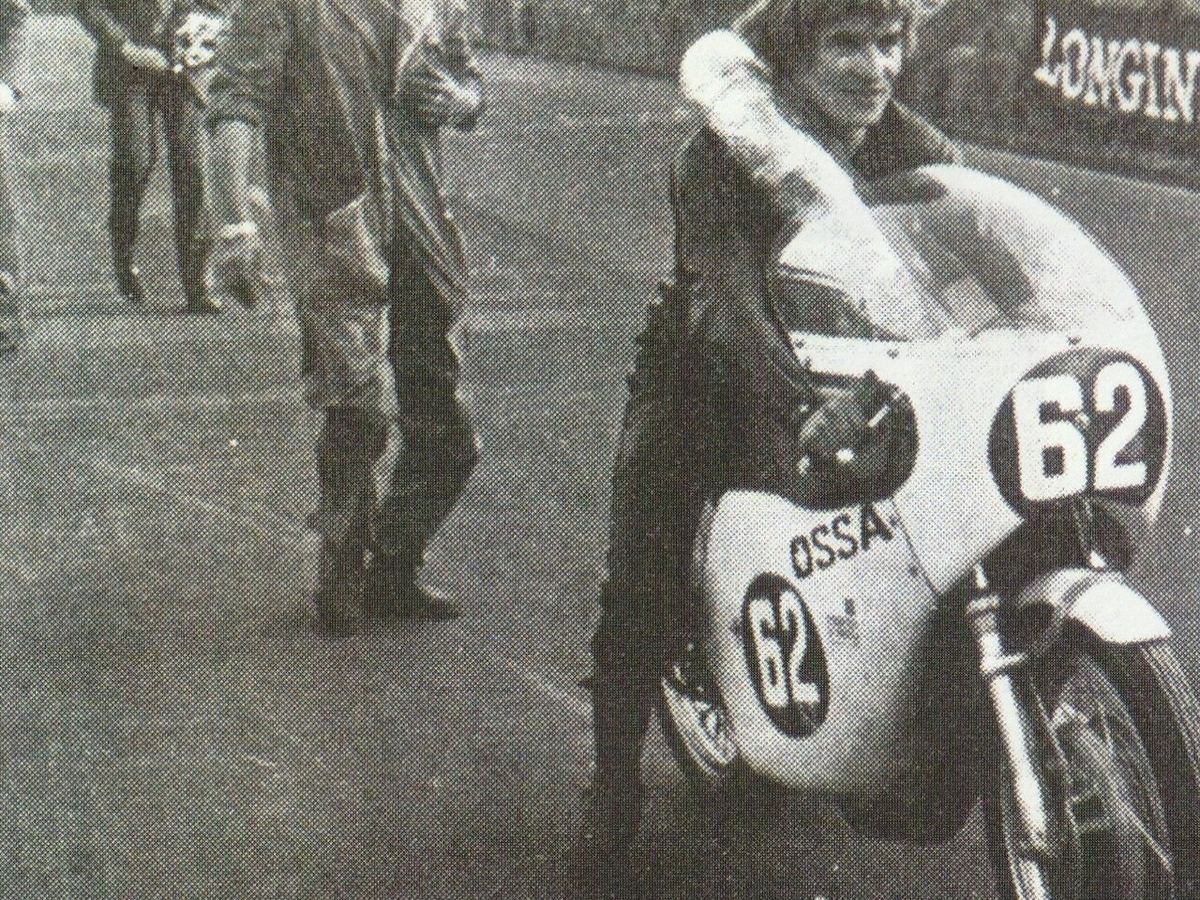
The breakthrough came in 1969. Yamaha and Suzuki had withdrawn their factory teams, and the 250cc class was open to privateers. Andersson bought one of Yamaha's new TD2 production racers, an over-the-counter twin that AMCN says sold for £900 and made about 45 hp, and won his first Grand Prix at Hockenheim on 11 May. He won again at Imatra and fought for the title all season against Kel Carruthers on the four-cylinder factory Benelli, a 64 hp machine with eight gears, and Santiago Herrero on the Spanish Ossa single.
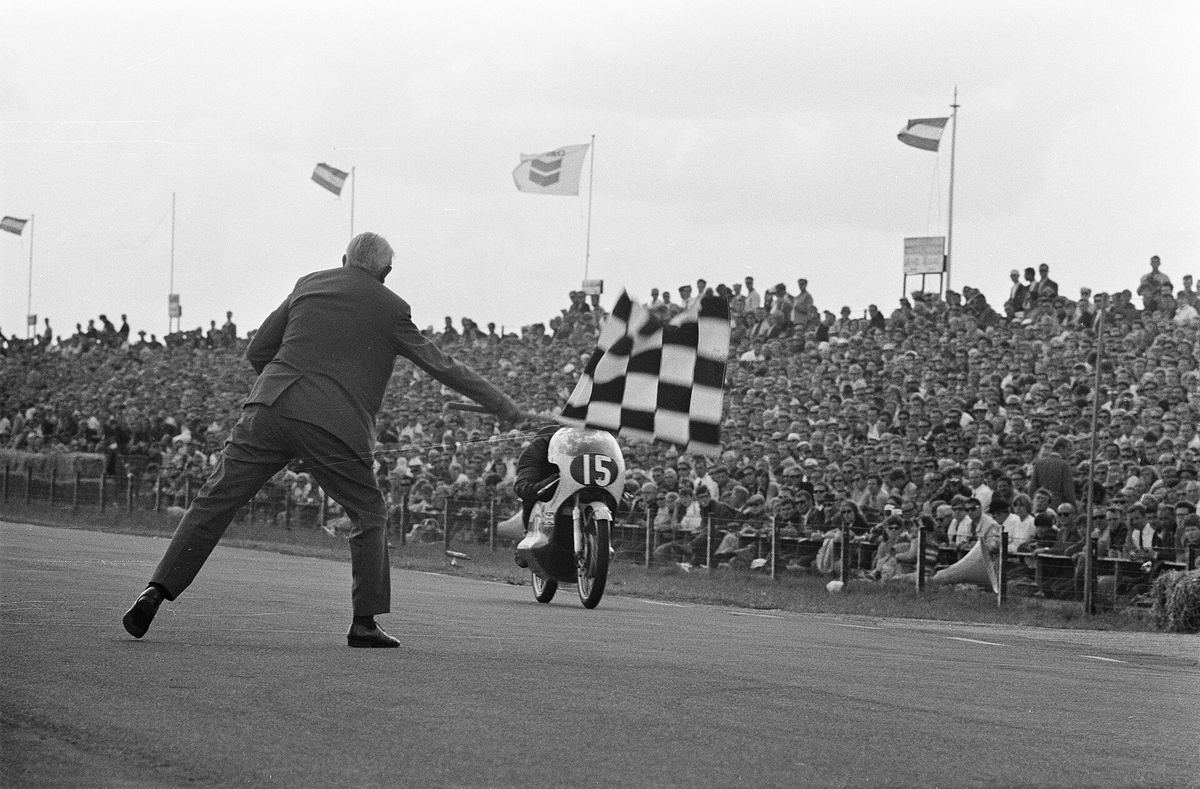
Speedweek calculated that he scored 108 points that year before the discard rule was applied, which left him with 84. Carruthers was champion with 89. In the 125cc class he signed for the German Maico factory, and his second place at Jarama gave Maico its first world championship points and first podium. He was second again in the 125cc race at Assen, behind Dave Simmonds.
Yamaha noticed. For 1970 he joined Rod Gould on factory-supported 250s run by the company's Dutch importer, Yamaha Motor NV. He won the Spanish Grand Prix at Montjuïc and finished third in the 250cc championship, with Gould champion. In 1971 a run of crashes, including broken collarbones, wrecked his season, and Yamaha moved him from the 350s to a new project: a 125cc racer.
A road-bike twin for the smallest class
Yamaha's 125cc Grand Prix bike started with the engine of a road bike, the AX125 twin. The rules introduced in 1970 limited the 125cc class to two cylinders and six gears, and Yamaha built a racer around the production engine to supply to importer teams. Andersson helped develop the air-cooled version in 1971.
For 1972 it became the YZ623C. Yamaha's own museum describes a new short-stroke, liquid-cooled engine with a dry clutch and a six-speed gearbox, making more than 32 PS at 14,200 rpm. Induction was by the pistons themselves, a simpler system than the rotary disc valves that would later beat it.
Andersson won three Grands Prix on it and finished second in the championship, with Mortimer third. The title went to Ángel Nieto on the Derbi. At Anderstorp that year, Cycle News reported, Nieto and Andersson ran wheel to wheel for the lead, with Jansson and Mortimer fighting over third. On the same weekend Andersson took a 350 Yamaha into the Formula 750 race, and for the first few laps he ran with the works Nortons of Peter Williams and Phil Read.
Andersson stood out on the grid. He was 179 cm tall and weighed 63 kg, slim and tall for the smallest classes, and he raced in white leathers several years before Wil Hartog made them fashionable. Yamaha's own history says the white suit and his free riding style earned him the nickname the Swedish Snowman.
1973: Paul Ricard to Monza
The 1973 season opened at Paul Ricard on 22 April. The 125cc race was the first of the day, and Andersson won it. He won at the Salzburgring on 6 May and at Hockenheim on 13 May.
On 20 May, at Monza, he won the 125cc race again. Later that day, on the first lap of the 250cc race, Renzo Pasolini crashed and Jarno Saarinen, Yamaha's lead rider, was struck and killed; Pasolini also died. The race was stopped and the 500cc race was cancelled. Yamaha ended its factory participation in road racing as a sign of mourning, and handed its newest 125, 250 and 350 machines to its European team in Amsterdam, which looked after Andersson's and Mortimer's 125s for the rest of the season.
Most of the leading riders boycotted the Isle of Man TT that June over safety, and Andersson did not race there. At Opatija on 17 June he won again. It was his fifth win from five starts, on the same afternoon that Kim Newcombe won the 500cc race on his König.
Assen, and a broken leg
Six days later, at Assen, the run ended. Andersson crashed in the 125cc race; Italian race reports say he broke his right leg. Otello Buscherini also crashed, Nieto's engine seized, and Eugenio Lazzarini won his first Grand Prix on a Maico.
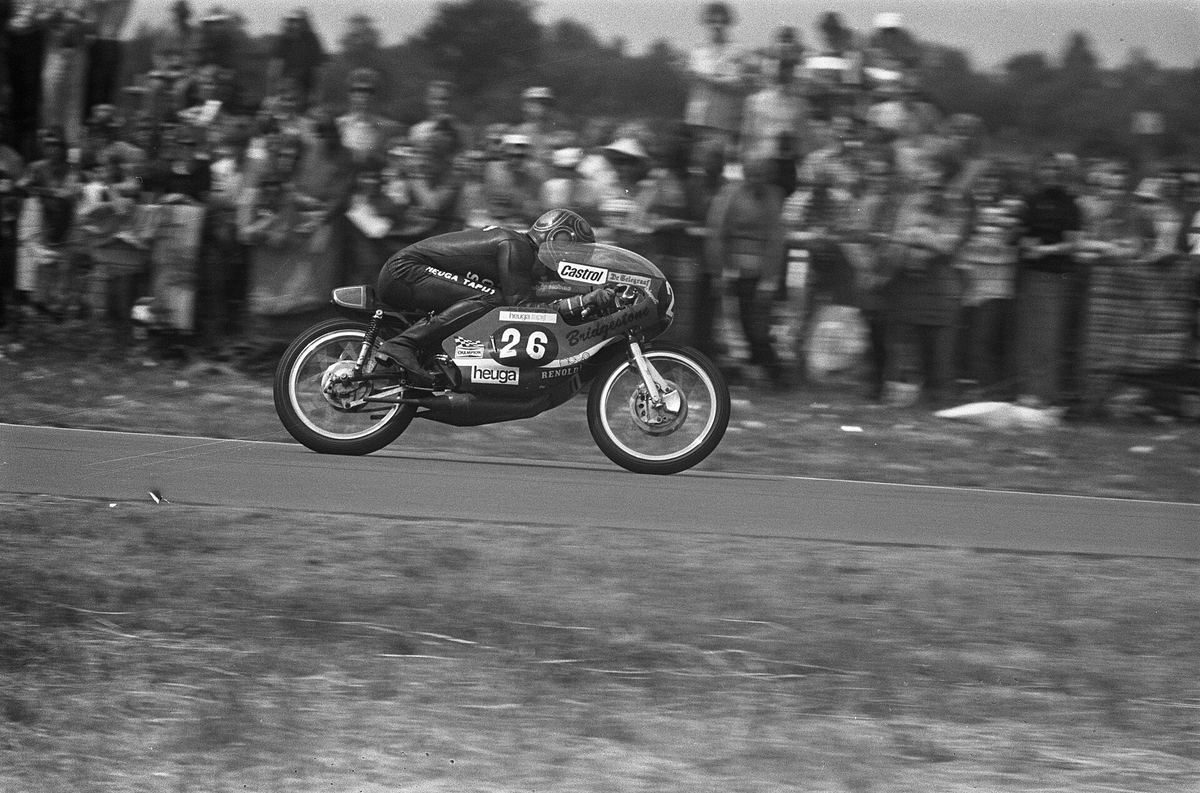
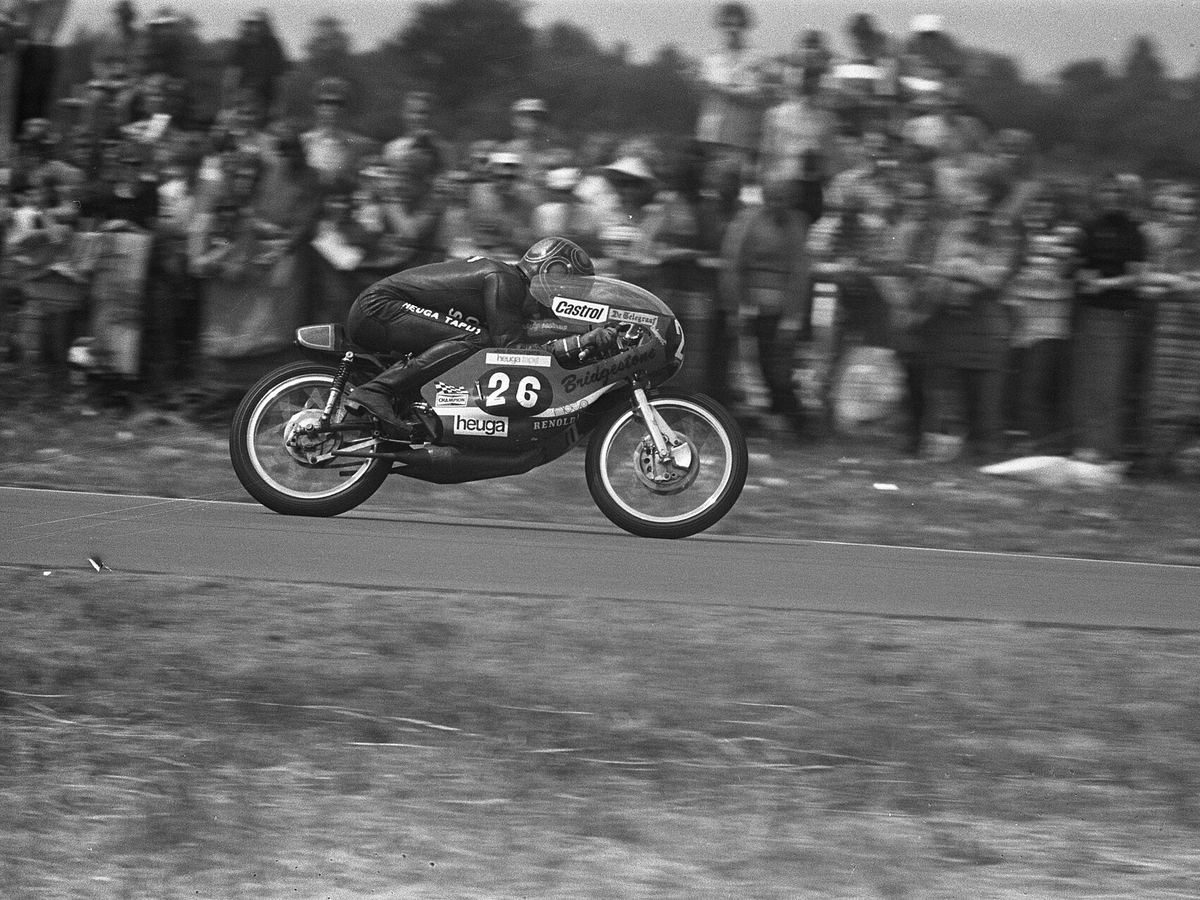
Andersson scored nothing at Spa, where the Dutchman Jos Schurgers won on a Bridgestone built from a road bike, or at Brno, where Buscherini gave the Malanca factory its first win in the class.
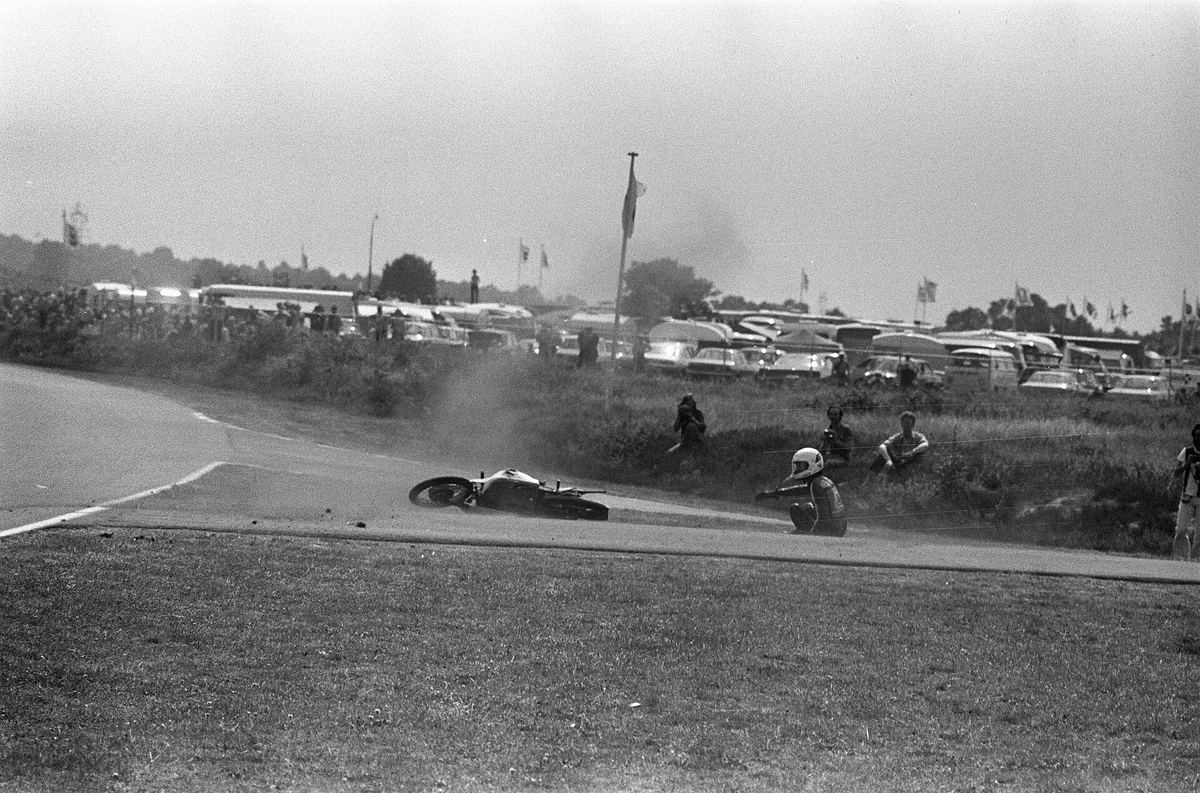
Then came Anderstorp, the second place behind Jansson, and the title. A week later he was second again at Imatra, behind Buscherini. Le Repaire des Motards reports that he rode the final round, at Jarama, with his leg in plaster; Mortimer won there. Andersson finished with 99 points to Mortimer's 75, and became Yamaha's third 125cc world champion after Bill Ivy in 1967 and Phil Read in 1968.
After the flag
Andersson defended the title in 1974, again with five wins: at Charade in France, the Salzburgring, where Nieto crashed on the last lap, Anderstorp, Brno and Opatija. The home win at Anderstorp came a year after the injured second place that had made him champion. Bruno Kneubühler finished second in the championship on 63 points and Nieto third on 60, against Andersson's 87.
By 1975 the opposition had changed. The Italian Morbidelli factory's disc-valve twin proved too fast for the piston-ported Yamaha. Its riders, Paolo Pileri and Pier Paolo Bianchi, were clearly quicker all season, and Pileri took the title. Andersson, now 33, won once more and finished third. Then he stopped.
He stayed with Yamaha, moving to the development department of Yamaha Motor Europe, and played a part in developing the three-cylinder 350 that Takazumi Katayama rode to the 1977 350cc world title. He never really stopped racing. He won the Swedish Supermono championship in 1995, aged 53, rode historic exhibition events with the Dutch Yamaha Classic Racing Team and worked as a commentator on Swedish Eurosport.
Kent Andersson died at home in Landvetter on 29 August 2006, aged 64. Speedweek noted on the tenth anniversary of his death that he had survived the dangerous racing years largely unscathed.
Why it still matters
Andersson started 90 Grands Prix, won 17 and finished on the podium 53 times. Speedweek put it simply in 2016: Scandinavia had produced only two solo world champions, Jarno Saarinen and Kent Andersson, and Andersson, with two titles, was the more successful of them.
He was a development rider as much as a racer. He helped turn Yamaha's air-cooled 125 into a world championship winner, and after he stopped racing he helped develop the 350 triple that won Katayama his title.
He did it on a bike that began as a road-going 125 twin, with simple piston-port induction, and when the disc-valve Morbidelli arrived in 1975 its time was up. But for two seasons, the white-suited Swede on the little Yamaha was the man to beat.
He became world champion in front of his home crowd, riding hurt, by finishing second. No other Swede has done it since.
Quick answers
Who was Kent Andersson?
Kent Andersson was a Swedish motorcycle racer, born in Landvetter in 1942, who raced in Grands Prix from 1966 to 1975. He won the 125cc world championship for Yamaha in 1973 and 1974 and remains the only Swede to have won a road racing world title.
How did Kent Andersson win the 1973 125cc world championship?
Andersson won the first five 125cc races he started in 1973, then broke his leg in a crash at Assen. He clinched the title at his home Grand Prix at Anderstorp on 22 July, finishing second to Börje Jansson while riding with a fractured foot.
What bike did Kent Andersson race in the 125cc class?
Andersson raced Yamaha's factory 125cc twin, the YZ623C of 1972, later designated YZR125 (0W15). It used a liquid-cooled, piston-port two-stroke engine developed from the AX125 road bike, with a six-speed gearbox and more than 32 PS at 14,200 rpm.
Who are the Scandinavian motorcycle world champions?
In solo Grand Prix road racing, Scandinavia's world champions are Finland's Jarno Saarinen, 250cc champion in 1972, and Sweden's Kent Andersson, 125cc champion in 1973 and 1974. Speedweek called Andersson the most successful Scandinavian solo rider in the world championship.