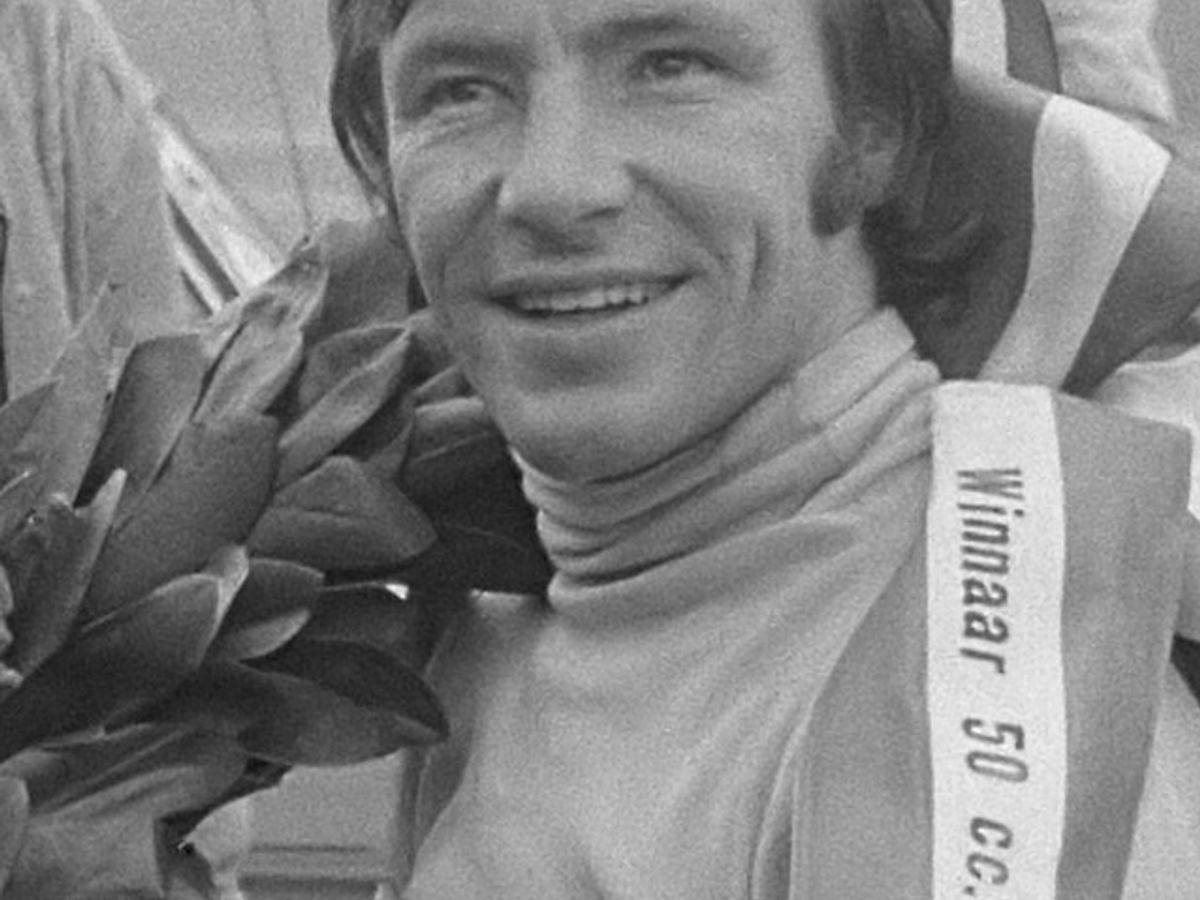
Jarno Saarinen in 1970, his first full season in the world championship.. Photo: V. K. Hietanen / Wikimedia Commons (CC BY-SA 4.0)
Daytona, March 1973. On the grid for the Daytona 200 are the factory 750s from Kawasaki and Suzuki, the biggest, fastest racing bikes in America. Jarno Saarinen, the reigning 250cc world champion, is riding a Yamaha TZ350, a production racer with less than half their engine size.
He leads by as much as 50 seconds, then eases off and still wins by 38 from his Yamaha team-mate Kel Carruthers. Saarinen becomes the first European to win the Daytona 200. A month later he does the same thing to the 750s at the Imola 200.
That spring the 27-year-old Finn looked unbeatable. He would win every 250cc and 500cc Grand Prix he finished in 1973. Ten weeks after Daytona, he was dead.
Who Jarno Saarinen was
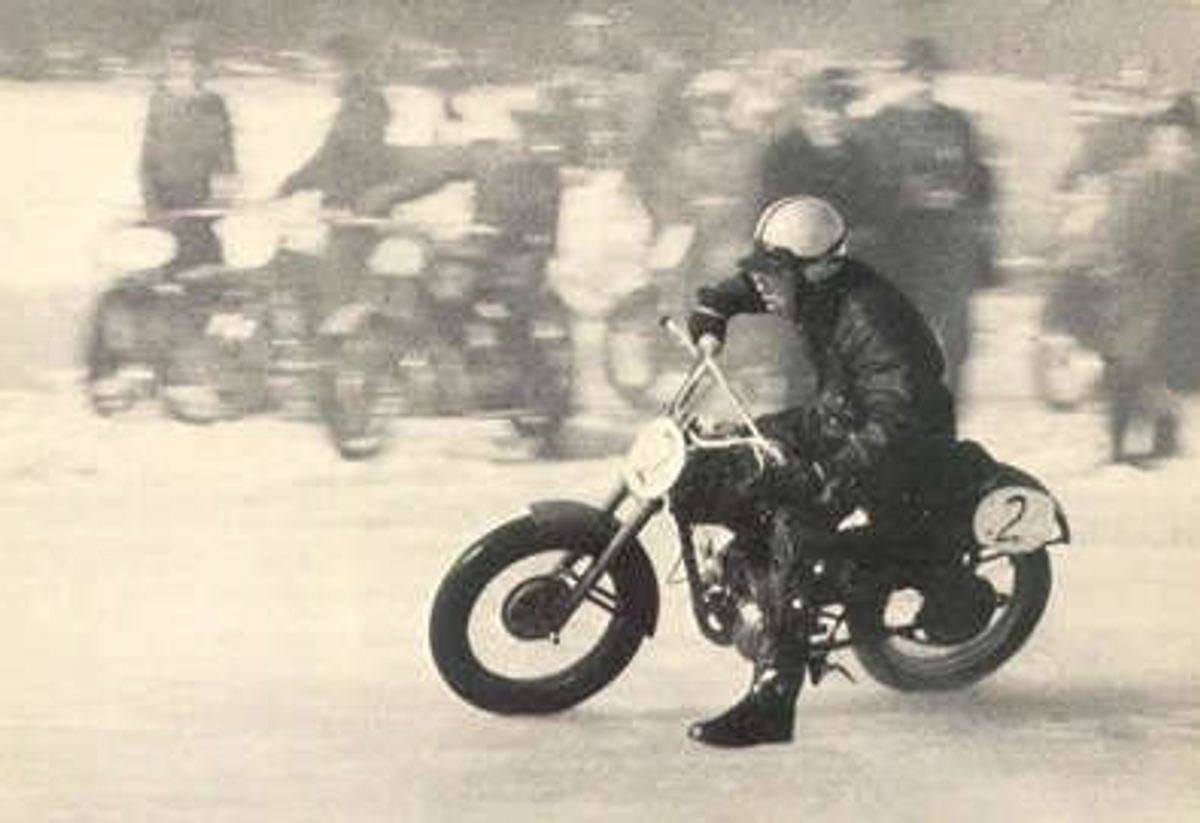
Jarno Saarinen was born in Turku, in south-west Finland, on 11 December 1945. Like many Finnish riders he started on ice. Ice racing is run on frozen tracks with spiked tyres, and it rewards a rider who can keep a sliding bike under control. Saarinen became Finnish 250cc ice racing champion in 1965 and also raced speedway.
Off the bike he was quiet and studious. He studied mechanical engineering in Turku and, according to Yamaha's own history, graduated with top marks. He also funded the start of his racing with bank loans meant for his studies, and he did his own mechanical work.
That double life showed in 1970, his first full season in the world championship. Saarinen finished fourth in the 250cc class despite missing races to sit his engineering exams.
Jarno Saarinen's 1972 world title
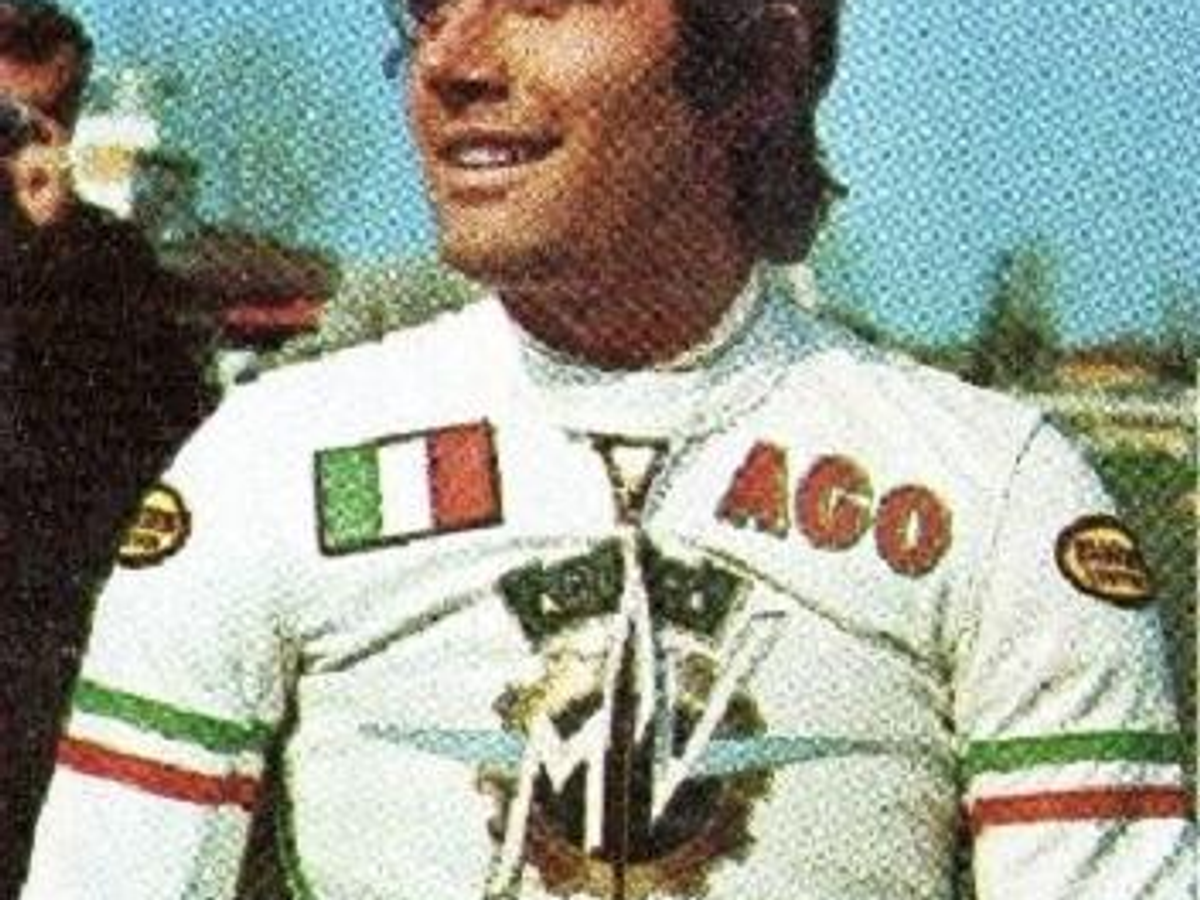
Jarno Saarinen's breakthrough came in 1971, riding Yamahas supplied by the Finnish importer Arwidson. He won his first Grand Prix in the 350cc class in Czechoslovakia and beat Giacomo Agostini twice that season, once at Monza in front of Agostini's home crowd. He finished second in the 350cc championship and third in the 250cc.
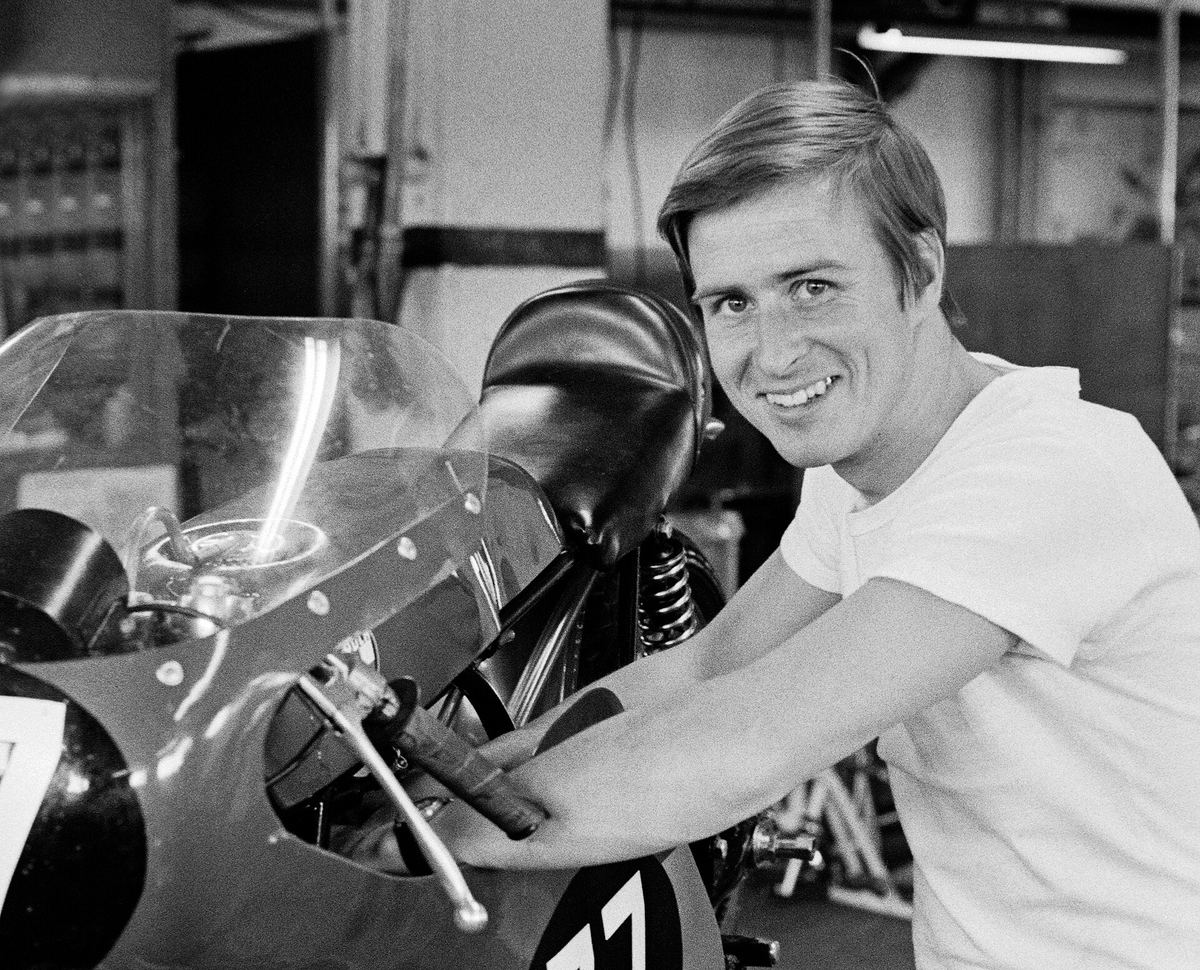
For 1972 Yamaha gave him factory support, and he won the 250cc world title on the Yamaha TD3. He clinched it on home soil at Imatra on 30 July 1972, winning the race with a round to spare. Renzo Pasolini finished the season one point behind him. Saarinen was also runner-up to Agostini in the 350cc class. Like a growing number of top riders, he refused to race the Isle of Man TT, which he considered too dangerous.
Late that year Saarinen raced at Ontario Motor Speedway in California. A young dirt-tracker from Modesto was watching how he slid the rear tyre through the turns. His name was Kenny Roberts.
Spring 1973: Daytona, Imola and the first Yamaha YZR500
Jarno Saarinen's 1973 season was meant to be a double assault. In February Yamaha announced a factory team for the 250cc and 500cc classes, with Saarinen as its lead rider alongside Hideo Kanaya.
He opened with Daytona and then the Imola 200, where he won both 100-mile legs on his 350, by more than 40 seconds in the first and 34 in the second. A New Zealand newspaper reported that the two wins alone earned him about $24,000 in prize money.
The world championship began at Paul Ricard on 22 April. Saarinen gave the Yamaha YZR500, the factory's first four-cylinder two-stroke 500cc Grand Prix bike, a winning debut. Agostini crashed trying to catch him, and Phil Read's MV Agusta finished 16 seconds behind.
He won the 500cc race again in the wet at the Salzburgring, 25 seconds clear of Kanaya. At Hockenheim a broken chain stopped him. In the 250cc class he won the first three rounds, in France, Austria and Germany, by 28, 13 and 22 seconds. He skipped the Isle of Man again and arrived at Monza for the Nations Grand Prix leading both championships.
Monza, 20 May 1973
Jarno Saarinen died on the first lap of the 250cc race at the 1973 Nations Grand Prix at Monza. Renzo Pasolini, his rival of the year before, fell at the Curva Grande, and Saarinen, right behind him, could not avoid the bike. The crash swept up a large part of the field. Saarinen and Pasolini were both killed and six other riders were injured.
The cause has never been settled. Early reports blamed oil left on the track from the previous race. Later accounts argued that Pasolini's engine seized and locked his rear wheel.
What is not disputed is the effect. The deaths of Saarinen and Pasolini, coming a year after Gilberto Parlotti was killed at the Isle of Man TT, fuelled riders' demands for safer circuits. Saarinen still finished the 1973 season fourth in the 250cc championship and seventh in the 500cc, from the handful of races he lived to ride.
What Jarno Saarinen left behind
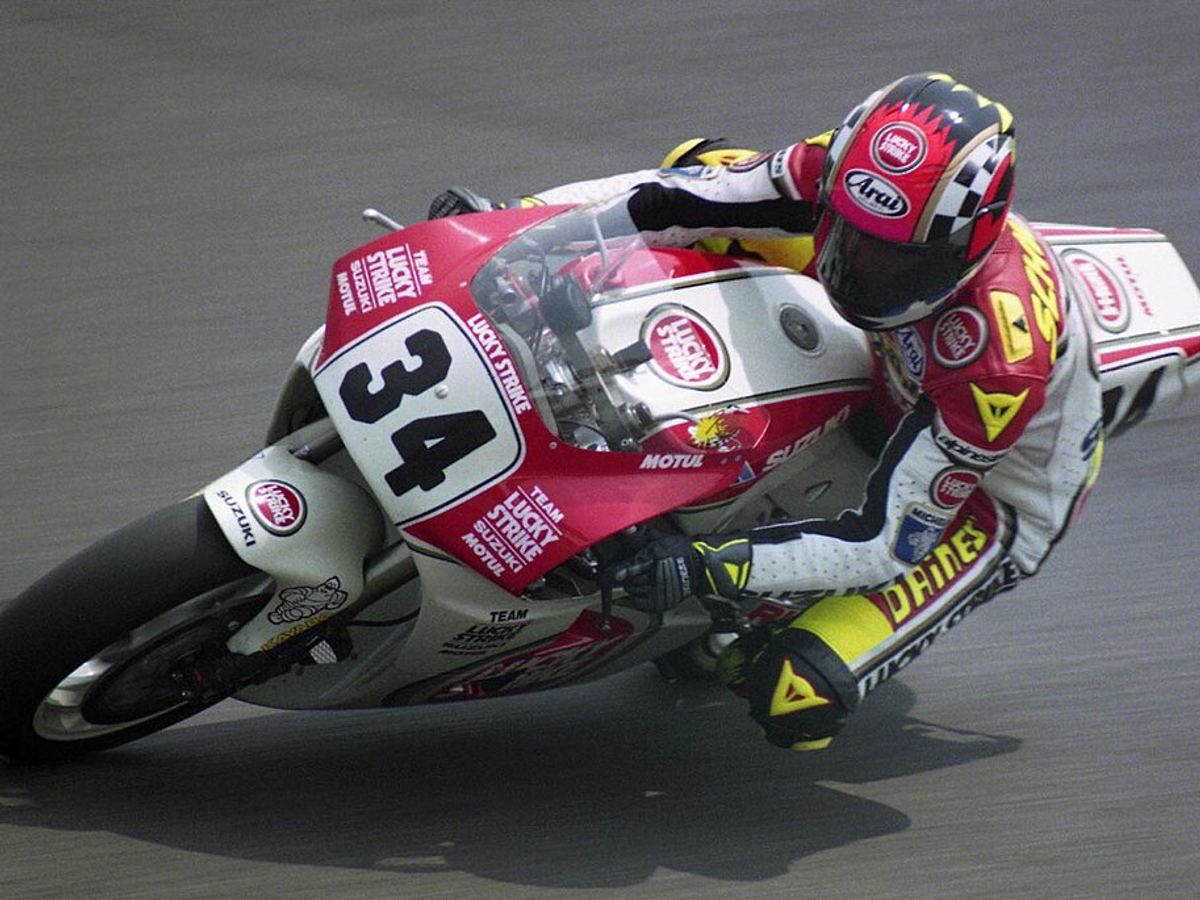
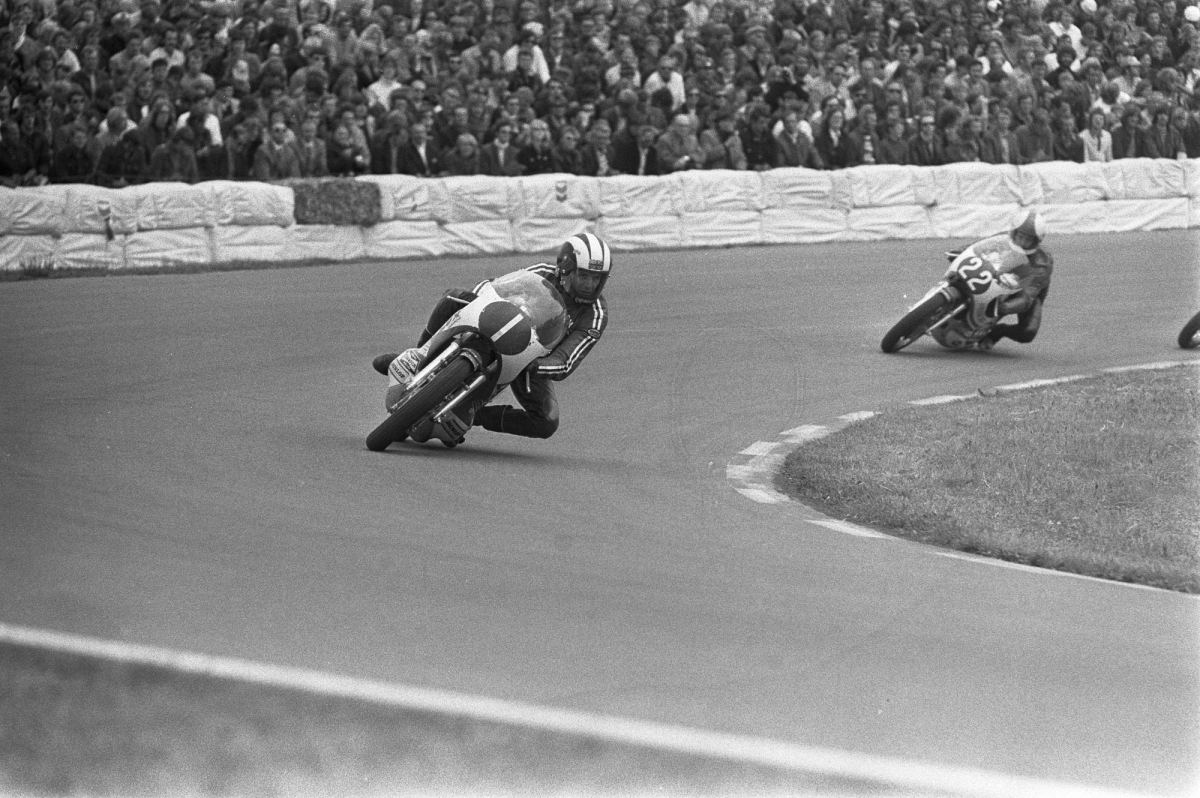
Jarno Saarinen changed the way road racers corner. Most riders of his era sat upright and kept the bike neat. Saarinen lay with his chest just above the tank, shifted his body to the inside of the turn and pushed his knee out, sliding the rear tyre the way he had learned on the ice. He even lowered and angled his clip-on handlebars to suit the position.
He is often credited with inventing the hanging-off style. The record is more modest: he was one of the first to use it consistently at Grand Prix level, and Kenny Roberts took it much further after watching him. Phil Read, who raced against him, put it simply: "he made me a better rider."
Saarinen was the first Finn to win a road racing world title. He was named a MotoGP Legend in 2009, at the Sachsenring. Italy still has a Saarinen fan club, and the Formula 1 driver Jarno Trulli was named after him. Turku has a statue of him.
He raced at world level for four seasons. Look at any MotoGP grid today, chests low and knees out, and you are looking at the Finn's homework.
Quick answers
How did Jarno Saarinen die?
Jarno Saarinen died on 20 May 1973 on the first lap of the 250cc Nations Grand Prix at Monza. Renzo Pasolini fell at the Curva Grande and Saarinen could not avoid him. Both were killed. The cause, oil on the track or an engine seizure, is still disputed.
What did Jarno Saarinen win?
Jarno Saarinen won the 1972 250cc world title for Yamaha and 15 Grands Prix in all. In 1973 he won the Daytona 200 and the Imola 200 on a 350, and the first two 500cc Grands Prix of the season on the new Yamaha YZR500.
Did Jarno Saarinen invent the knee-down riding style?
Jarno Saarinen was one of the first road racers to hang off the bike with his knee out, a style he brought from ice racing. He is often called its inventor, but it is more accurate to say he pioneered it at Grand Prix level. Kenny Roberts developed it further after watching him.
Who was the first European to win the Daytona 200?
Jarno Saarinen became the first European to win the Daytona 200 in March 1973. He rode a 350cc Yamaha TZ350 against factory 750s and won by 38 seconds from his team-mate Kel Carruthers.