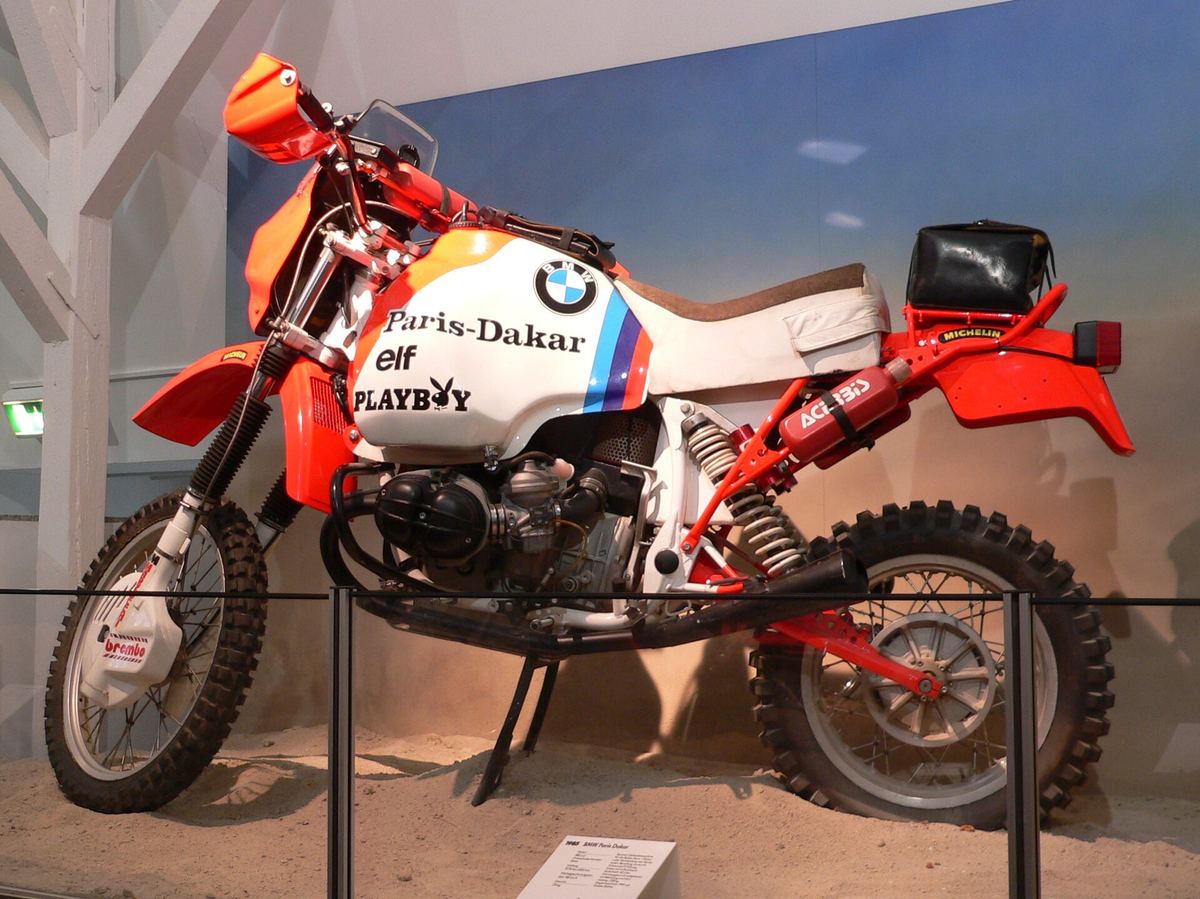
The BMW on which Gaston Rahier won the 1985 Paris-Dakar, at the Deutsches Zweirad- und NSU-Museum in Germany.. Photo: Joachim Köhler / Wikimedia Commons (CC BY-SA 3.0)
The 1984 Paris-Dakar finished on 20 January, after 20 days, about 7,000 miles and eight countries. Gaston Rahier reached Dakar first. He was about 20 minutes ahead of the man in second place, and more than three hours ahead of everyone else, Cycle World reported.
The man in second place was Hubert Auriol, his own BMW teammate and the winner in 1981 and 1983. They had not got on. During the rally Rahier complained publicly that the mechanics were favouring Auriol's bike, and afterwards Auriol accused Rahier of following in his tracks and letting Auriol find the way for both of them, according to Moto-Net. Auriol left BMW for Cagiva.
Rahier had won on a 1,000cc flat-twin, against 600cc singles from Honda and Yamaha. He was a former 125cc motocross world champion, and by different accounts he stood between about 5ft 1in and 1.64m. He had to climb off the BMW every time it stopped, Motor Sport says. A year later he won again.
Gaston Rahier: the 125cc world champion
Rahier was born in Belgium in 1947. He learned his trade in the Belgian motocross championship, which Moto-Net calls the most competitive in the world at the time. Friends called him Gastounet, for his good humour.
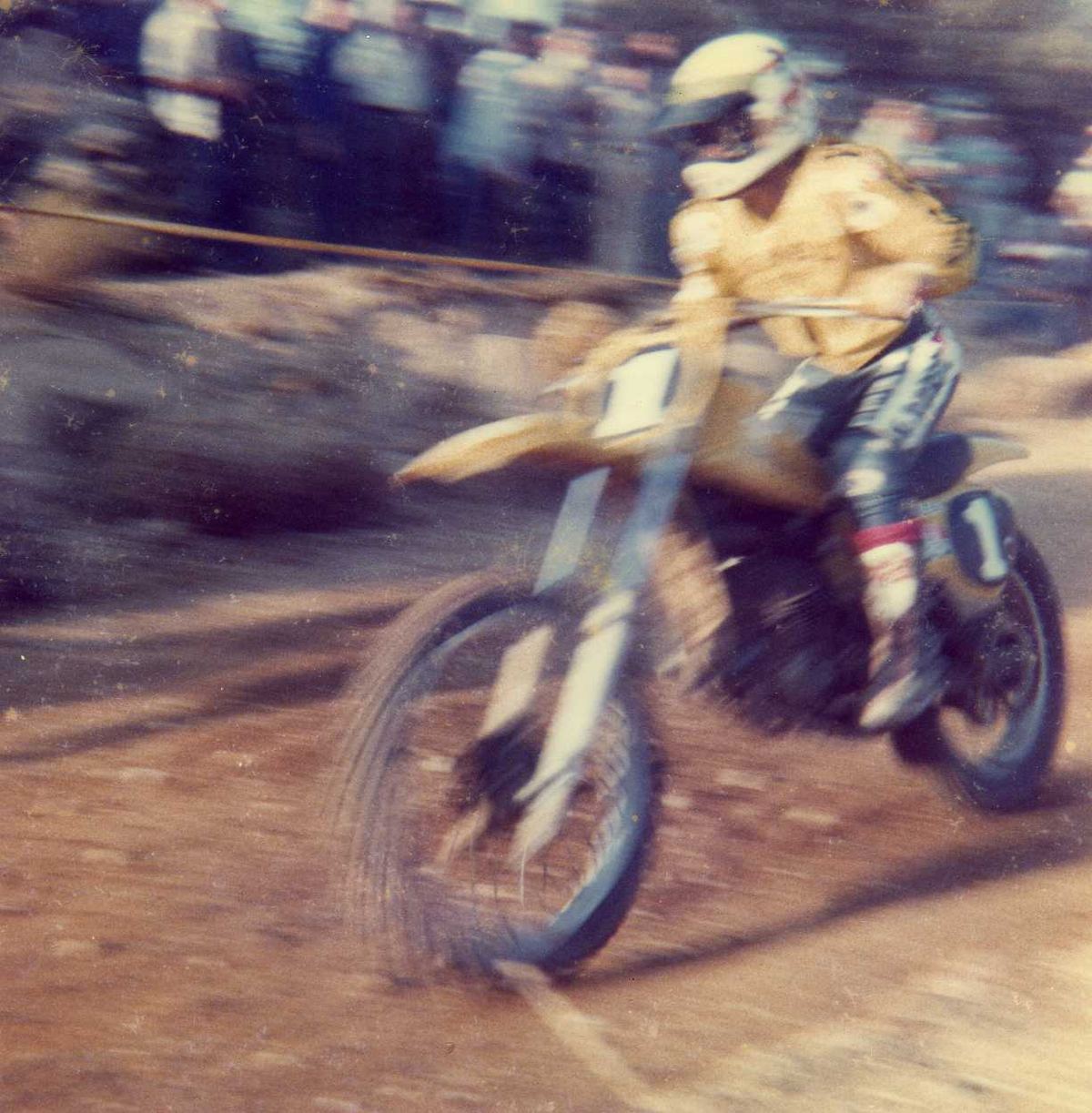
In 1975 the 125cc class became a world championship, and Rahier won it on a Suzuki. He won again in 1976 and 1977. His 29 Grand Prix wins in the 125cc class were a record, Moto-Net says, and he was part of the Belgian team that won the Motocross des Nations.
On a 125 he made up for his size with a clean, precise riding technique that earned other riders' respect, Moto-Net says. A serious accident in 1981 ended his motocross career; Motor Sport says it was a hand injury.
By then the Paris-Dakar was the new adventure in off-road racing. Thierry Sabine had dreamed it up after getting lost in the Libyan desert on a Yamaha XT500 in 1977, Hagerty says, and the first edition started in Paris at the end of 1978. Neveu won it for Yamaha in 1979 and 1980 and for Honda in 1982. BMW won it in 1981 and 1983, and in 1983 it gave Rahier a ride.
1983–84: a motocrosser on a boxer
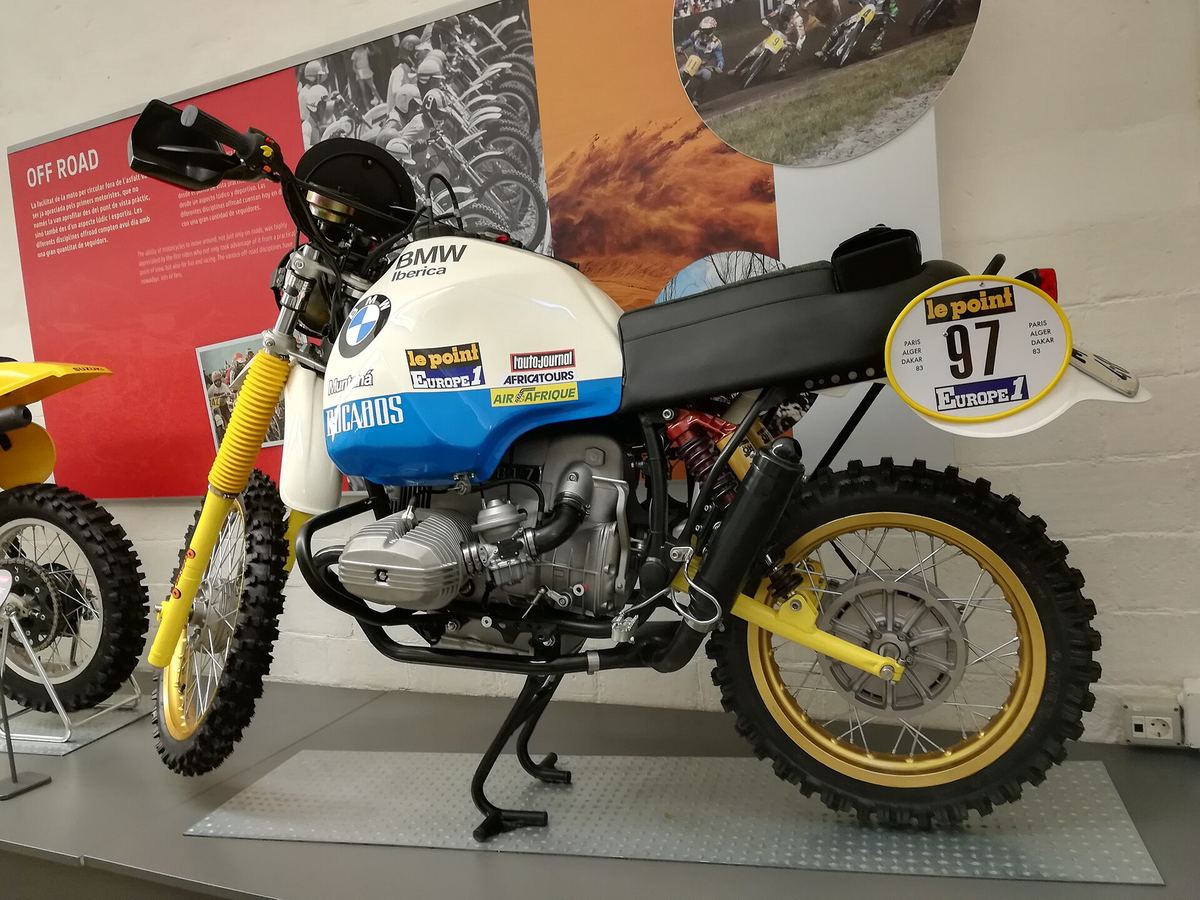
BMW had won the Paris-Dakar with Auriol in 1981. For 1983 it entered five official riders: Auriol, Fenouil, Raymond Loizeaux, Herbert Schek and Rahier. In Algeria Rahier was the fastest rider in the rough sections, Cycle World's Patrick Behar wrote, until a rock smashed his engine case and he retired. Auriol won.
In 1984 BMW came back with three works riders, Auriol, Rahier and Loizeaux, on bikes prepared by HPN in Austria, according to the MicaPeak BMW rally archive; BMW's own history credits Herbert Schek with building them. MicaPeak says the engine was 1,015cc and made just under 75hp, and the bike weighed 145kg with empty tanks. BMW's support effort included trucks, cars and an aeroplane, and cost a reported $350,000.
The route helped. Political trouble in Algeria and elsewhere forced organiser Thierry Sabine to change the course after the start, and the changes removed many of the tight sections, Behar wrote. That favoured the fast BMWs over the 600cc single-cylinder Hondas and Yamahas. When Auriol had a mechanical problem, Loizeaux stopped to help him and lost three hours.
Rahier won in 54 hours, 19 minutes and 56 seconds, with Auriol 20 minutes behind and Philippe Vassard's Honda third. BMW won the team prize for the sixth year running. The Honda rider Cyril Neveu, a three-time winner, drew his own conclusion.
1985: the lone BMW
For 1985 the team ran in Marlboro colours with three riders: Rahier, Loizeaux and Eddy Hau. The rally started with a prologue at Cergy-Pontoise on 30 December 1984 and crossed Algeria, Niger and Mali to Mauritania and Senegal, through Tamanrasset, Agadez and Timbuktu, the MicaPeak archive records.
It went wrong early. Loizeaux fell and hit his head on 4 January and was out. Hau fell and hurt his arm on 6 January. Rahier was left as BMW's only rider. Later a sandstorm forced the organisers to change the planned stages in Mauritania.
His bike was not in good shape either. In a pre-race media appearance he crashed it heavily, Jalopnik reported in 2020, drawing on a BMW documentary series. The team had no spare chassis, so it rebuilt the bent one, and the bike left two tyre tracks in the sand instead of one. It needed extensive repairs at every bivouac. HPN still keeps a "crooked swinging arm" from Rahier in its warehouse; co-founder Klaus Pepperl calls it "a beautiful monument of the Paris-Dakar."
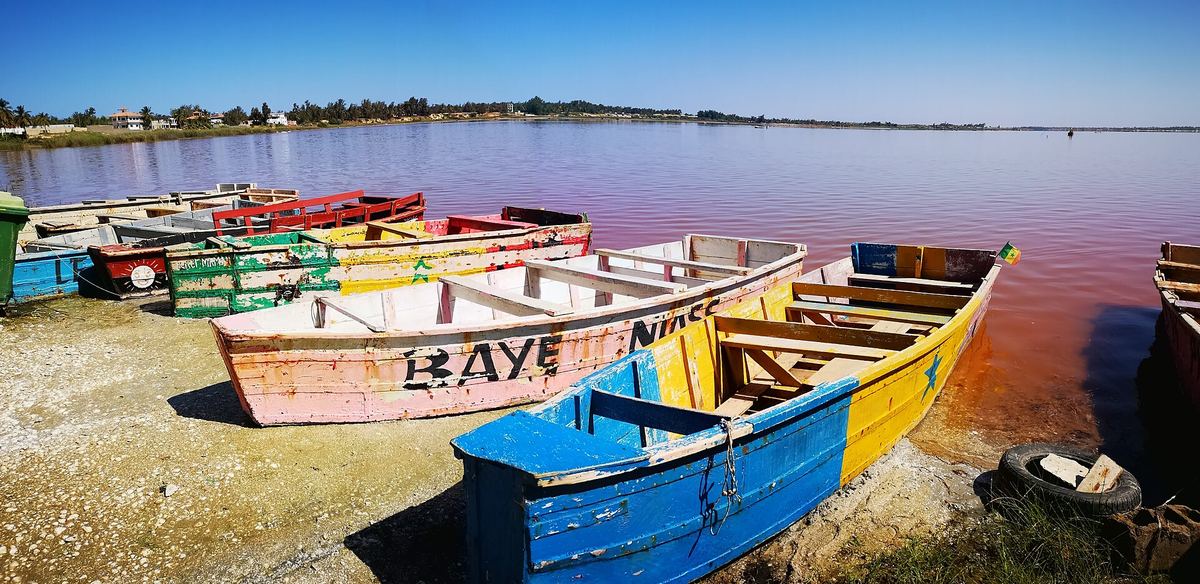
Rahier won in 88 hours, 45 minutes and 1 second. Jean-Claude Olivier was second on a Yamaha, about 57 minutes behind, and Franco Picco third on another Yamaha. Only 24 bikes reached the beach at Dakar. Rahier crossed the line first at the final leg on Lac Rose, BMW says, and later called it "the toughest race of my life."
What it took to win on a twin
It took speed. The boxer was heavier than the 600cc singles from Honda and Yamaha, Behar wrote in 1984, but it carried its fuel lower, had a lower centre of gravity and a higher top speed. The singles were lighter and more nimble in slow, rocky sections. A range of about 500 miles was considered necessary, which meant enormous tanks.
It took preparation. "I always said: a race is won in the preparation," said Dietmar Beinhauer, BMW's motorsports director. And it took a rider who could manage a heavy bike he could not touch the ground from. Cycle World later put the price of BMW's mid-1980s desert racer at about $70,000.
There was a prize for winning twice. In 1983 Thierry Sabine and Cartier's president Alain Dominique Perrin set up the Cartier Challenge: a bespoke watch for anyone who won the same Paris-Dakar category two years in a row. Rahier was the only one to win it, Motor Sport says.
Why it still matters
Rahier went for a third win in 1986. On the seventh stage he crashed, cracking six ribs and breaking a collarbone, and kept riding with acupuncture after each day, Hagerty says. Two punctures and a gearbox problem cost him a 10-hour penalty, so he won the last three stages instead. Thierry Sabine died in a helicopter crash during that rally.
When BMW stopped rally-raids, Rahier ran his own Suzuki team with DR800 singles and won the 1988 Rallye des Pharaons, Moto-Net says. He raced at the 1987 Le Mans 24 Hours and retired from racing in 2000, according to Motor Sport. He died of cancer in Paris in February 2005, aged 58.
Neveu's warning came true: in 1987 he won on a Honda NXR750 V-twin, Cycle World reported. The Paris-Dakar had started with Sabine lost in the Libyan desert on an XT500. Eight years later a 125cc champion had won it twice on a 1,000cc twin.
He is still remembered. In 2016 BMW showed a Concept Lac Rose, which it describes as an homage to his 1985 winner. And his family put his Cartier watch, the only one ever awarded, up for auction at Sotheby's with an estimate of €200,000 to €400,000, Motor Sport reported.
Quick answers
Who was Gaston Rahier?
Gaston Rahier (1947–2005) was a Belgian motorcycle racer. He won the 125cc motocross world championship for Suzuki in 1975, 1976 and 1977, the first three years of the class, and then won the Paris-Dakar Rally in 1984 and 1985 on factory BMW flat-twins.
How many times did Gaston Rahier win the Dakar?
Gaston Rahier won the Paris-Dakar motorcycle category twice, in 1984 and 1985, both times on a BMW. In 1984 he beat his teammate Hubert Auriol by about 20 minutes; in 1985 he was BMW's only finisher and beat Jean-Claude Olivier's Yamaha by about 57 minutes.
What bike did Gaston Rahier ride in the Paris-Dakar?
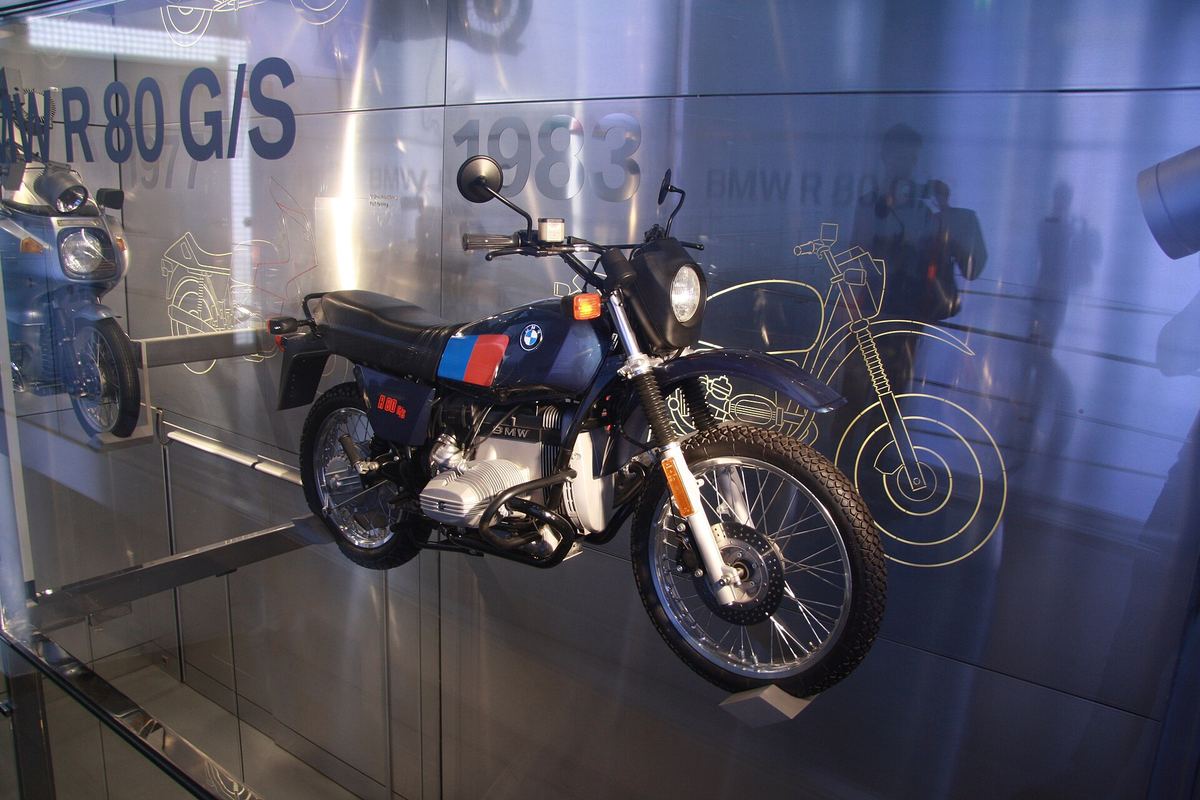
Rahier rode works BMW GS 1000 rally bikes based on the R80 G/S. His 1985 bike, prepared by HPN in Austria, had an air-cooled flat-twin of about 1,000cc making 70hp to 75hp, a 50-litre tank plus 10 litres under the seat, and weighed 170kg empty.
How tall was Gaston Rahier?
Sources differ. Moto-Net gives Gaston Rahier's height as 1.64m, while Motor Sport describes him as about 5ft 1in. Either way he was short for a 1,000cc rally bike, and Motor Sport says he had to climb off his BMW at every stop.