Ossa MAR: the Spanish trials bike Mick Andrews built to win three Scottish Six Days in a row
A Barcelona film-projector company and a rider from Derbyshire built the Ossa MAR. Mick Andrews won the Scottish Six Days Trial on its prototypes in 1970, 1971 and 1972, and the replica is still ridden today.
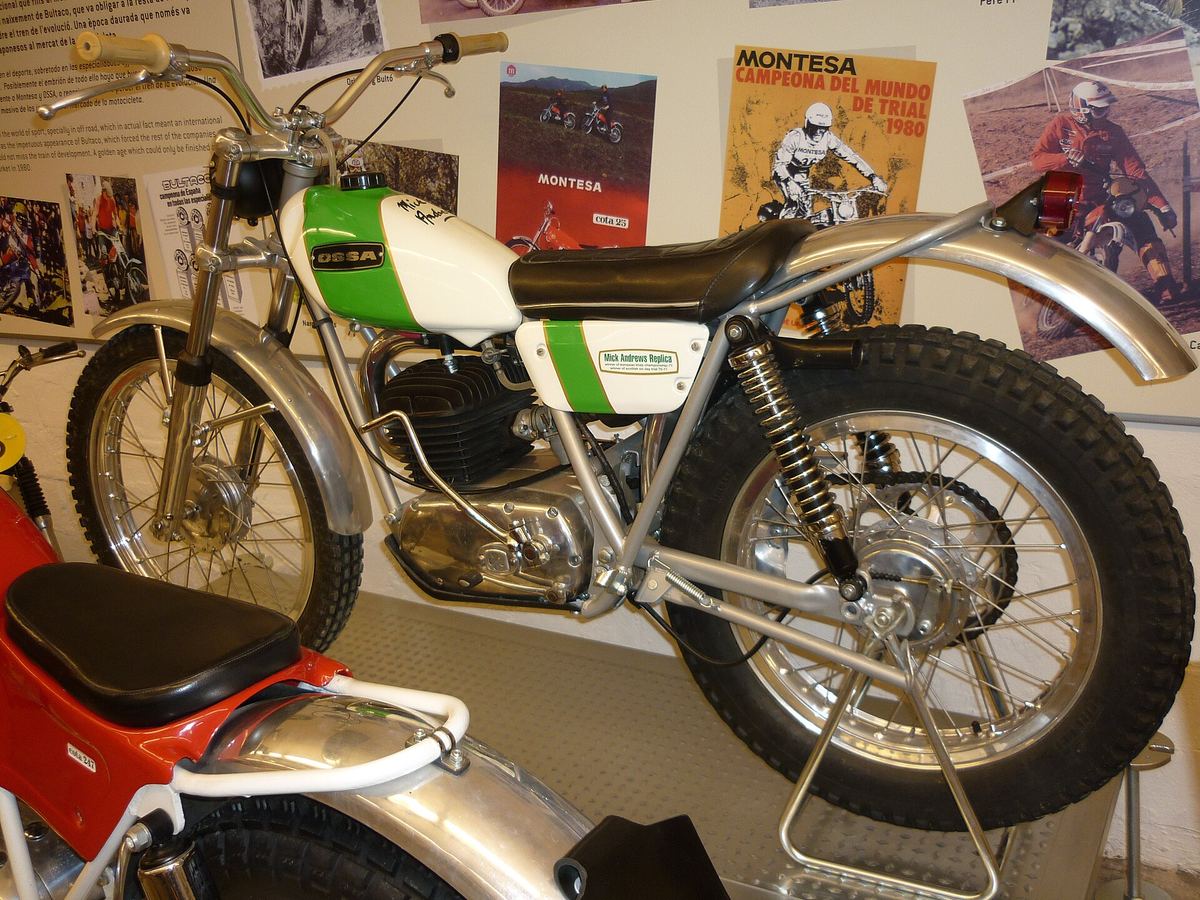
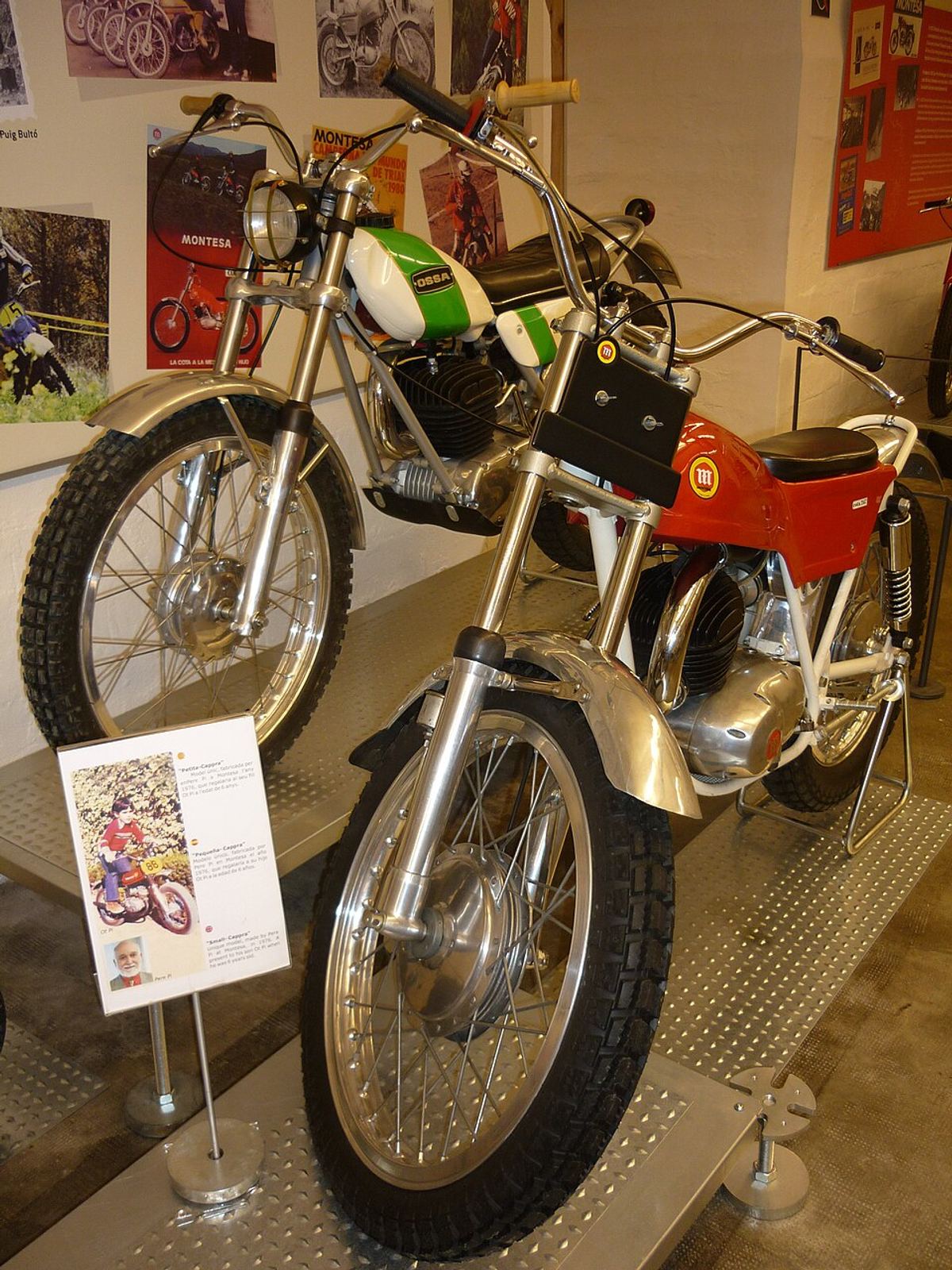
A 1972 Ossa MAR 250, the Mick Andrews Replica, at the Museu de la Moto de Barcelona.. Photo: Peprovira / Wikimedia Commons (CC BY-SA 3.0)
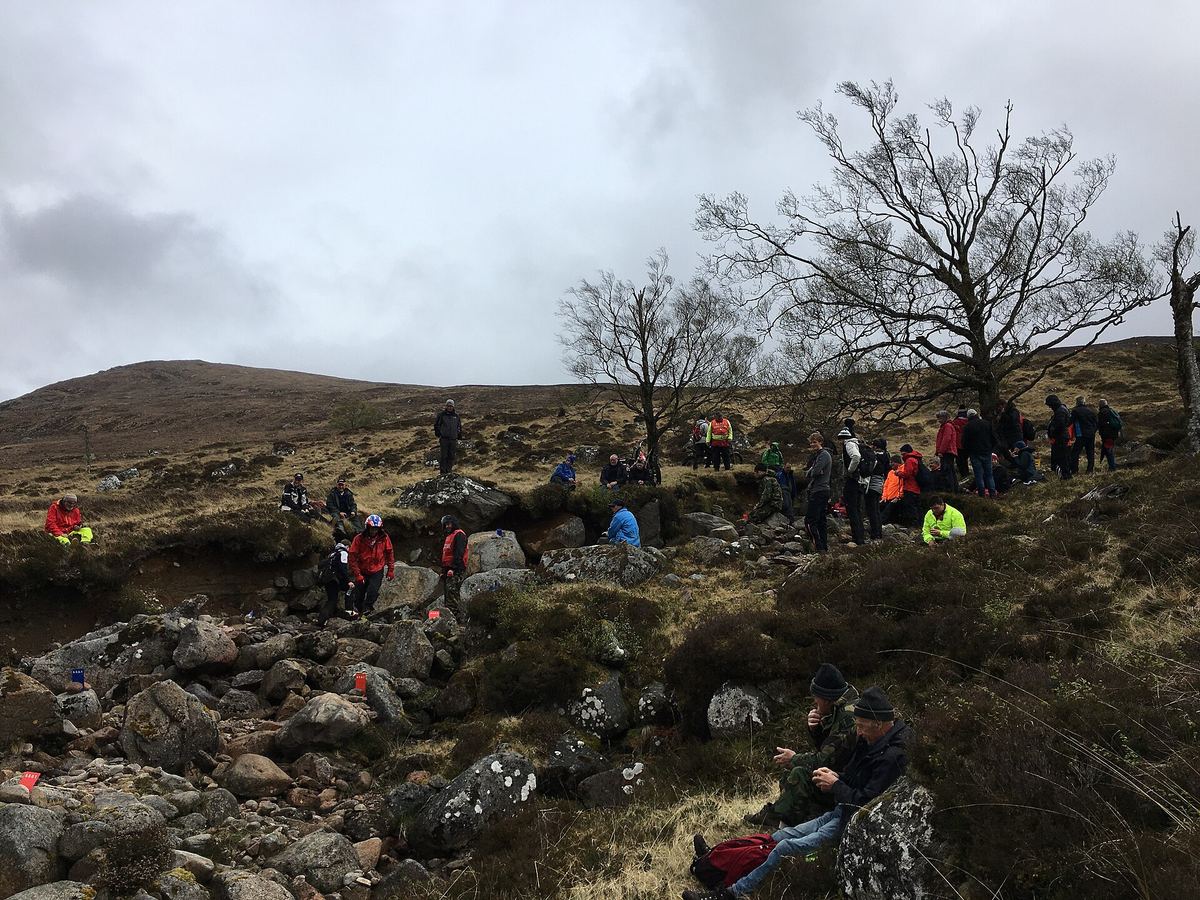
On the last day of the 1970 Scottish Six Days Trial, the result came down to a rock climb called Pipeline. Mick Andrews, on the factory Ossa that became the Ossa MAR, led by five marks. Sammy Miller was chasing him on a Bultaco.
Pipeline was straight, loose and tricky. Miller put a foot down twice there and lost six marks. Andrews lost three. Further on, at Martuim, only the two of them were clean, Cycle World's B. R. Nicholls reported. Andrews won the trial on 26 marks. Rob Edwards on a Montesa was second with 31, and Miller third with 34.
Andrews was 25. It was his first win in the Six Days, and the first of three in a row on Ossas he had helped design. The bike that came out of those wins, the Ossa MAR, short for Mick Andrews Replica, is still ridden in classic trials around the world.
Ossa MAR: a film-projector company's trials bike
OSSA stood for Orpheo Sincronic Sociedad Anónima. Manuel Giró founded it in Barcelona in 1924 to build film projectors, which is why its badge looks like a projector mechanism, according to the National Motorcycle Museum in Iowa. Its first motorcycle, a 125cc two-stroke built at its factory near Barcelona, went on sale in 1949, and thousands were sold, according to Motorcycle Classics.
Manuel's son Eduardo designed and built a two-stroke engine while still at school, Classic Dirt Bike says. By 1965 he was Ossa's director of development. He argued that international racing was the best way to win export sales, Motorcycle Classics reports, and Ossa went racing on road and dirt.
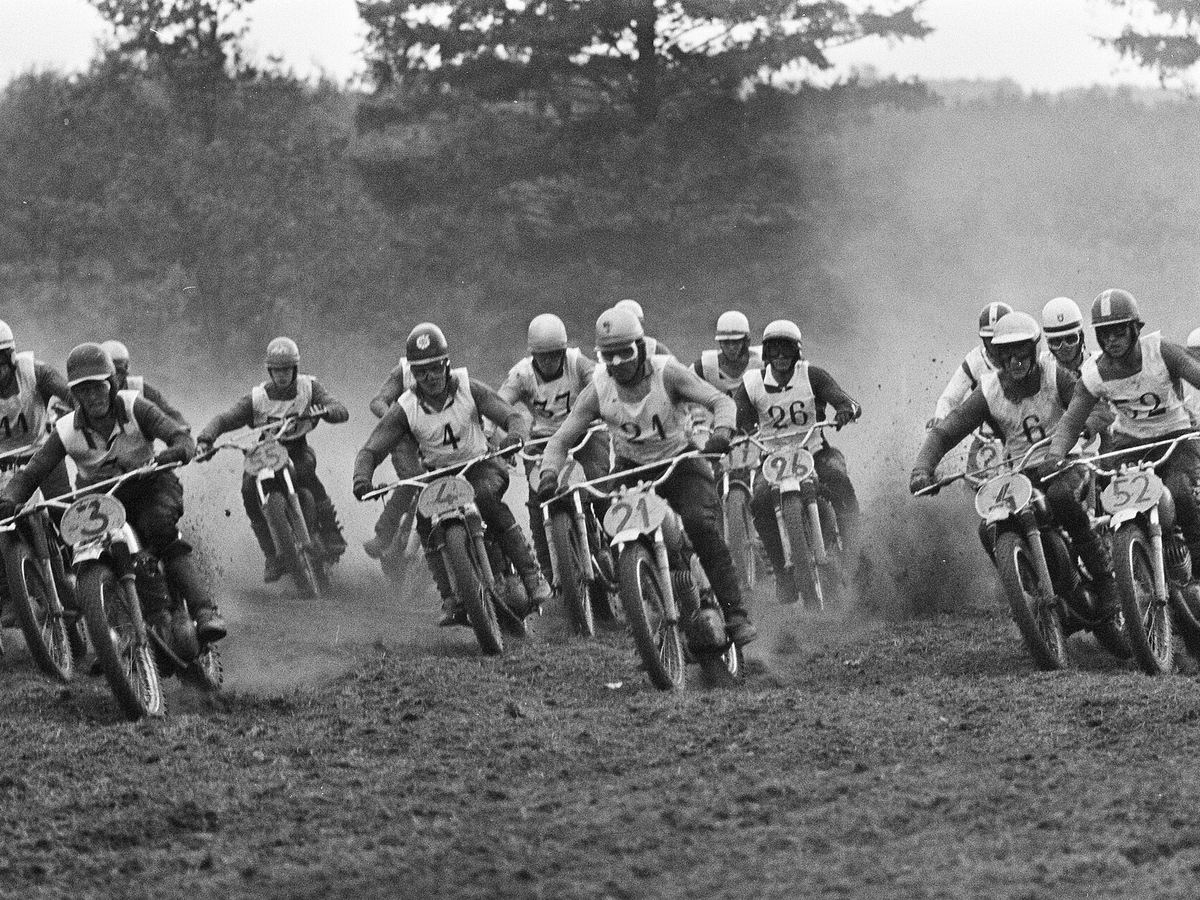
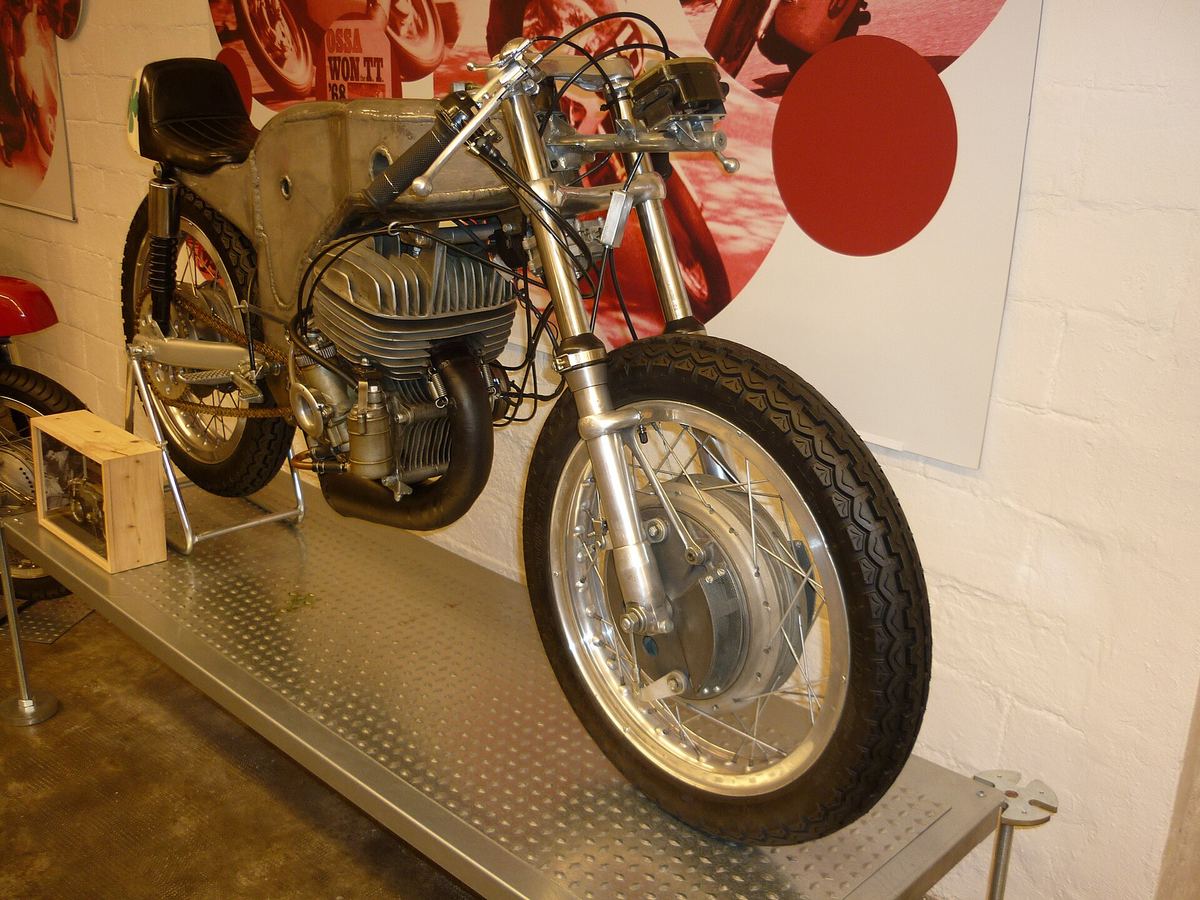
On the road the star was Santiago Herrero, on a 250cc Ossa with a monocoque frame. In 1970 he arrived at the Isle of Man TT leading the 250cc world championship. On the last lap of the race he crashed at the 13th milestone, and he died of his injuries two days later. "As a result, Ossa has retired from road racing," Nicholls wrote. From then on, Ossa's competition effort went into the dirt.
Mick Andrews joins Ossa
Andrews was born in Elton, Derbyshire, in 1944. He started at 15 on a road bike in the fields. "I got a rigid James, 40 pounds it cost, and with it I competed with the top," he said in a 1970 interview, quoted by Cycle News.
In 1961 AJS's competition manager Hugh Viney, himself a three-time Six Days winner, gave him a factory ride. That year Andrews beat Sammy Miller. He rode his first Scottish Six Days in 1962 on a 350cc AJS four-stroke, and finished second in 1963 and 1964 and third in 1965 and 1966, according to Classic Trial.
When AJS's parent company collapsed he rode Bultacos, then Ossa asked him to develop a scrambler, Classic Dirt Bike says. "Two-strokes were far superior from the start," he told Cycle News. He signed for Ossa in 1967, with help from the British importer Eric Houseley, according to Trials Guru, and worked at Houseley's business in Clay Cross while he turned the Ossa into a proper trials machine.
The first attempt did not go well. At the 1967 Scottish Six Days he retired the prototype with rear-wheel trouble. In 1968 he was third on a factory development 250, and in 1969 second.
1970–72: three Scottish wins
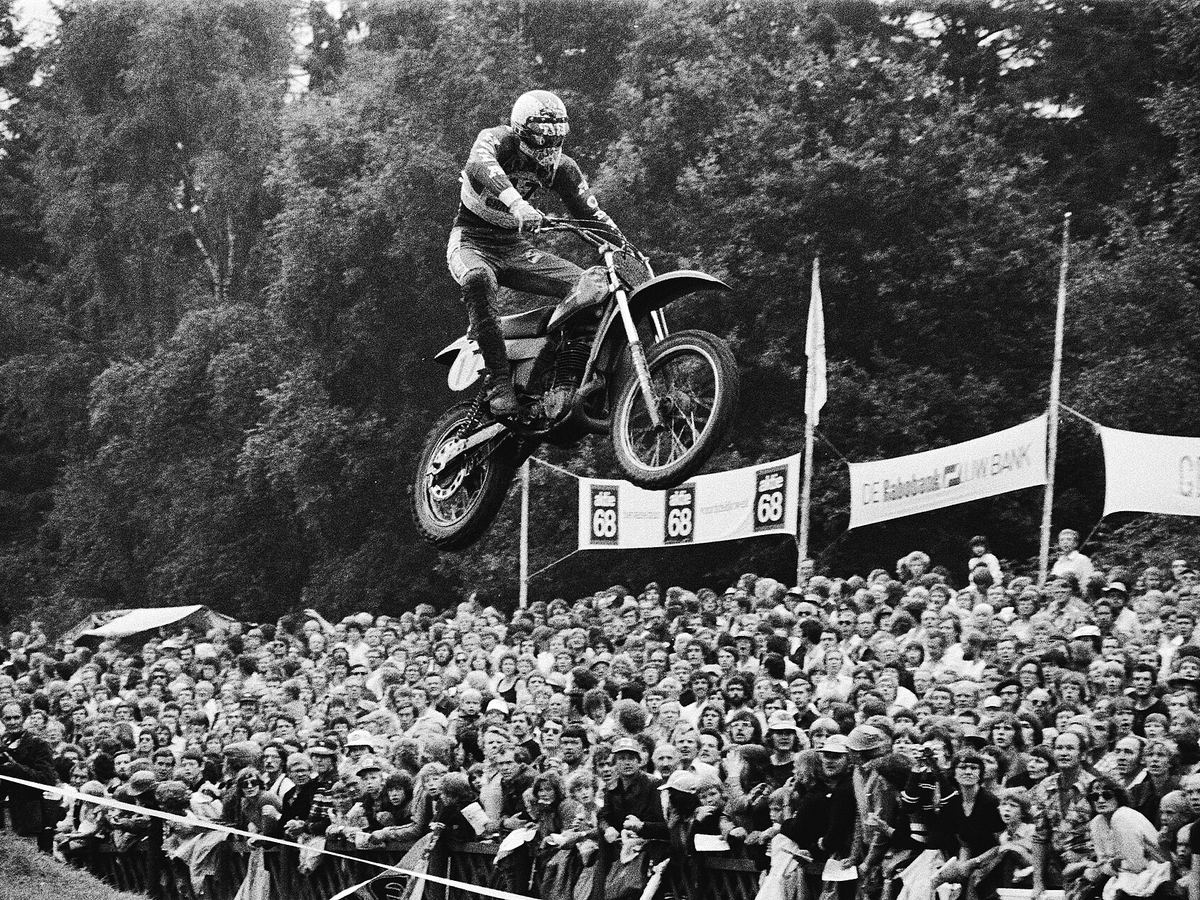
The 1970 trial started at Slateford Cattle Market in Edinburgh on 4 May, with 210 entries, and was based around Fort William. The first day alone covered 150 miles and 28 sections on the way north, and after it only six marks separated the top 12 riders. It stayed close all week. On the third day the riders faced the 15 sections of the Loch Eild Path and the boulders of Edramucky, where Rathmell was the only rider to go clean. Rannoch Moor's bog swallowed engines the same day. Edwards drowned his and took an 11-mark time penalty, and Bob Ewing said riding there was like "riding in a greased bath tub." On the fourth day Miller led on 18 marks, with Andrews five behind. On the fifth, at the loose climb of Laggan Locks, Andrews lost three and took a five-mark lead into the last day. After the win he was dubbed "Monarch of the Glen", Classic Trial recalls. Another Ossa rider, Dave Thorpe, finished seventh and was the best private owner.
He won again in 1971, on 38 marks against 49 for Farley's Montesa and Malcolm Rathmell's Bultaco. In 1972 he made it three, on 49 marks, ahead of Lampkin's Bultaco on 58 and Edwards's Montesa on 60, according to Jim McColm's results archive. Every time, the bike was a 250 Ossa. He also won the European Trials Championship, the forerunner of the world championship, in 1971 and 1972.
The bike was not built for Scotland. "Ossa had a pretty short wheelbase for the time and while fine for normal trials," Andrews told Classic Dirt Bike, it was less happy on the long Scottish sections. Ossa turned down a longer swinging arm, so he pushed the rear wheel as far back in the adjuster slots as it would go.
What it took to sell a replica
The wins sold the bike. Ossa built a production machine that closely matched what Andrews rode, Classic Dirt Bike says, and named it after him. Motorcycle Classics and the National Motorcycle Museum date the first MARs to 1971. Trials Guru says 1972, and Ed Sass's owners' club page explains the gap: launch was planned for 1971, but a flood at the Barcelona factory pushed it back to 1972.
It was light, about 197lb dry by one count, with a 244cc two-stroke engine. Trials bikes need torquey engines, high ground clearance and very little weight, the National Motorcycle Museum notes, and the MAR had all three. It wore Ossa's green and white, with Andrews's name on the side panel.
Its rivals were Spanish too. Montesa had the Cota and Bultaco the Sherpa, and all three makers had long histories of building trials bikes, the National Motorcycle Museum notes. In Britain, dealer Bob Gollner and frame builder Mick Whitlock later sold a kit with the longer swinging arm Andrews had asked for.
Why it still matters
Andrews left in 1973 to develop Yamaha's TY trials bikes, a move that "did not go down well with the partisan Spanish trials fans," Trials Guru says. At Yamaha he had the footrests moved 16 times during testing, Cycle News reports. He came back to Ossa later in the decade and rode one in the 1979 Six Days, finishing ninth.
Ossa itself did not last much longer. Cheaper Japanese bikes cut into its sales, and in 1977 the whole Barcelona workforce walked out, Motorcycle Classics says. It stopped building motorcycles in 1982. In 2010 a group of Spanish businessmen bought the name and patents and went back to building off-road bikes.
The MAR outlived the factory. Cycle News calls it a well-known machine still used in vintage competition worldwide. For three years in the early 1970s, the winner of the Scottish Six Days rode a Spanish bike built by a company that started out making film projectors, and he had designed much of it himself.
Quick answers
What does MAR stand for on the Ossa MAR?
MAR stands for Mick Andrews Replica. Ossa named its 250cc trials bike after the British rider Mick Andrews, who helped design the factory prototypes on which he won the Scottish Six Days Trial in 1970, 1971 and 1972 and the European Trials Championship in 1971 and 1972.
When was the Ossa MAR made?
Sources differ on the start. Motorcycle Classics and the National Motorcycle Museum date the first Ossa MAR to 1971; Trials Guru says 1972, and one owners' club account says a flood at the Barcelona factory delayed the planned 1971 launch. Production continued until 1978.
How many Scottish Six Days Trials did Mick Andrews win on an Ossa?
Mick Andrews won three Scottish Six Days Trials in a row on 250cc Ossas: 1970 on 26 marks, 1971 on 38 and 1972 on 49. In 1970 he beat Rob Edwards's Montesa and Sammy Miller's Bultaco after taking the lead on the fifth day.
What engine does the Ossa MAR have?
The Ossa MAR has an air-cooled 244cc single-cylinder two-stroke engine with piston-port induction and a bore and stroke of 72mm by 60mm. One owners' club lists about 19hp at 6,500rpm with a five-speed gearbox, and a dry weight of 197lb.