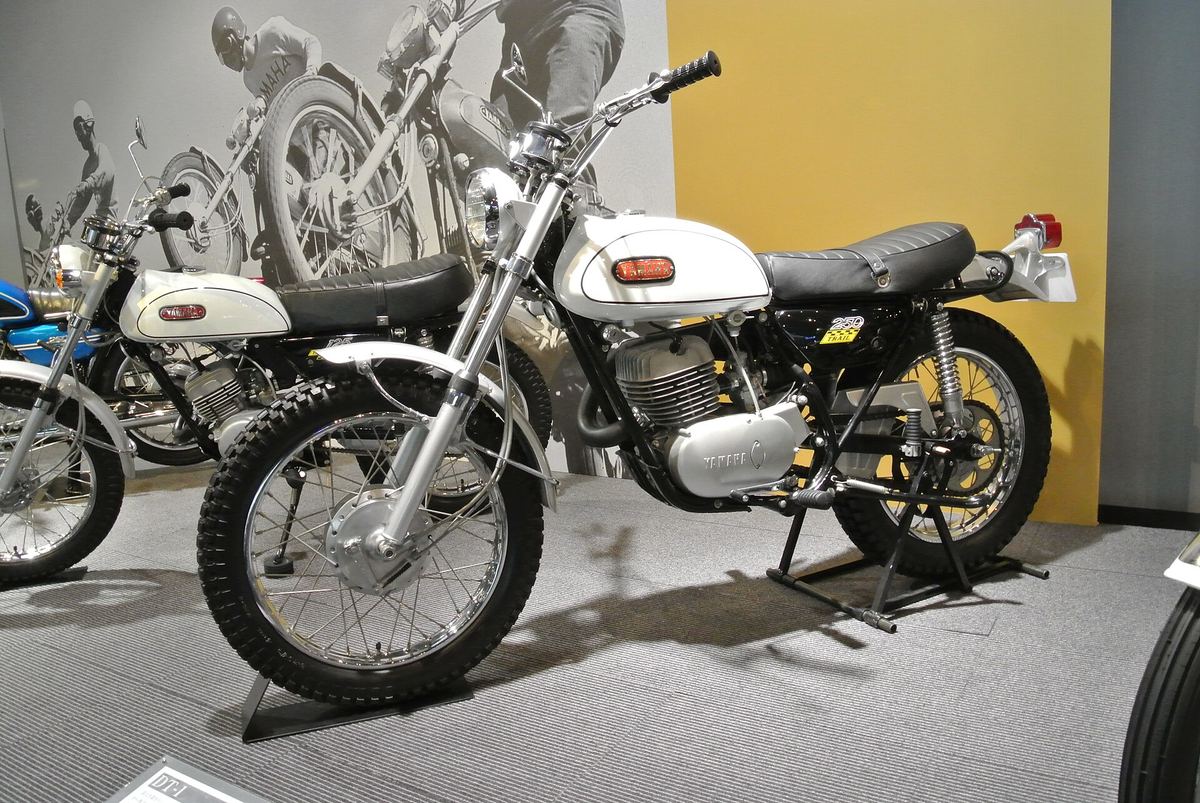
A 1968 Yamaha DT-1 at the Yamaha Communication Plaza, the company's museum in Japan.. Photo: Rainmaker47 / Wikimedia Commons (CC BY-SA 4.0)
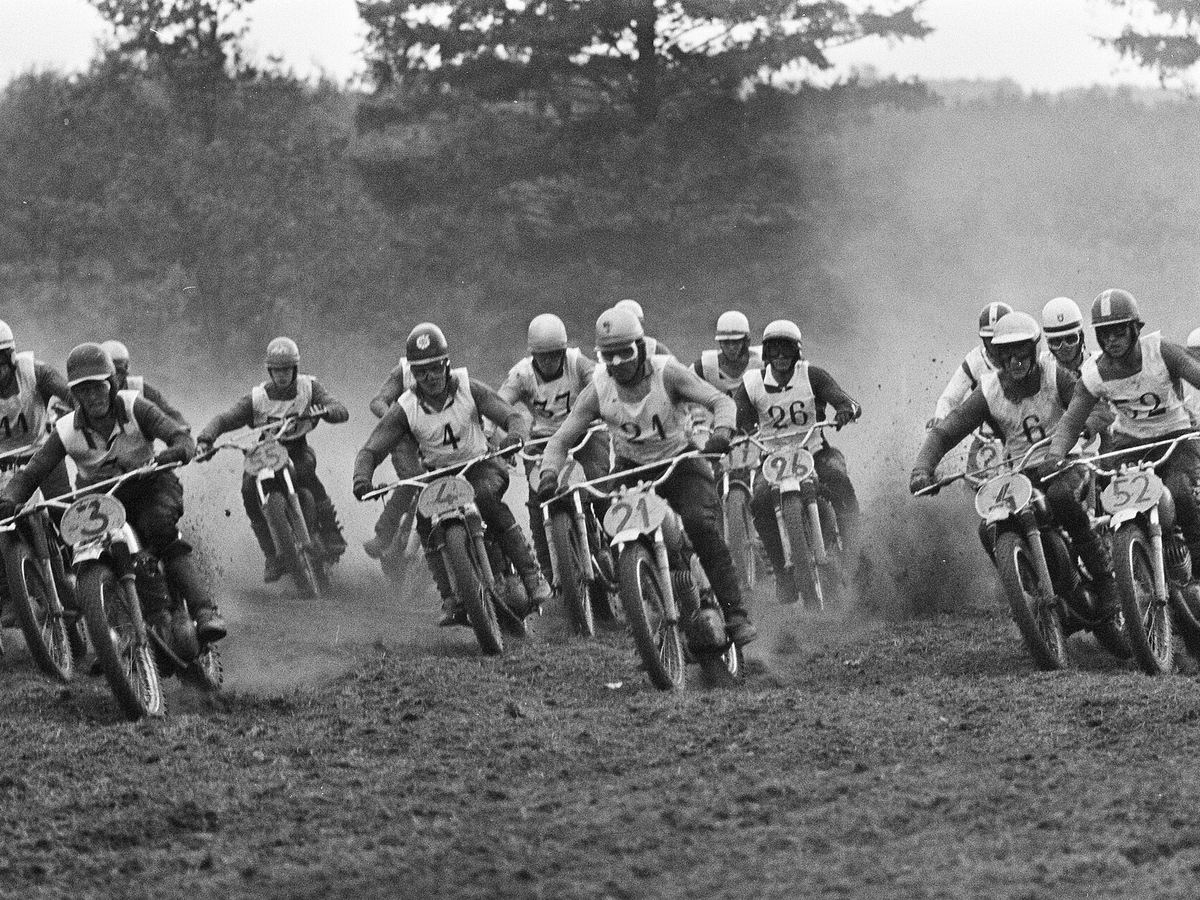
On 14 May 1967, at the All Japan Motocross Grand Prix in Koriyama, Yamaha brought out a new 250cc racer. About 80,000 people were there. Its rider was Tadao Suzuki, 22, known as Chu-san. Before the start he said, "We can win with this bike." He did.
The bike was the YX26, a factory motocrosser Yamaha had been developing in secret since November 1965, and its engine would power the Yamaha DT-1. Its engineers had a simple idea of a race bike. "The ideal race machine is one where the engine itself is nearly finished when the bike crosses the finish line," said Toshinori Suzuki, one of its developers.
Five months after Koriyama, Yamaha showed American dealers a road-legal bike built around the same engine. Yamaha's own history calls the YX26 the "mother" of that bike. It was the Yamaha DT-1, and it went on sale in spring 1968.
Yamaha DT-1: a trail bike for America
The request came from the United States. A Yamaha salesman in the Denver area reported that road sports bikes sold poorly there, while bikes people could ride on roads, meadows and mountain trails were catching on, according to Yamaha. Yamaha International Corporation, its American sales company, took the idea to headquarters in Japan in spring 1966.
The motorcycle writer Lane Campbell, quoted by Hooniverse, remembered the time before specialised bikes: "there were just bikes. I mean, you had a motorcycle; you rode it wherever the spirit led — on road or off." Not everyone at Yamaha's headquarters understood the idea. "I just couldn't picture what was meant by 'off-road' or 'trail'," the head of development and testing said later.
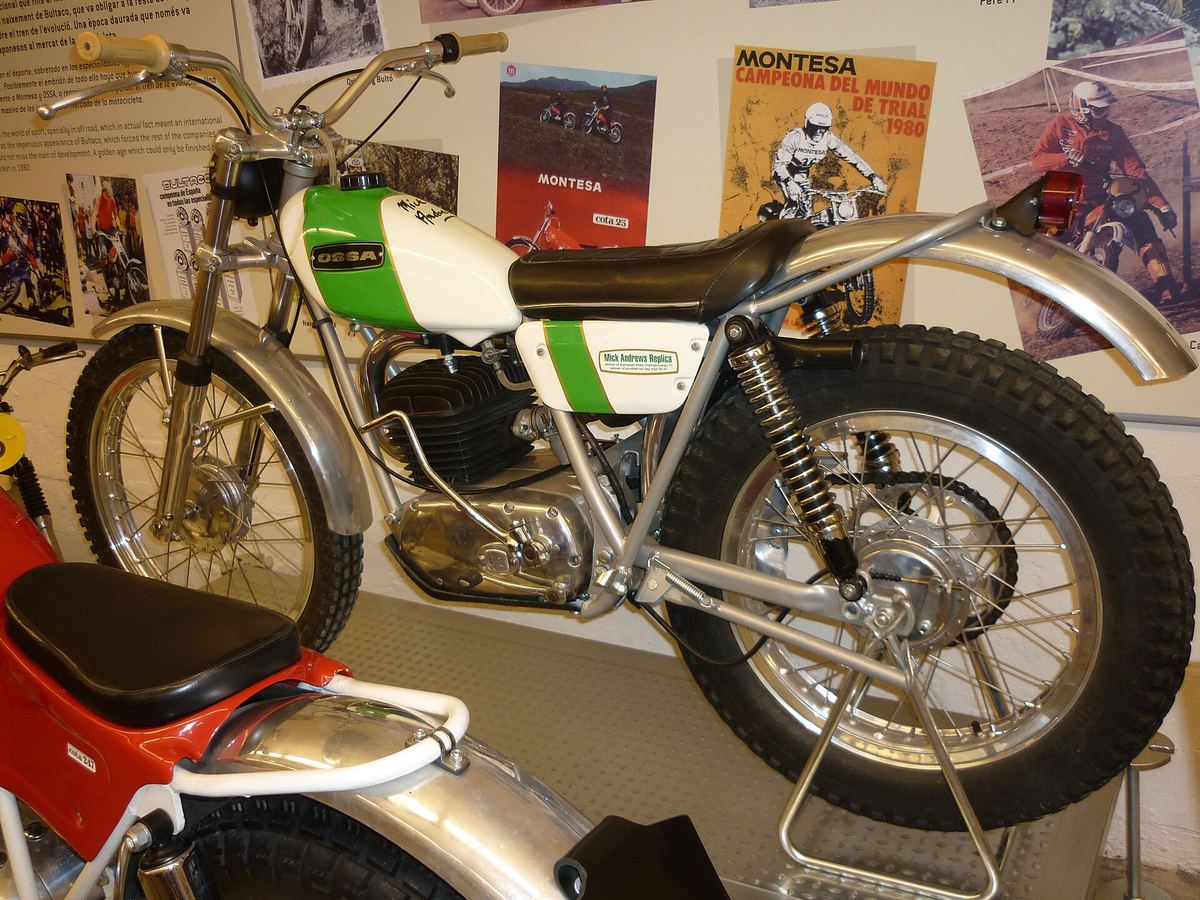
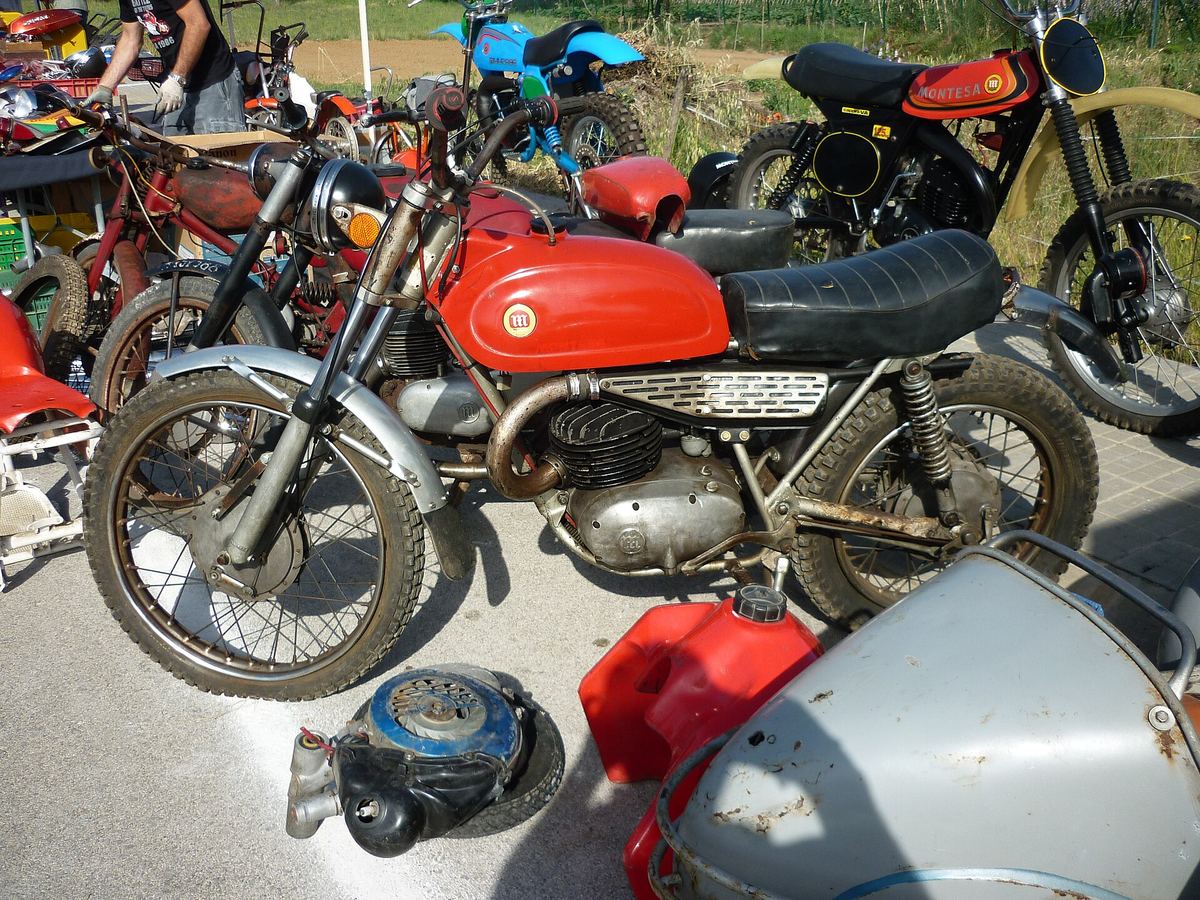
The Americans had a model in mind. In the desert races of the mid-1960s, riders used British and European bikes: Triumph, Greeves, BSA, Bultaco, Montesa and DKW, Motocross Action says. The California importers had bought a Montesa, and they wanted Yamaha to build something like it with the engine from its motocrosser, Motorcycle Monthly reports. Motocross Action names the Spanish bike as the Montesa Texas Scorpion 250, and says it was better than the DT-1 in power, suspension, weight and brakes. Only about 2,400 of the 250s were built for America.
Fifteen months from paper to dealers
Design work began in October 1966. Yamaha sent engineers, product planners and designers from GK Dynamics to the United States to watch people ride off-road and to listen, the company says. The riders asked for a 250, motocross and trials performance, and specific figures for tyres, suspension, wheelbase, seat height and ground clearance.
The engineers set three targets: less than 100kg, a chassis slim enough for narrow trails, and as much torque as possible. The engine kept the YX26's 70mm by 64mm bore and stroke. Early prototype frames were thinned to save weight, and some broke. Nobody made a suitable 4.00-18 rear tyre, so Yamaha developed one with a Japanese tyre maker.
The details showed who it was for. Yamaha's Autolube pump injected oil, so riders did not have to mix it with the fuel. The lights worked with the engine off, as California law required, and separate ignition coils let racers remove the battery, Cycle World noted. The gear lever and rear brake could be swapped from side to side for riders used to British bikes, Old Bike Australasia says.
Before production, Yamaha tested a final prototype against rival bikes on an American motocross track. The test riders said that with the road equipment removed, it would perform like a full motocrosser.
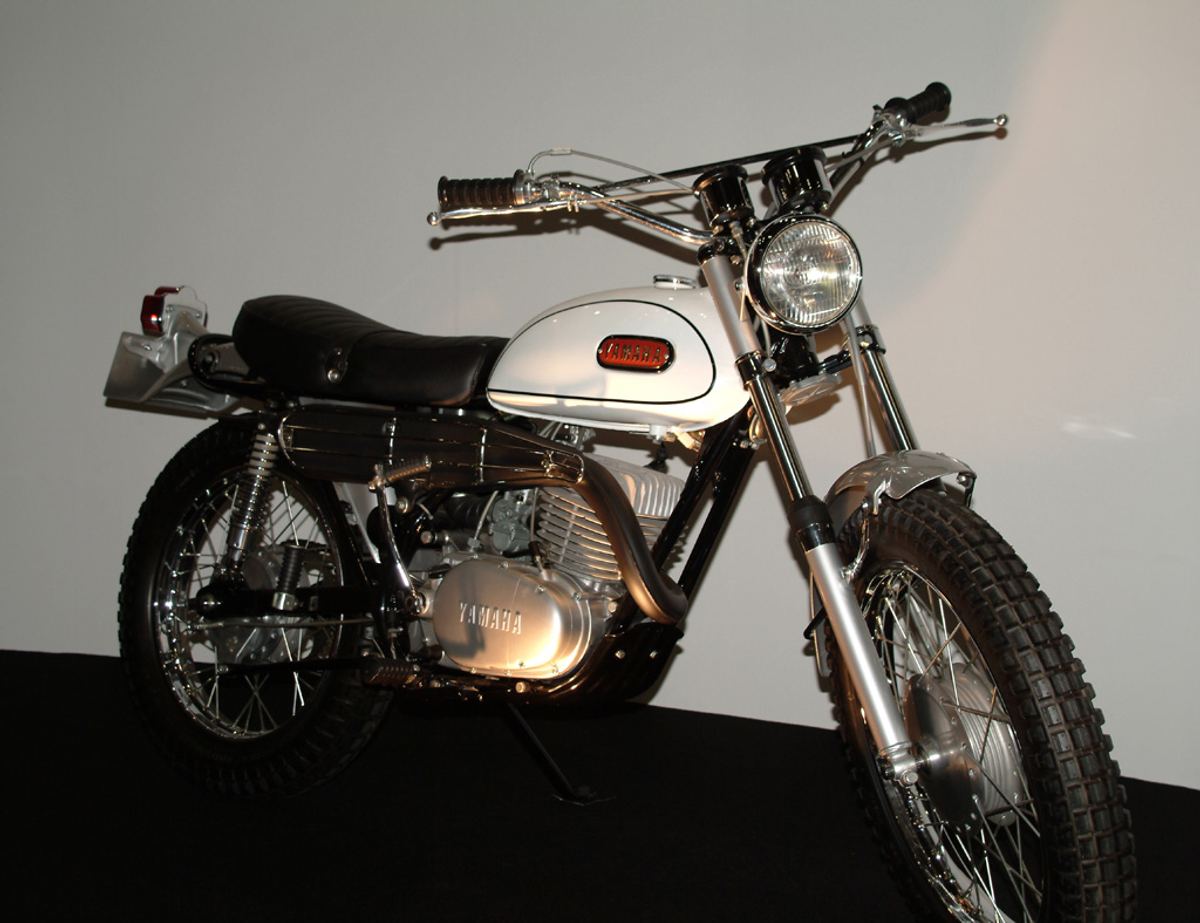
1968: the target was 12,000
Yamaha unveiled the DT-1 at its American dealer meeting in October 1967 and showed it at the Tokyo Motor Show that autumn. In December, Tom White, who later founded White Brothers, saw it at the Cycle World Show in Anaheim. "It was the star of the show," he recalled.
At its winter management meeting Yamaha set a first-year target of 12,000 DT-1s. Before then, Yamaha had sold about 4,000 motorcycles a year in the United States, the company says. The first shipment of 8,000 arrived in March 1968 and sold out at once, according to Motocross Action. The DT-1 had been planned as an export model, and Yamaha had to satisfy America before it could supply Japan.
Cycle World tested it for the February 1968 issue and put it on the cover. It called the DT-1 "the easiest starting two-stroke 250 we have ever tested," praised the gearbox and the damping, and complained about the folding footrests, "fat ugly lumps" for serious dirt riding. The magazine also offered a verdict on where the bike belonged.
The numbers that followed are not consistent. The National Motorcycle Museum and Hooniverse put first-year sales at about 50,000. Motorcycle Monthly says more than 70,000 were sold in all. In Japan, Yamaha says, it sold 500 to 600 a month.
Racers found it too. Yamaha sold a Genuine Yamaha Tuning (GYT) kit with a chrome-bore cylinder, a new piston and head, a 30mm carburettor and an expansion chamber. Cycle World said it took the engine from 22hp to 30hp. Chu-san won the 1968 All Japan Motocross Championship 250cc class at Teine on a DT-1, and in Australia Bob Voumard won the 250cc scrambles title on a near-standard one, Old Bike Australasia says.
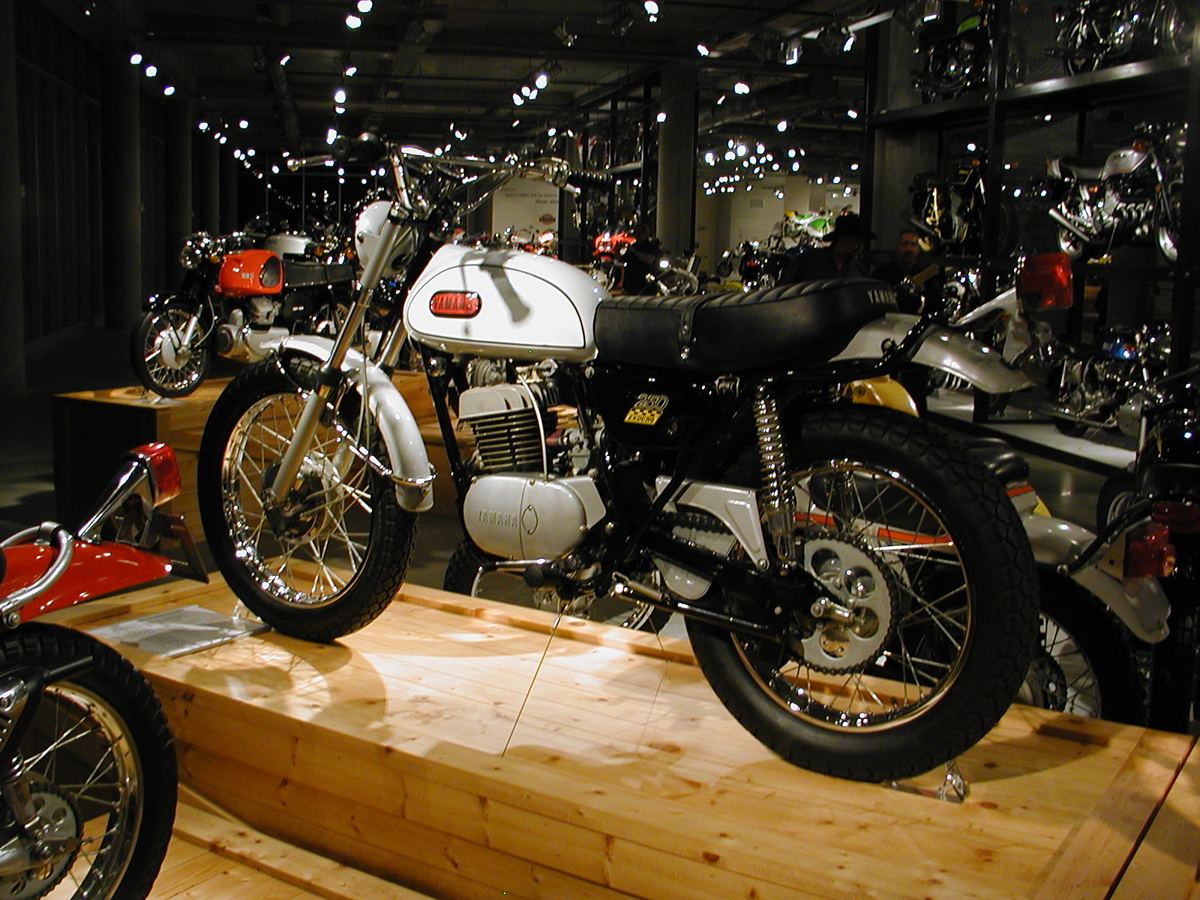
What it took to start a boom
The DT-1 needed somewhere to be ridden, and Yamaha built that too. Off-road riding had not caught on in Japan before the DT range arrived, Motorcycle Monthly says. Yamaha's own magazine was confident in 1968: "It has developed a new field of motorcycling fun and utility to enchant youth around the world," Yamaha News wrote. In Japan it ran trail-riding courses from the launch, and in September 1970 it opened a network of Trail Land sites where people could ride its DT models off-road, Motorcycle Monthly says. They were popular with young riders.
In America the bike's weak points created an industry. Owners fitted Ceriani and Betor forks, Koni and Girling shocks, aluminium rims, plastic tanks and mudguards, chromoly handlebars and hop-up pipes, Motocross Action says. Within a few years, more than half of the new motorcycles sold in America were on- and off-road models, Cycle World wrote in 1993.
Rivals had to answer. European makers such as Bultaco lost the casual dual-purpose buyers, Hooniverse says. Honda replaced its CL street scramblers with the SL and later the XL series, according to Hooniverse; Old Bike Australasia says Honda's XL250 arrived about five years after the DT-1.
Why it still matters
The DT-1 was not the first dual-purpose motorcycle. Motorcyclist's Mitch Boehm wrote that it "might have been the most important." It grew into a family of DT two-strokes from 50cc to 400cc, Hooniverse says. The four-time 250cc world champion Torsten Hallman later joined Yamaha and helped develop the YZ motocrossers, Motocross Action says.
The European makers did not do as well. Motocross Action lists Montesa, Bultaco, Greeves, BSA, Ossa and others among the European makers that faded in its wake.
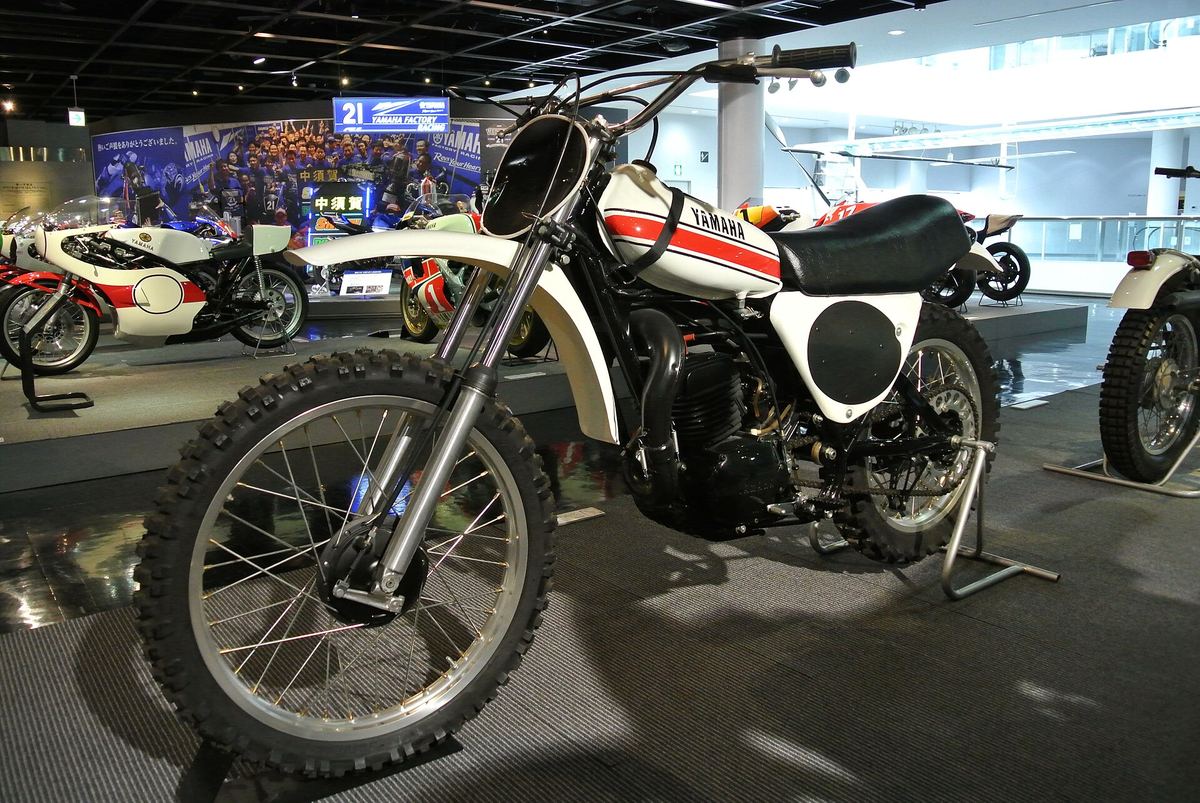
It started with a salesman near Denver who noticed what his customers were doing at weekends. Yamaha's engineers could not picture a trail. Within a year, they had built the bike that took a generation onto one.
Quick answers
When did the Yamaha DT-1 come out?
Yamaha showed the DT-1 to its American dealers in October 1967 and at the Tokyo Motor Show that autumn. It went on sale in spring 1968; the first shipment of 8,000 reached the United States in March 1968 and sold out immediately, according to Motocross Action.
Was the Yamaha DT-1 the first trail bike?
No. Dual-purpose bikes existed before it, and Yamaha's importers modelled it on a Montesa Scorpion. But the National Motorcycle Museum calls it the first real Japanese dual-sport bike, and Motorcyclist wrote that it "might have been the most important." It helped start the 1970s trail bike boom.
How many Yamaha DT-1s were sold?
Yamaha planned to sell 12,000 in the first year. The National Motorcycle Museum and Hooniverse say it sold about 50,000 in that time, and Motorcycle Monthly puts total sales at more than 70,000. Before the DT-1, Yamaha sold about 4,000 motorcycles a year in the United States.
What engine does the Yamaha DT-1 have?
The Yamaha DT-1 has a 246cc air-cooled two-stroke single with a 70mm by 64mm bore and stroke, a 26mm Mikuni carburettor, Autolube oil injection and a five-speed gearbox. Cycle World quoted 22hp, rising to about 30hp with Yamaha's GYT tuning kit.