Akira Watanabe: the only Japanese rider ever to win a motocross world championship
In 1978 Akira Watanabe, a Suzuki test rider from Utsunomiya, ended Gaston Rahier's reign in the 125cc class through sheer consistency, a year after a knee injury that threatened his career. No Japanese rider has won one since.
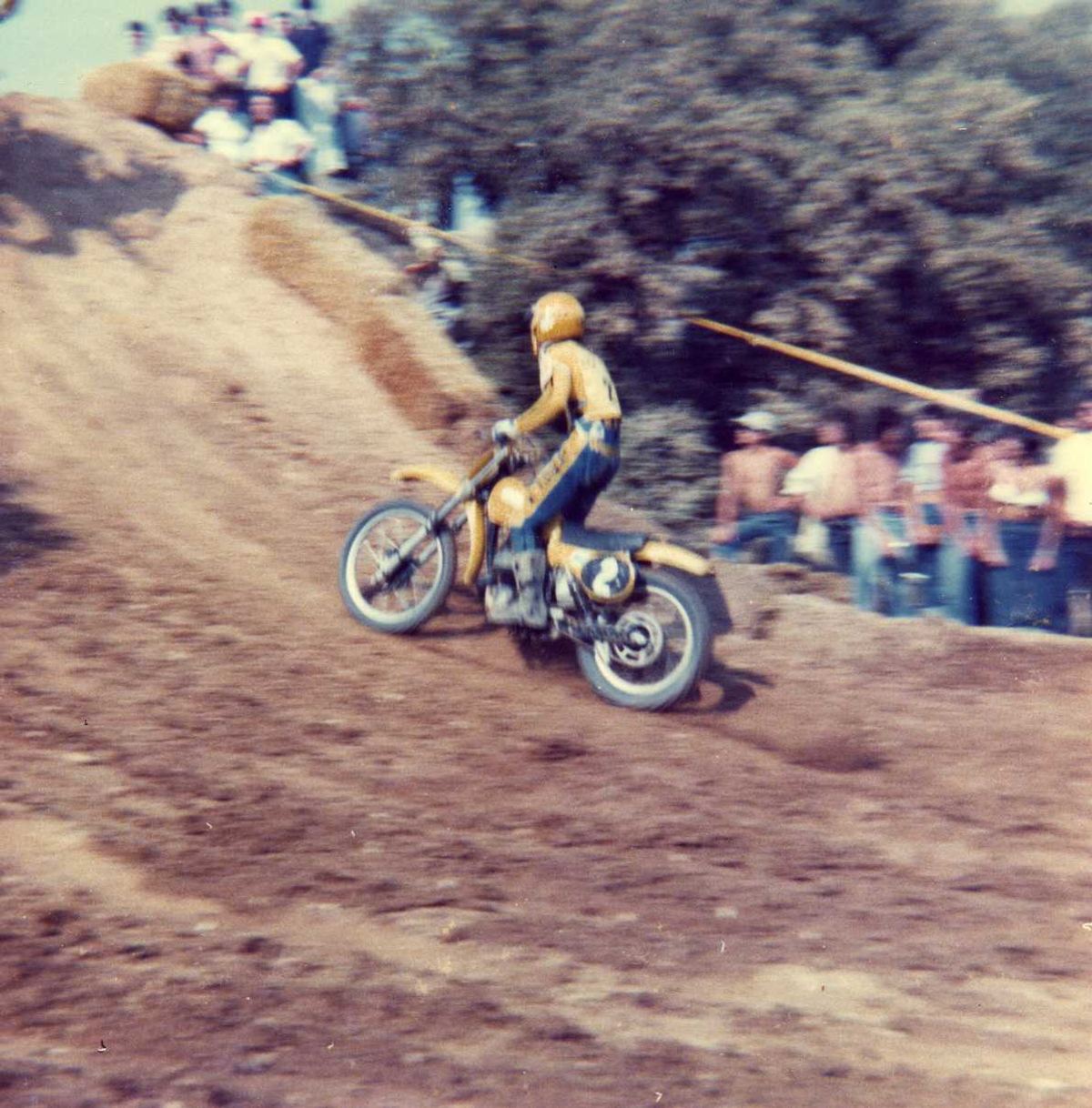
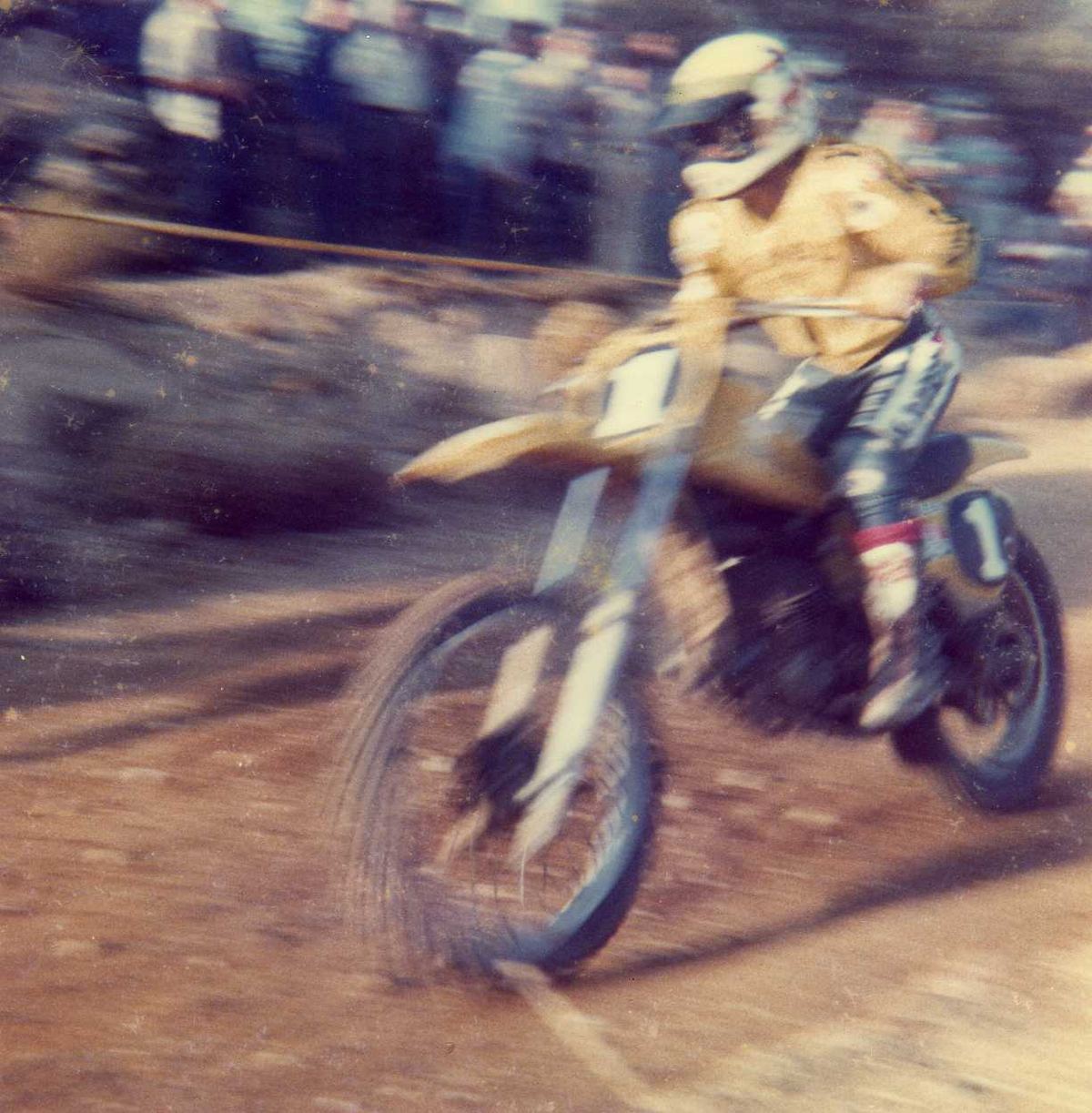
Akira Watanabe on his works Suzuki at the 125cc Spanish Grand Prix in Montgai, Catalonia, on 13 August 1978, two weeks before he became world champion.. Photo: Peprovira / Wikimedia Commons (public domain)
The last round of the 1978 125cc motocross world championship was held in Czechoslovakia on 27 August. Gaston Rahier, the Belgian who had won every 125cc world title since the class began in 1975, won the Grand Prix with a second and a first. Gerard Rond of the Netherlands was second on his Yamaha, with a first and a fourth.
Third was a 23-year-old from Japan on a Suzuki. It was enough. Akira Watanabe finished the season with 267 points, Cycle News reported. Rahier and Rond were tied on 248, and Rahier took second place because he had won five Grands Prix to Rond's three.
Suzuki had won the 125cc title every year since the class began. "However, for the first time, Gassin' Gaston Rahier wasn't the winning rider," Cycle News wrote. "Which proves the only competition Suzuki has in the 125 class is another Suzuki."
Akira Watanabe was the first Japanese rider to become motocross world champion. Nearly half a century later, he is still the only one.
Akira Watanabe, from Utsunomiya to Suzuki's test team
Watanabe was born in Utsunomiya, north of Tokyo, on 21 October 1954, the Belgian site MXVintage says. He became interested in motocross after seeing a 50cc racing bike in the window of a motorcycle dealer. As a schoolboy he rode 50cc machines on the riverbank, and he was racing motocross by his first year of high school, the Japanese motorsport history site Oval-net says.
By about 17 he had caught Suzuki's eye, and the company hired him to test and develop its motocross bikes, the Alpinestars heritage blog Oscar says. Suzuki wanted riders who could act as "flying laboratories", giving sharp feedback on prototypes, MXVintage adds. The coach of Suzuki's athletics team took charge of his physical training, and he improved quickly. A former Kawasaki team coordinator later remembered his riding in the national B class in the early 1970s as "perfect".
In 1974, aged 19, he won the Japanese championship in both the 125cc and 250cc classes. That was the year before the FIM made the 125cc class a world championship. Suzuki entered from the start, and Rahier won the first title for the company. The Belgian was a founding member of Suzuki's 125cc programme, Suzuki said when he died in 2005. Rahier travelled to Japan to test machines, and a Japanese blog recalling his life says he had a big influence on Suzuki's home riders.
Europe, a knee and a long way back
Watanabe was named the best expert junior rider of 1974 in Japan and sent to Europe for 1975, Oval-net says. In his first season he won the Spanish Grand Prix outright, the first Japanese rider to win a motocross Grand Prix, and finished fourth in the championship. It was also the year Rahier won the first 125cc world title for Suzuki, the start of a run of six consecutive titles for the factory in the class from 1975 to 1980, Oval-net says. For a young Japanese rider, the hardest opponent in the paddock was in the same awning.
He made his base in Belgium. "He actually spent some time living with Gaston on the East Side of Belgium," Roger De Coster told Oscar. "He also rode with me." Europe was hard on a young Japanese rider, MXVintage says. He had to deal with the language barrier, European food and long journeys in a camper van. Some Europeans saw him as someone who was there to keep the seat warm for the European stars, a role he refused to accept.
In 1976 the Japanese federation required him to race the national championship, MXVintage says, so he did not contest the world series. He was second in both the 125cc and 250cc classes at home. He also went to America for the Trans-AMA series and won the first race at Mid-Ohio, beating De Coster, then the 500cc world champion.
He came back to Europe in 1977 and started the season as if the title were his. He won the French Grand Prix with a second and a first, then the Italian with the same results, and led the championship. At the third round, in Belgium, he crashed heavily on a big jump. He badly damaged the ligaments in his knee, Oval-net says, an injury some said he would never come back from. His season was over. Rahier won the title again, with Rond his main challenger.
Watanabe went home and worked through a long programme of rehabilitation and graded training. Before the 1978 Japanese season he won the All-Star motocross meeting in Japan, which earned him his place back in the Grands Prix.
1978: the title won on points
The season began in Austria in April, where Rahier won ahead of Rond and Watanabe, Racer X says. From then on Watanabe hardly missed a beat. He was third in the first round, second in the second and third again in the third, Oval-net says, and except at the United States Grand Prix, where he struggled against the young Americans, he finished in the top three in every race.
He wore the number 6 that year. At the Dutch Grand Prix, a photograph by Jack Burnicle later published by Cycle News shows him on the attack behind Rond, Holland's own factory Yamaha rider, who went on to win at home.
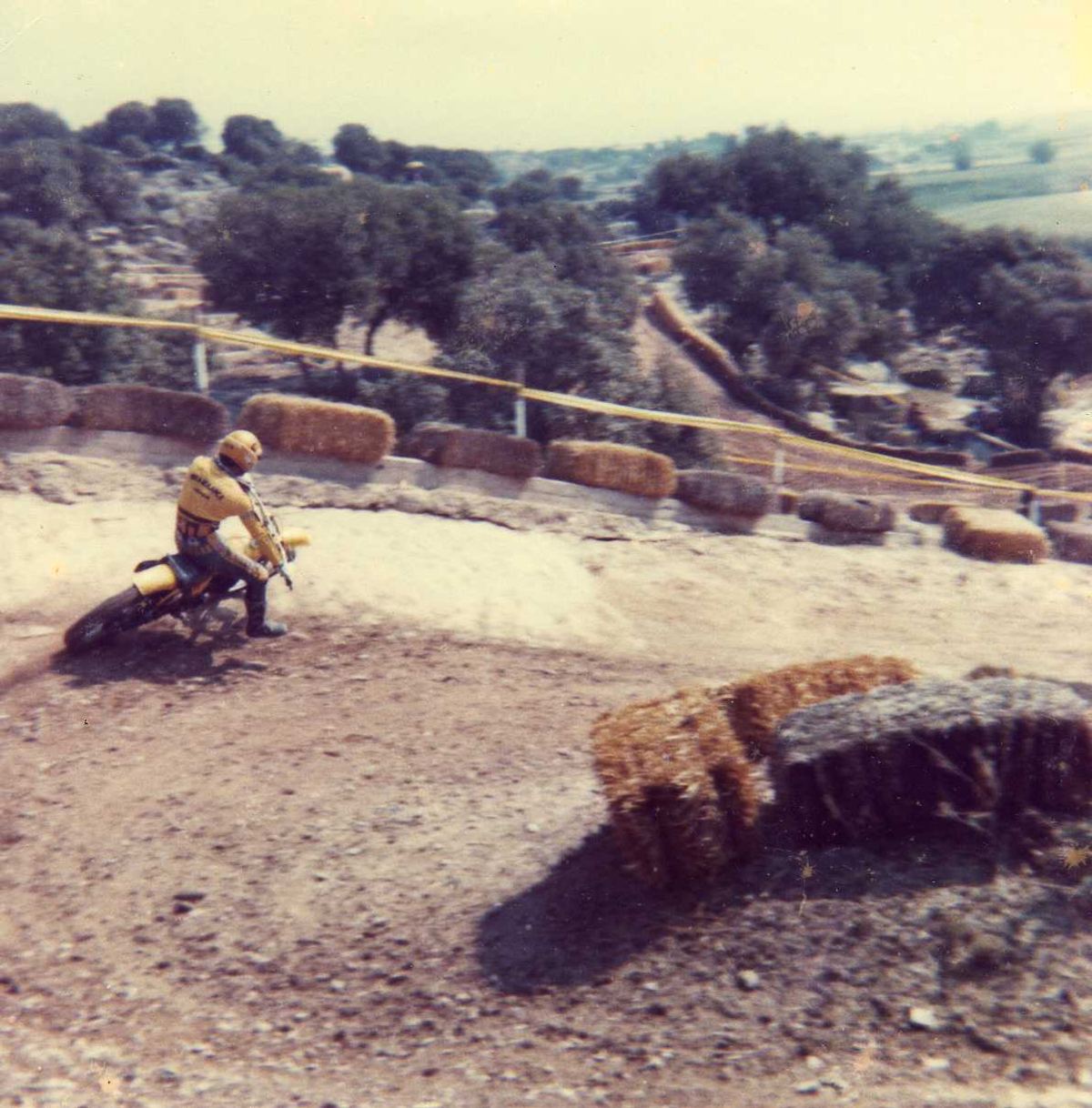
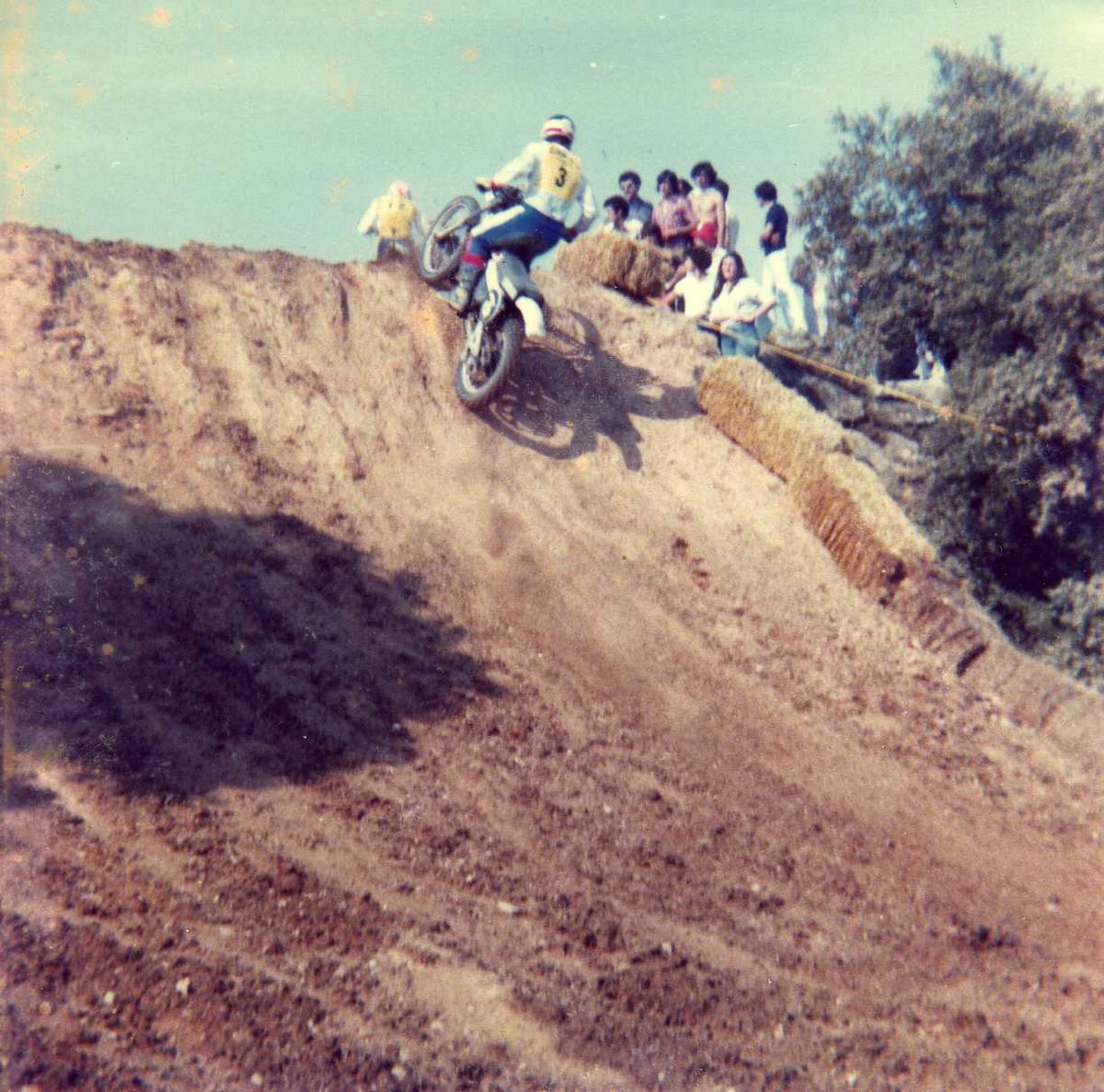
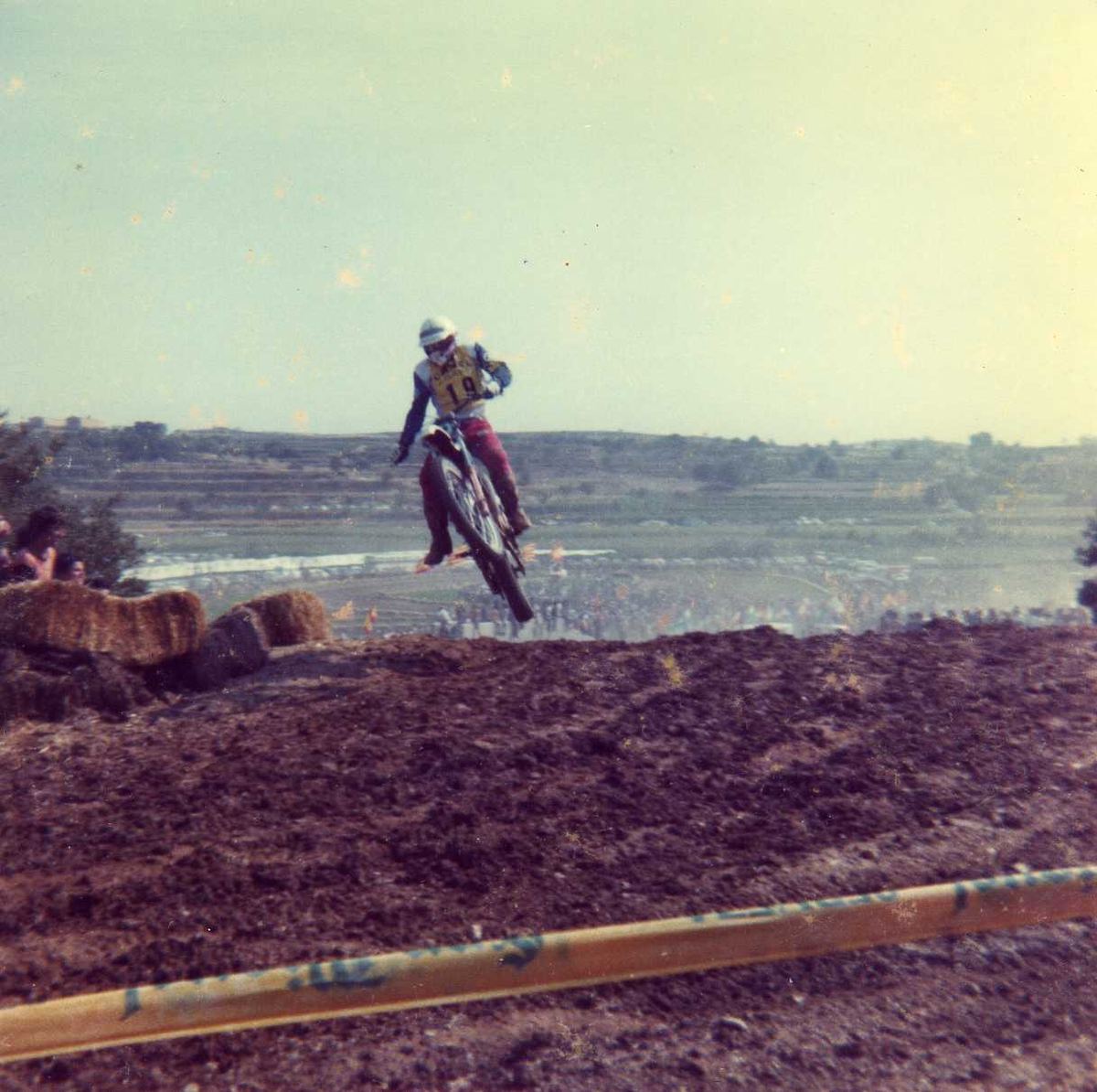
Watanabe also won. MXVintage credits him with three Grand Prix victories that year: West Germany at Laubus-Eschbach, Poland at Szczecin and Spain at Montgai, in Catalonia, on 13 August. A spectator photographed him there among a field of Suzukis, Yamahas, KTMs, Aprilias and CZs, on a dry, dusty hillside circuit, the Circuit del Cluet, with a lake below it. Two weeks later the championship would be decided.
Rahier won more Grands Prix than anyone that year, five by Cycle News's count, and Rond won three or four for Yamaha, depending on the record. But Rahier and Rond took points from each other, and Watanabe kept collecting his. By the last round in Czechoslovakia, third place was all he needed. Racer X, looking back, called him the one and only Japanese rider ever to contend for a motocross world championship, "let alone win one". Cycle News ended its brief report of the title with a line for both Suzuki riders: "Congratulations, Akira and Gaston."
Suzuki won 14 of the season's 24 races and its fourth consecutive manufacturers' title, Oval-net says. Watanabe gave the credit to the people at the factory. "I was able to win the championship thanks to the engineers, who took the riders' requests seriously and improved the machine," he said, in Oval-net's account.
What it took: patience, fitness and a factory behind him
Watanabe did not win the title by being the fastest rider every weekend. He won it by finishing. De Coster, who knew him from Belgium and from the Trans-AMA, put it simply: "He was a good rider – a very good rider. I mean you don't win a World Championship without being a decent rider." A Japanese rider in Europe in the 1970s also had to cope with a great deal away from the track, from the food to the travelling.
The fitness work with Suzuki's athletics coach, and the year of rehabilitation after the Belgian crash, gave him the base. The factory gave him the bike, and he was always clear that its engineers deserved a share of the title. His background helped too. Suzuki had hired him to give its engineers precise feedback on prototypes, MXVintage notes, and in 1978 that feedback went into his own race bike.
His success came at a good moment for Japanese motorcycle sport. In 1977 Takazumi Katayama had become the first Japanese world champion in road racing, in the 350cc class. In 1978 Watanabe did the same in motocross, the Motorcycle Federation of Japan (MFJ) notes in its official history. Japan had reached the top of both disciplines in two years.
Why it still matters
Watanabe defended his title in 1979, but a new Suzuki team-mate swept past him. Harry Everts of Belgium won both races at the Irish Grand Prix and clinched the championship, Cycle News recalls. Watanabe was second. Suzuki won all 12 Grands Prix that year, Everts said later. In 1980 his knee gave trouble again and he could not race, Oval-net says.
He stayed with Suzuki as a development rider, leaving the company in 1987, a Japanese motocross guide says. In 1991 he rode the Paris–Dakar Rally on a factory Suzuki DR350 in the Marathon class and finished 23rd among the motorcycles, MXVintage says. A Japanese blog says Rahier was one of the people who strongly urged him to go. He later ran riding schools, coached and organised enduro events. In December 2025, Mr. Bike reported, he was one of the organisers of a reunion of more than 300 former Suzuki racing staff, and took the stage with Sylvain Geboers.
Racer X calls him "the best motocross rider to ever emerge from Japan". Riders from more than 15 countries have won motocross world titles, the Oscar blog notes. Japan, for all its factories, has produced exactly one.
Quick answers
Who is Akira Watanabe?
Akira Watanabe is a Japanese motocross rider, born in Utsunomiya in 1954, who won the 1978 125cc motocross world championship on a works Suzuki. He joined Suzuki as a young test rider, raced in the Grands Prix from 1975 and remains the only Japanese rider to have won a motocross world title.
How did Akira Watanabe win the 1978 world title?
Watanabe won by consistency. He finished in the top three in almost every race of the 1978 season and won Grands Prix of his own, while his team-mate Gaston Rahier and Yamaha's Gerard Rond took points from each other. Third place at the final round in Czechoslovakia gave him the title with 267 points.
Who did Akira Watanabe beat in 1978?
He beat his Suzuki team-mate Gaston Rahier of Belgium, who had won the first three 125cc world titles from 1975 to 1977, and the Dutch Yamaha rider Gerard Rond. Rahier and Rond finished level on 248 points, 19 behind Watanabe, with Rahier second because he had more Grand Prix wins.
Has any other Japanese rider won a motocross world championship?
No. Akira Watanabe's 125cc title in 1978 remains the only motocross world championship won by a Japanese rider, even though Japanese manufacturers have won many titles. He came close to a second title in 1979, finishing runner-up to his Suzuki team-mate Harry Everts.