Paul Friedrichs: the East German who won three 500cc motocross world titles on a CZ
Paul Friedrichs, an East German policeman on a Czechoslovak two-stroke, won the 500cc motocross world title in 1966, 1967 and 1968. The third came by one point, three days before tanks rolled into Czechoslovakia.
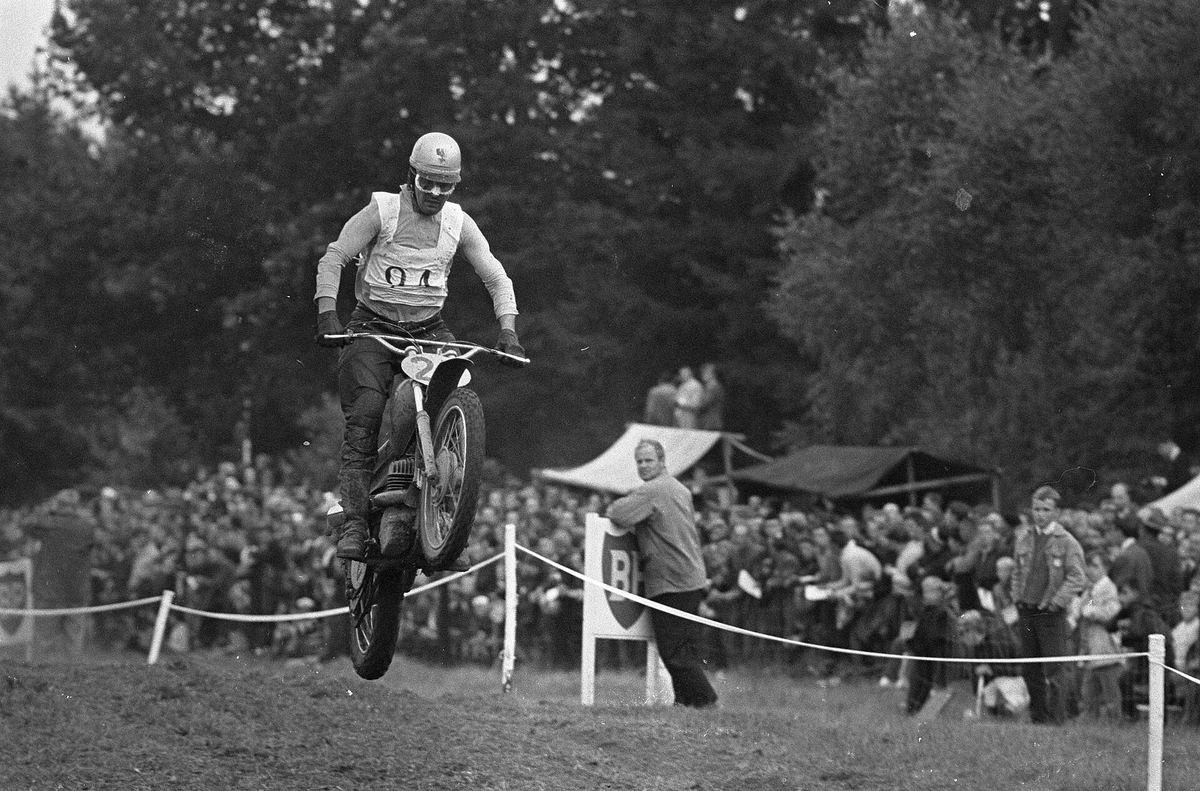
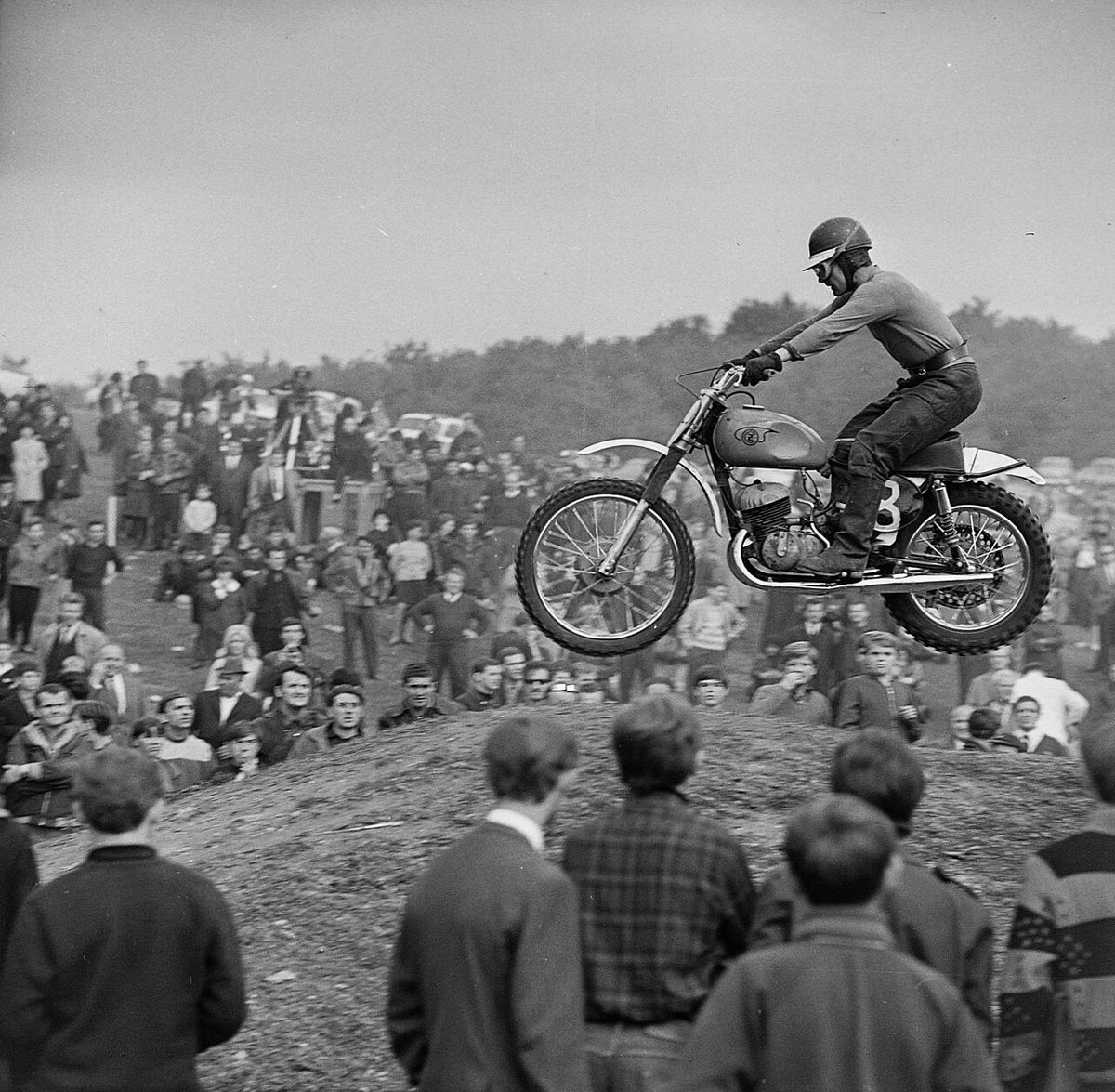
Paul Friedrichs, the reigning 500cc world champion, goes over the jump at the Motocross des Nations in Markelo, the Netherlands, on 3 September 1967.. Photo: Eric Koch / Anefo, Nationaal Archief (CC0)
Going into the last round of the 1968 500cc motocross world championship, John Banks of Britain led Paul Friedrichs by 38 points to 34. Both needed a win to be sure of the title. Åke Jonsson of Sweden still had an outside chance if both of them failed to score.
In the first leg Bengt Åberg won on a Husqvarna, with Friedrichs second and Banks third. In the second, Vic Eastwood won and Friedrichs was second again. Banks's chain came off, and with it went his hopes, Cycle World's B. R. Nicholls reported.
Paul Friedrichs, an East German riding a Czechoslovak CZ, was champion by one point. It was his third 500cc world title in a row, which no rider had done before.
Three days later, Warsaw Pact troops invaded Czechoslovakia, the country whose factory built his motorcycles. The champion and his team were soon to see what that meant at first hand.
Paul Friedrichs, from Mecklenburg to the CZ works team
Friedrichs was born on 21 March 1940 and grew up in Mecklenburg, in what became East Germany, the FIM says. His home town ended up on the Soviet side after the war. He started racing at 18 on an East German MZ while training to be a policeman, according to Racer X. The authorities soon sent him abroad to race for the Dynamo club in Berlin, and they watched him closely in case he tried to defect.
He appeared in the 500cc world championship halfway through 1965 and still finished second to Jeff Smith, Cycle World reported. For 1966 the CZ factory signed him alongside Dave Bickers, the former world champion Rolf Tibblin and Chris Horsfield.
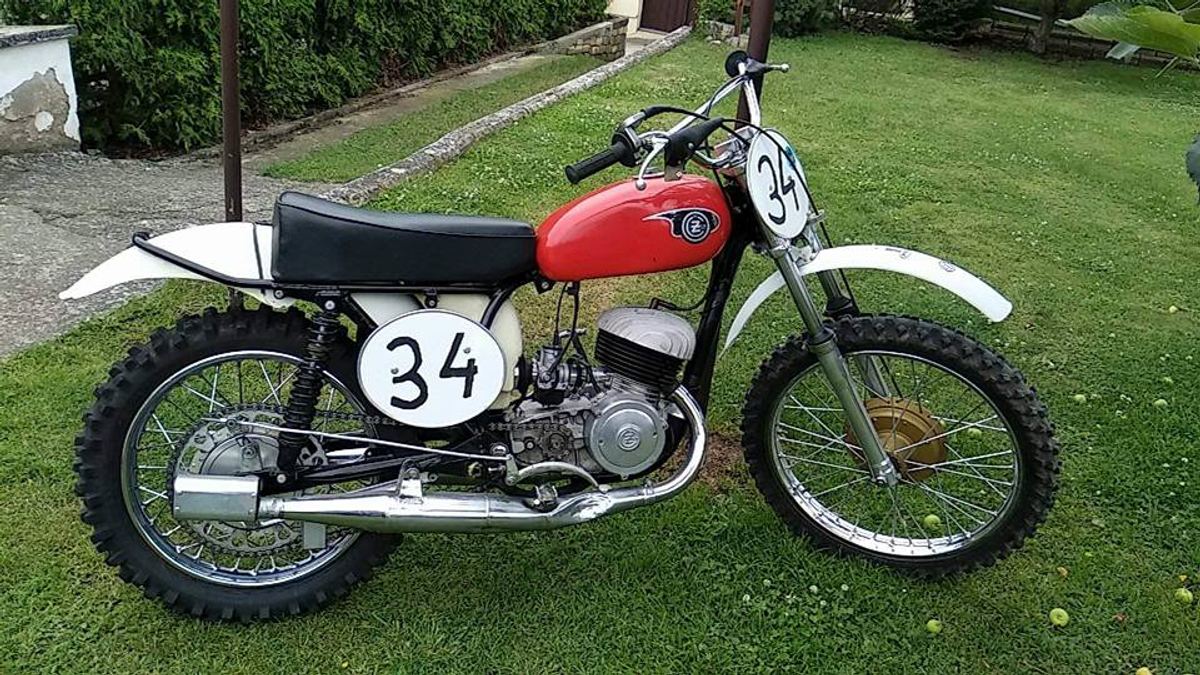
The bike was the 360cc CZ two-stroke, the FIM says. Smith's works BSA was a big four-stroke, and BSA had given him a titanium frame that cost $15,000 and brought early retirements with teething troubles, Cycle World noted. Motocross Action, captioning a photo from its archive, put it simply: Friedrichs's lightweight, smaller-capacity CZs were too quick for the 500cc four-strokes of the era.
Three titles in three years
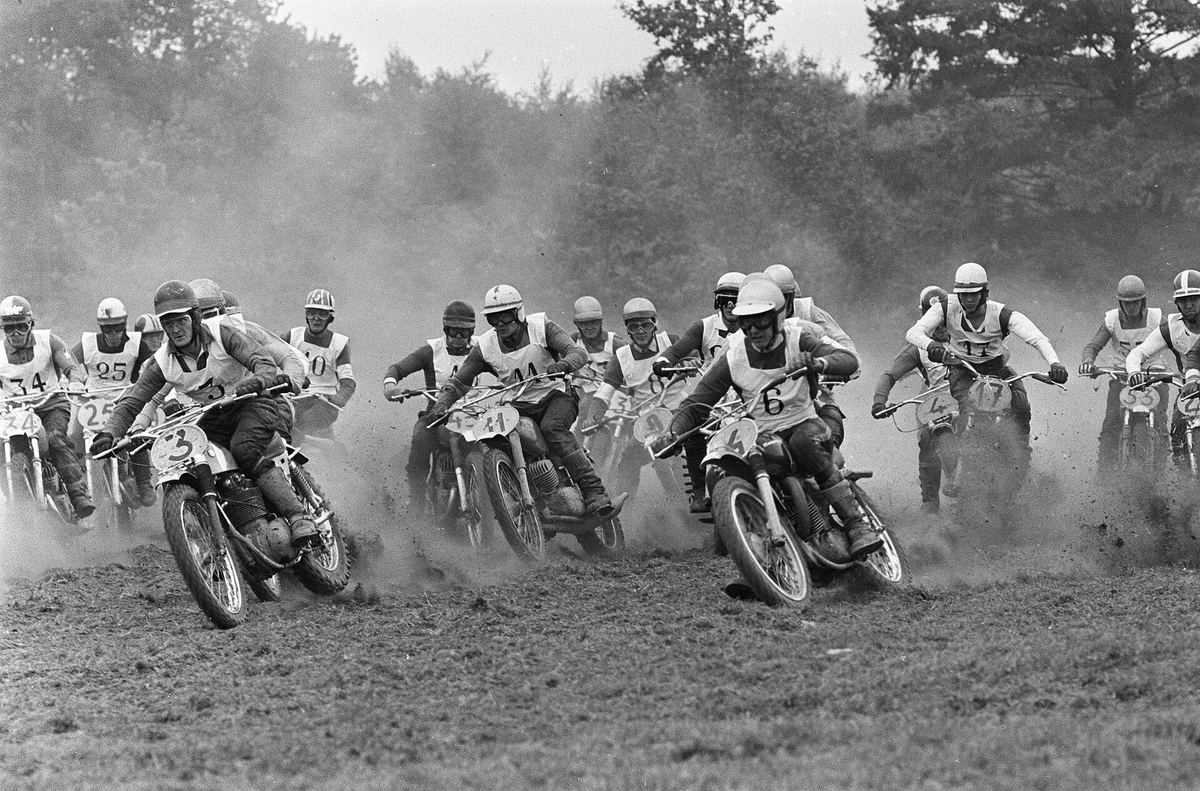
He won the first round of 1966, in Switzerland, ahead of Vlastimil Válek on a Jawa and his team-mate Tibblin. By Luxembourg, where he led the first race from start to finish while the riders behind him rode through his dust, he had seven Grand Prix wins. He took the title with the maximum score, eight wins counting. Cycle World called him "THE best".
In 1967 the series was "a walkover", Gavin Trippe wrote. Friedrichs trained at a camp with other East German riders, running and working in the gym, and spent three hours a day on a scrambler. At the British Grand Prix at Farleigh Castle he won the first race, then waited for Bickers to cross the line first in the second, giving CZ a one-two overall. Smith did not appreciate the move, Trippe wrote, and the argument over "gamesmanship or sportsmanship" raged for weeks.
Not every CZ worked as well as his. The factory had enlarged its works engine from 360cc to 380cc for 1967, and the power arrived too fiercely early in the season. Roger De Coster eventually went back to the old twin-port 360 and started finishing higher, Trippe noted. In the mud of the East German round at Gumpelstadt the officials could not tell the riders apart, and the results came out late on Sunday night amid British protests.
Politics followed him to Britain in other ways. He once threatened to boycott the British Grand Prix because the programme called his country "East Germany" rather than the German Democratic Republic, Racer X says. The promoter agreed to announce the name properly but refused to fly the flag.
He ended 1967 by winning in Switzerland, with the maximum 56 points against Smith's 35 and Bickers's 32. Nicholls described him as "the quiet spoken, good looking East German".
For 1968 he wanted to move down to the 250 class, Trippe reported, but as an East German rider he had to follow CZ's orders and stay in the 500s. His new bike's transistor ignition cut out in Austria and Sweden, his engine was waterlogged in the Italian rain, and after four rounds he had no points. Then he won three in a row: Finland, East Germany and Czechoslovakia. The East German round at Apolda, near his home in Erfurt, drew about 100,000 people. In Czechoslovakia he won both races in 90-degree heat. By the halfway point he led Jonsson by 24 points to 20. His last challenger would be Banks, a wealthy builder's son on a light BSA of about 230lb, and the stage was set for the one-point finish.
What it took to race from the East
Friedrichs was a state athlete in a Cold War sport. He trained in camps, raced under supervision and went where he was allowed. His authorities sometimes kept him away from races in West Germany for fear he would not come back, and some countries barred him because of where he came from, Racer X says. Trippe, who rated him highly, noted that he could become nervous and make mistakes when things went wrong.
In August 1968, after the championship, Friedrichs and his East German team-mate Heinz Hoppe travelled to the CZ factory in Strakonice to have their engines rebuilt, the Nordkurier reported. An engineer told them to leave the country by the fastest route: war had broken out. The windows of the Hoppe team's Barkas van were smashed, and it was a write-off by the time they reached Thuringia by back roads.
The Swedish federation said it would not race against the invading countries, and Cycle World doubted whether the Motocross des Nations in the Soviet Union would go ahead at all. It did, but Western riders stayed away from races in the Soviet Union, the Nordkurier says, and the East German team took second place behind the home side and ahead of France. Even a medal won that autumn came with the politics attached.
Why it still matters
The motorsport writer Peter Carrick later wondered how many more Grands Prix Friedrichs might have won in a less abrasive period of European politics. In 1969 Åberg won the title, and Friedrichs never won it again. He kept racing in the world championship until 1972, and won East German 500cc titles in 1965 and 1972 and 250cc titles in 1962, 1963, 1967 and 1972, MXLarge says. The Nationaal Archief's photographs from the Motocross des Nations at Markelo in September 1967 catch him at the height of it, the reigning champion in the air in front of a Dutch crowd.
He was the first German to win a motocross world title, Motorrad says. Paul Friedrichs died in Erfurt on 30 August 2012, aged 72, after two months in hospital. That same year, Racer X noted, Germany won the Motocross of Nations for the first time.
Quick answers
Who was Paul Friedrichs?
Paul Friedrichs was an East German motocross rider, born in 1940, who won the 500cc motocross world championship in 1966, 1967 and 1968 on CZ two-strokes built in Czechoslovakia. He was the first rider to win the 500cc title three years in a row and the first German world motocross champion. He died in 2012.
How did Paul Friedrichs win the 1968 title?
Friedrichs scored no points in the first four rounds of 1968, then won three in a row. At the last round John Banks led him 38 to 34. Friedrichs finished second in both races, Banks's chain came off in the second, and Friedrichs won the title by one point.
What bike did Paul Friedrichs ride?
He won his first two titles on the 360cc CZ two-stroke and the 1968 title on a 400cc works CZ, with an 80mm bore and stroke and a reported 44bhp at 6,500rpm. The bikes were built by CZ in Strakonice, Czechoslovakia, and were lighter than the British four-strokes they beat.
How did the Cold War affect Paul Friedrichs?
East German officials supervised Friedrichs closely abroad and sometimes kept him out of races in West Germany. CZ made him stay in the 500cc class in 1968. Days after his third title, Warsaw Pact forces invaded Czechoslovakia while he was visiting the CZ factory, and he had to leave in a hurry.