Bultaco Pursang: the Spanish thoroughbred that won America its first motocross Grand Prix
The Bultaco Pursang was Paco Bultó's pure-blood motocrosser, born of a failed Rickman partnership. In April 1973 a 20-year-old from Washington state rode a stock one to a Grand Prix win no American had managed before.
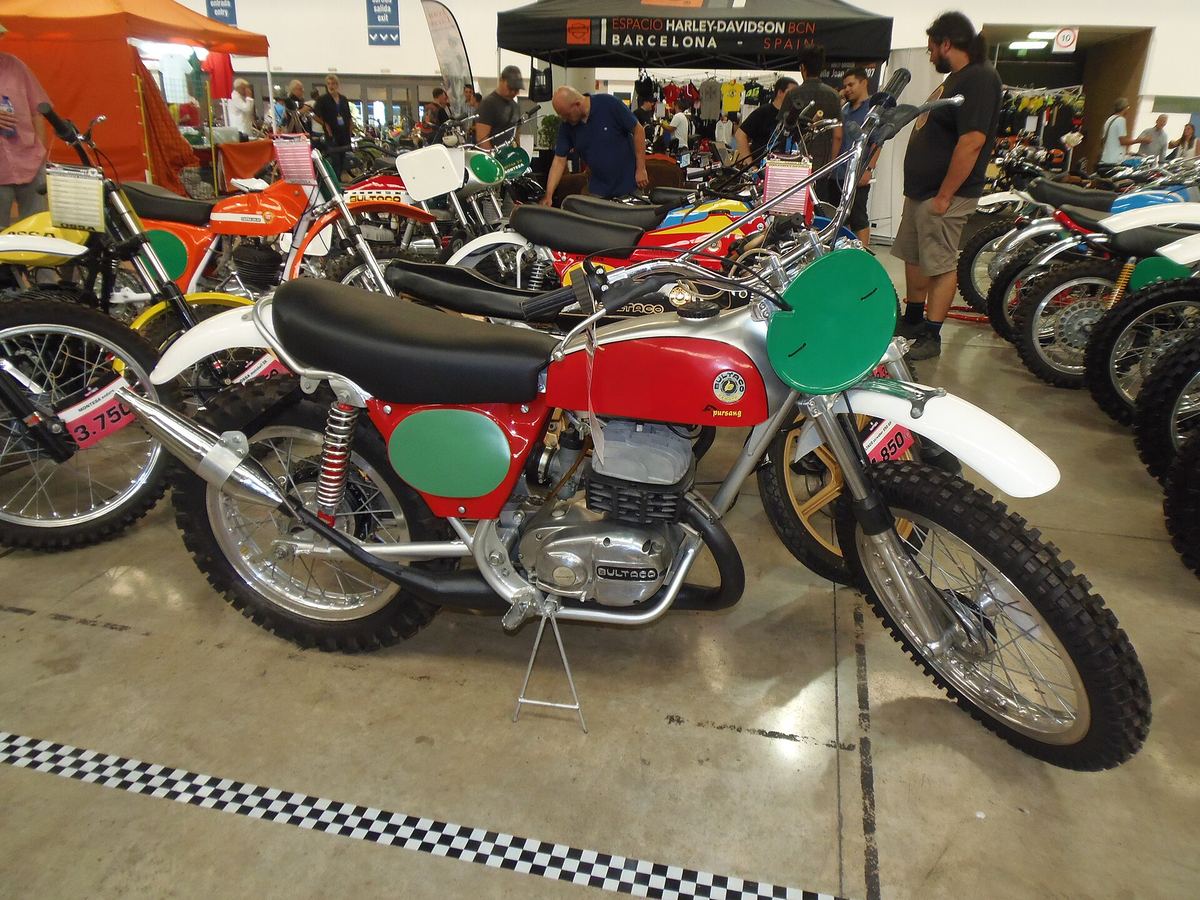
A Bultaco Pursang 250 Mk6 of 1972. Jim Pomeroy won the 1973 Spanish Grand Prix on a stock Mk6 he had assembled himself.. Photo: Peprovira / Wikimedia Commons (CC BY-SA 4.0)
On 8 April 1973 about 150,000 people packed the Circuit del Vallès, between Sabadell and Terrassa, for the opening round of the 250cc motocross world championship. They found an unlikely hero in Jim Pomeroy, a 20-year-old American making his Grand Prix debut on a Bultaco Pursang, and cheered him like a local because of the bike he rode, Cycle News says.
In practice he had been second fastest, a fraction slower than Håkan Andersson's Yamaha. "They must be using egg timers," one doubter said, Cycle World's B. R. Nicholls reported.
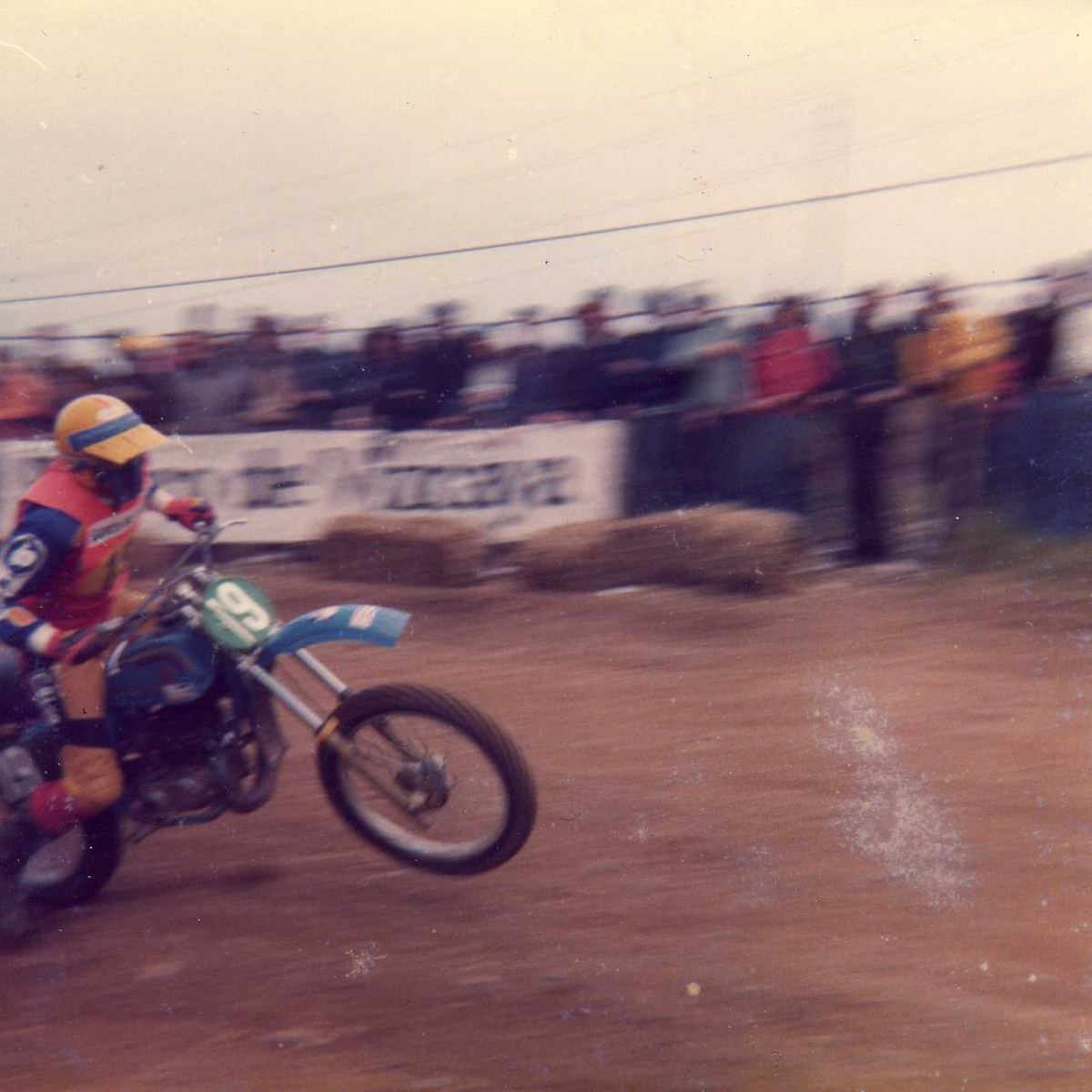
In the first race Pomeroy led at the end of the opening lap, with Andersson second and Hans Maisch on a Maico third. Near the end Maisch cut his lead from ten seconds to five and Pomeroy began to look ragged. Then he collected himself, attacked the steep descents and pulled away to win. The crowd, Nicholls wrote, was "going absolutely mad with excitement to see a Spanish bike leading the world". Pomeroy crossed the line in a wheelie and flashed the peace sign, Ultimate Motorcycling recalls.
His bike was a stock Pursang Mk6 that he had put together himself three days earlier.
Bultaco Pursang: a thoroughbred from a farm outside Barcelona
Francesc Xavier "Paco" Bultó founded Bultaco in 1958, after leaving Montesa over a dispute with his partner Pere Permanyer about whether to keep racing, Motocross Action says. Its first model, the Tralla 101 of 1959, was built at the Bultó family farm, Trials Guru says. The company then set up in old farm outbuildings at San Adrián de Besós, on the northern edge of Barcelona, Cycle World recorded in its 1970 history of the firm. The name joined the first letters of Bultó's surname to the end of his nickname, Paco.
Bultaco's first famous off-road machine was the Sherpa T trials bike. For motocross it first turned to England. The Model 11 of 1964 was sold, "somewhat controversially", as the Bultaco Metisse, the product of a short-lived partnership with the Rickman brothers, Motorcycle Classics says. Its frame copied the Rickman design in plain steel rather than chrome-moly. The National Motorcycle Museum in Iowa describes the original Pursang as a 200cc Petite Metisse with a Rickman-developed chassis.
The partnership broke down over how the frame should be made. Bultó ordered a motocrosser that would be pure Bultaco, and the name said so. A métisse is a mixed breed; pur sang means pure blood, a thoroughbred, the Spanish motoring site Motor Mapfre explains.
From scrambles tracks to the Grands Prix
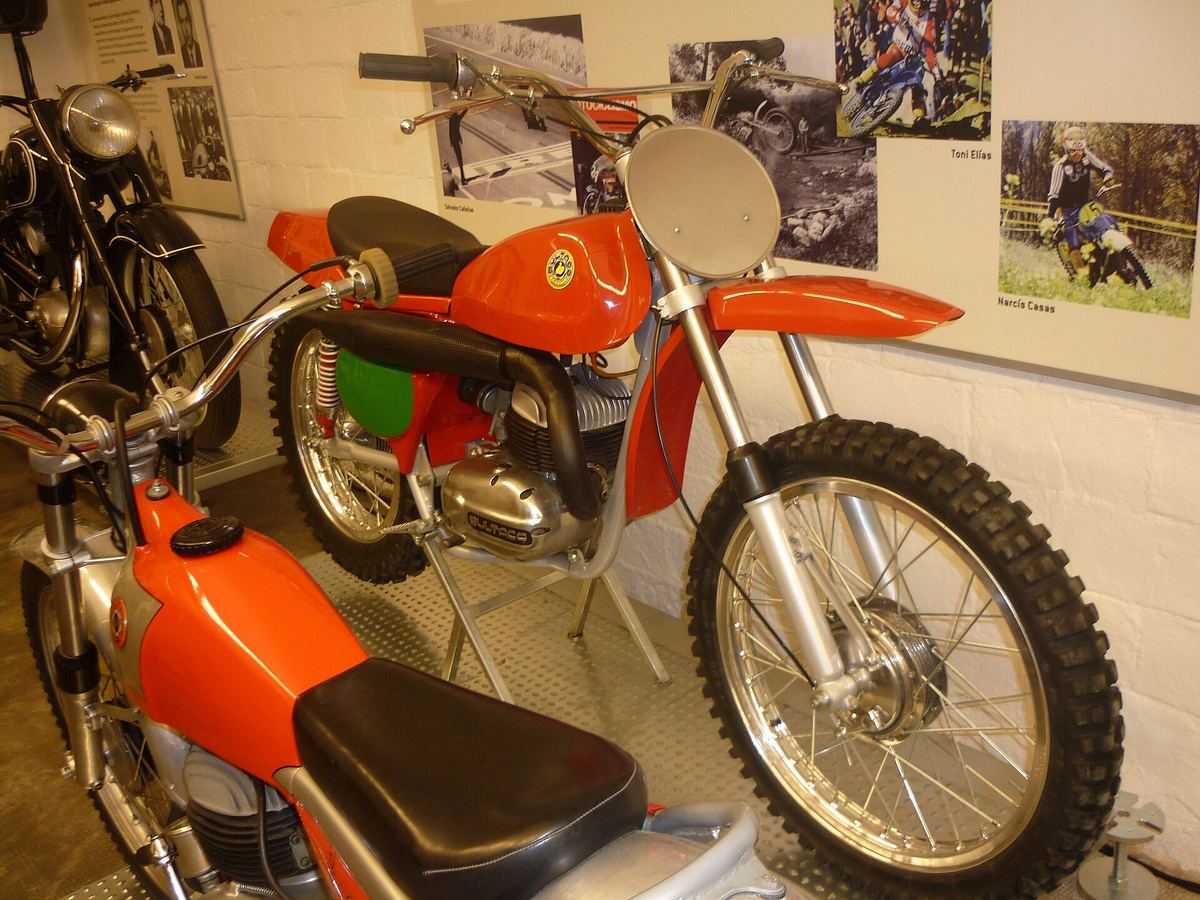
The Pursang that Cycle World tested in June 1967 had an all-new Bultaco frame in place of the licensed Rickman design, and a wheelbase three inches longer than before. The five-speed gearbox had been developed in the factory's TSS road racers. Betor built the forks to Bultaco's design, with more than seven inches of travel, and the 30mm Amal carburettor was a Spanish-made version adapted for two-strokes. The Betor rear units had five spring positions and gave more than four inches of wheel travel. Earlier Pursangs had handled well but shook their heads at speed on rough ground, which the new bike did not. It cost $885 in the United States. "In the total view, the new Bultaco Pursang is an exciting piece of equipment," the testers wrote, adding that it handled brilliantly and stayed stable at high speed.
Motocross Action, looking back, calls this Mk2 the "Boat Tail", for its red fibreglass bodywork shaped like a Chris-Craft speedboat. It made 34 horsepower out of the crate, about five more than many European rivals, but delivered it in a peaky rush. The high exhaust burnt the rider's right leg and gave way to a low pipe in 1968. Americans liked it most on fast, smooth scrambles tracks; its power and long wheelbase suited tight motocross courses less well.
Over the next few years the Pursang name spread across the range, and by the mid-1970s Cycle World was testing Pursangs from 125cc to 370cc. In 1970 the magazine found that the Pursang 250's bottom end and gearbox were strong enough to make Bultaco's smaller Sherpa S scramblers almost unbreakable. Bultaco gave every model a number, and the Pursang went through a long run of "Mark" versions. The pressure from rivals kept rising. By 1974, Cycle World noted, Yamaha's YZs, Husqvarna's chrome-moly CR and Montesa's VR had started a weight race, and both 250 and 450 Kawasakis weighed less than 220lb dry.
Sabadell, 1973
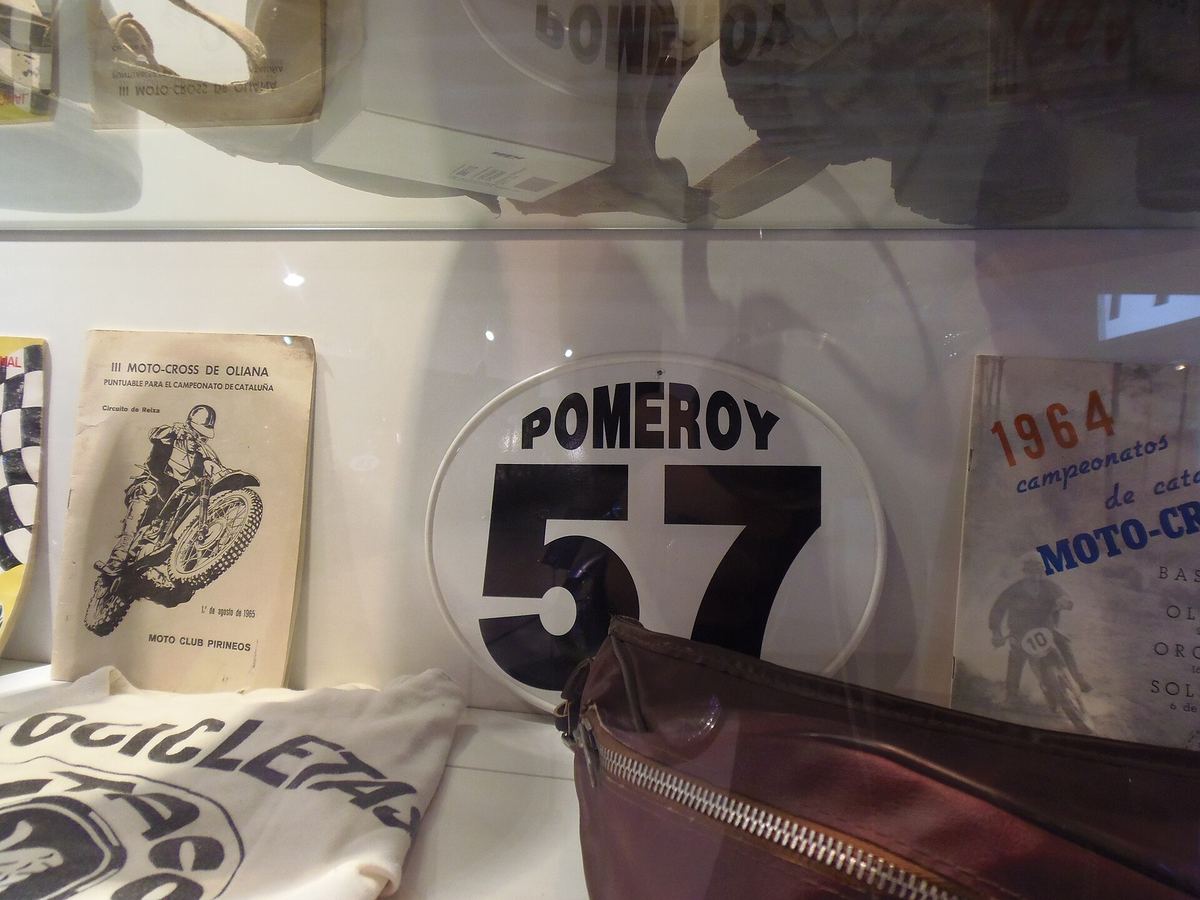
Jim Pomeroy came from Yakima, Washington, and from a racing family; his father Don had been a successful racer in the 1950s and 1960s, Cycle News says. Too young for AMA racing, he raced in Canada from 16. He bought his first bike, a 250 Yamaha, at 16 and switched to Bultaco a year later, Cycle World reported. In 1972, on a privateer Bultaco, he won the AMA 250cc national at Saddleback.
Before the 1973 season, Nicholls wrote, anyone would have offered odds of at least 100-1 against him even finishing on a Grand Prix leaderboard. His Trans-AMA races and the 1972 Motocross des Nations had been plagued by trouble. He went to Spain in January 1973 and visited the factory. Cycle World reported that Bultaco then agreed to support him fully, the first American to get such backing for a world championship season, and that he based himself in Belgium with the importer and veteran racer Marcel Wiertz. Pomeroy remembered it differently. "I was a definite privateer," he told Cycle News. University Honda/Bultaco of Seattle had bought the bike. Later that season Bultaco gave him a 400cc prototype for the first 500cc United States Grand Prix, at Carlsbad on 24 June, where no American won a race.
Between the races, factory mechanics stripped his engine and changed the clutch plates without asking. "It was running so perfectly that I didn't want anything touched," Pomeroy said. In the second race the clutch slipped badly at the start. He fought up to third, crashed in a fourth-gear corner, then caught Maisch, whose family owned the Maico company, to finish fourth.
On the podium the trophy went to Maisch. The organisers had scored the meeting the old way, one point for first, two for second and so on. Pomeroy and Maisch both had five points, and Maisch had the lower total time. But the FIM had changed to 15 points for a win, 12 for second, 10 for third and 8 for fourth that year. Under the new system Pomeroy had 23 points to Maisch's 22, and two days later the FIM named him the winner, Cycle News says. "Ole, that's Spain for you," Nicholls wrote.
Pomeroy was the first American to win a motocross Grand Prix, the first rider to win one at his first attempt and the first American to lead the world championship. It was also the first Grand Prix win on a Spanish motorcycle, Ultimate Motorcycling says.
What it took to win on a Bultaco
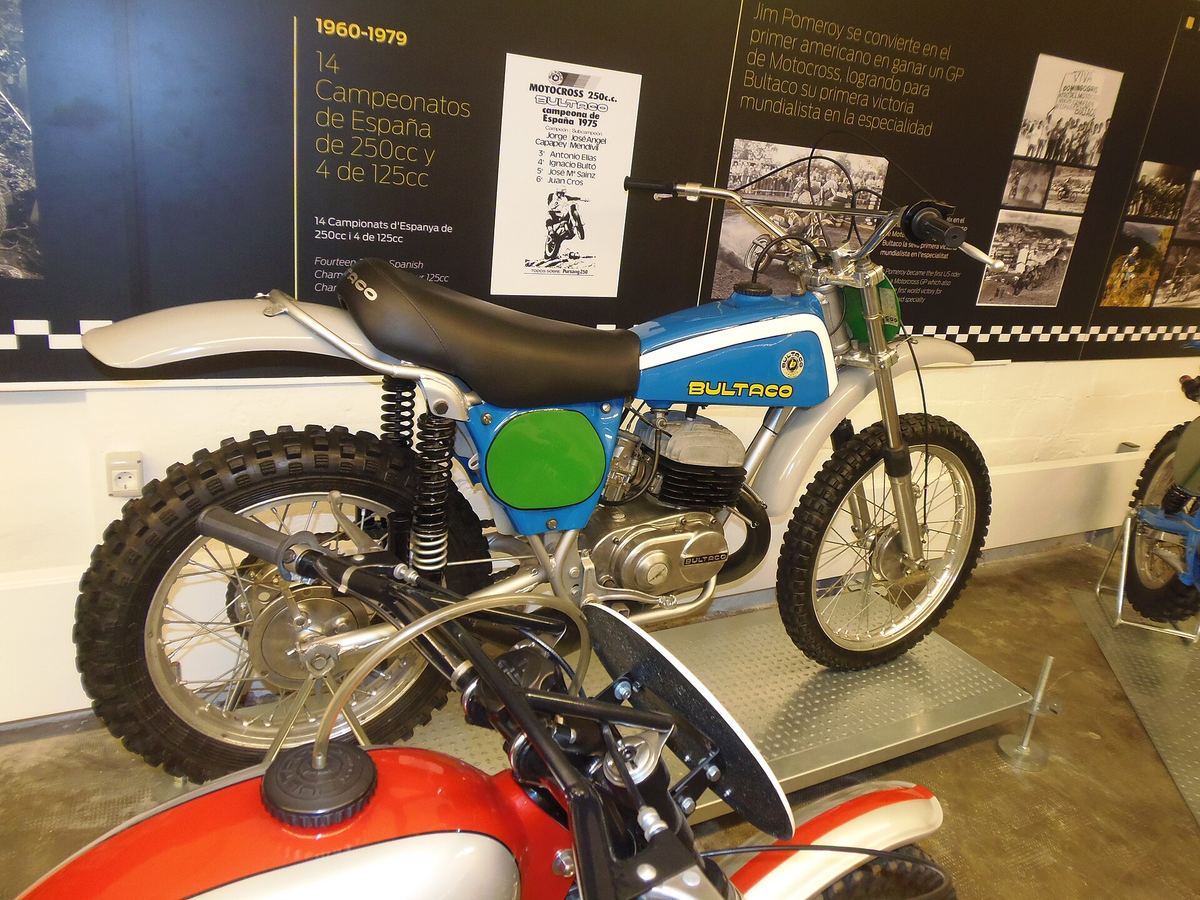
Pomeroy won against the odds and against better machinery. Going into 1973, Bultaco's motocrossers were seen as trailing those of Yamaha, Kawasaki, Suzuki, Maico, Husqvarna and KTM, Cycle News says. Ultimate Motorcycling refers to the machine's "notorious lack of reliability". Motocross Action says the horsepower printed in the brochures was never matched on the track, though a low seat and slack steering head made the bike easy to slide through turns.
He stayed loyal anyway. Bultaco signed him for the rest of 1973, and he was second overall in Italy and seventh in the championship. In 1974 he became the first rider who was not a world champion to win the Trophée des Nations, MXLarge says. In 1975 he won the Belgian Grand Prix. That year in the Trans-AMA series, when his factory bike was held up in shipping, he won a race in Georgia on a stock Bultaco borrowed from a fan, the first race win by an American in the series. In 1976 he was fourth in the 250cc world championship, his best result.
Bultaco named a model after him. Cycle World tested the 360 Pursang Mk7, alias the "352 Jim Pomeroy Replica", in 1975 and found it very light and "about as neutral-handling as any bike there is". "At its present weight, the Bultaco 360 Pursang Mark VII won't beat you to death out on the track," the testers wrote.
Why it still matters
The Pursang outlived its moment but not by much. Pomeroy rode Hondas in 1977 and 1978 and came back to Bultaco in 1979, the year the company stopped racing in mid-season, MXLarge says. Bultaco suspended payments in 1979 and gave up building motorcycles in 1983, the Enciclopèdia Catalana records. A Pursang Mk15 prototype of 1980, now in the Isern museum at Mollet del Vallès, never went on sale.
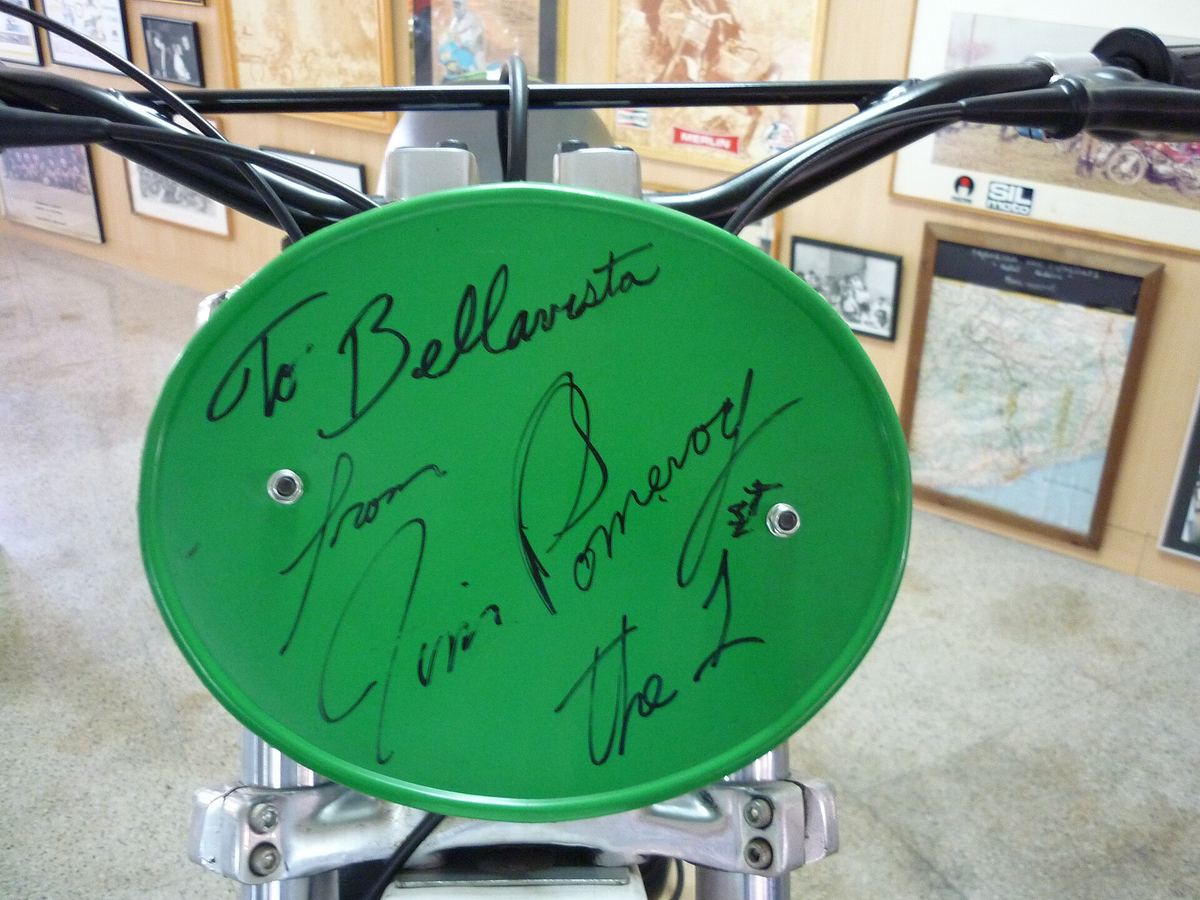
Pomeroy retired in 1980 and ran a motocross school. He never got the Spanish trophy from Maisch. "I asked him for it three or four times, and then I just gave up on it," he said. In 2003, at an AHRMA meeting in Chehalis, Washington, friends led by his brother Ron gave him a new one, assembled from an original 1973 figure kept by the Barcelona foundry. "I never dreamed I'd get that back," he said. He died in a Jeep crash in Washington on 6 August 2006.
The National Motorcycle Museum credits Pomeroy with making the Pursang name famous. Pursangs are not high on most collectors' lists, Motocross Action says; a nicely restored 1974 bike fetches up to about $6,000. That is a modest price for the machine that won America its first Grand Prix.
Quick answers
What is a Bultaco Pursang?
The Bultaco Pursang was the motocross motorcycle built by Bultaco of San Adrián de Besós, near Barcelona, from the mid-1960s until the company collapsed. It followed the Rickman-framed Bultaco Metisse, and its name, meaning "pure blood", announced that it was all Bultaco. It was sold in sizes from 125cc to 370cc.
Who was the first American to win a motocross Grand Prix?
Jim Pomeroy of Yakima, Washington, won the 250cc Spanish Grand Prix at the Circuit del Vallès on 8 April 1973, on a stock Bultaco Pursang. He won the first race and was fourth in the second. The organisers first gave the win to Hans Maisch, but the FIM confirmed Pomeroy as winner two days later.
Why was Pomeroy's 1973 win announced late?
The Spanish organisers used the old scoring, one point for first and two for second, which tied Pomeroy and Maisch and gave Maisch the win on total time. The FIM had switched to 15, 12, 10 and 8 points, under which Pomeroy had 23 to Maisch's 22. The FIM corrected the result two days later.
When did Bultaco stop making motorcycles?
Bultaco suspended payments in 1979 and stopped its racing programme that season, then gave up making motorcycles altogether in 1983. A 1980 Pursang Mk15 prototype, now in the Museu Isern de la Moto at Mollet del Vallès, never reached production. The Bultaco name was later revived for other products.