Torsten Hallman: the Husqvarna world champion who took motocross to America in 1966
In the autumn of 1966 Torsten Hallman, the Swedish 250cc world champion, crossed the Atlantic with a standard Husqvarna and beat America's best on their own tracks. The sources disagree on how many races he won. All agree he won every one.
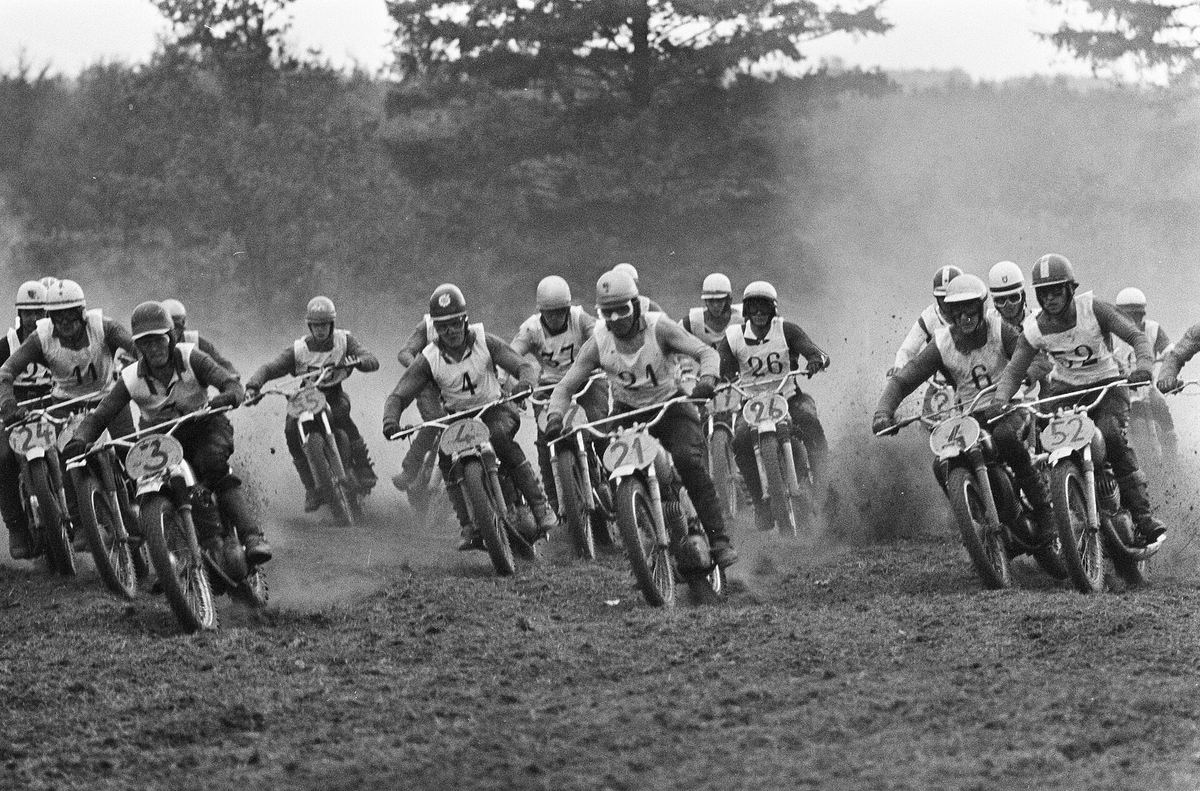
The 1967 Motocross des Nations at Markelo. The Nationaal Archief names Torsten Hallman (6), Roger De Coster (37), Paul Friedrichs (21) and Arthur Lampkin (4) in the pack.. Photo: Eric Koch / Anefo, Nationaal Archief (CC0)
It rained the day Torsten Hallman made his American debut, according to Husqvarna's own history. The race was in an old ghost town in northern California, and the rain had turned it to mud. Between 200 and 250 riders lined up. Hallman had come from Sweden expecting sunshine. "I thought it was warm and hot in the U.S. and I hadn't brought clothing for wet weather riding," he recalled.
His engine would not start. By the time it did, the field had gone. He caught it anyway and passed everyone except Dick Mann, the 1963 AMA Grand National champion. Near the finish he passed Mann too, and won. Mann came over to congratulate him.
That was autumn 1966. Torsten Hallman was the 250cc motocross world champion, sent across the Atlantic by Husqvarna to sell a sport most Americans had never seen. The accounts of the tour disagree on how many races he entered. All of them say he did not lose one.
Torsten Hallman: the engineer from Uppsala
Hallman was born in 1939 and grew up on a farm near Uppsala, where his father ran a mechanical workshop. His father and older brother raced, and the family built a practice track on the farm, according to the AMA Motorcycle Hall of Fame. His first bike was a small DKW, then a 125cc Royal Enfield.
In 1957 Husqvarna's racing manager Bror Jauren gave him factory support. In 1962 he won the 250cc world title, with five wins and a second place in the last six rounds, Cycle World reported. Husqvarna won the 500cc class the same year with Rolf Tibblin.
In 1963 he led again after four rounds, the only rider to score at every meeting, and went on to win a second title. Cycle World's B. R. Nicholls described him that spring as a farmer's son who wanted to become a development engineer. He was studying engineering at Uppsala, and in 1965, his final year, he finished only fourth.
The British had stopped him in 1961: Dave Bickers, Jeff Smith and Arthur Lampkin, in Nicholls's account.
1966: the third title
In 1966 Hallman was 27 and had just finished his engineering degree. The season had 15 rounds. The reigning champion, Victor Arbekov of the Soviet Union, won the first in Spain, with Hallman second. In France Arbekov crashed heavily in the second moto and was unconscious for about half an hour, according to Husqvarna. He missed most of the season.
That left Joël Robert, a Belgian on a CZ who was at his best in rain and mud. They traded wins all summer. After Poland they had four Grand Prix wins each. In Sweden most foreign riders boycotted the meeting over starting money, and Hallman won; in Finland his Husqvarna teammate Olle Pettersson beat him, but Robert scored nothing. In Czechoslovakia Hallman took his 25th Grand Prix win; in Belgium he lost third and fourth gears at the start and still won the first moto and the meeting.
The title was settled in the Soviet Union. Robert finished second, which ended his chances, and Hallman's chain broke during the race. It made no difference. With five wins and four second places, Torsten Hallman was world champion for the third time.
America: autumn 1966
The American side of the story began with Edison Dye, a salesman who had seen motocross in Europe. He persuaded Husqvarna to let him sell its bikes in the United States. Husqvarna's own history says it shipped 75 machines and needed publicity to sell them quickly; another Husqvarna account says Dye bought 50.
The factory approved Hallman's trip three weeks before his flight, he said. Bad weather diverted his plane to a military airfield. "I knew that the U.S. was a tough country, but wasn't this a bit overdoing it at an airport?" he recalled.
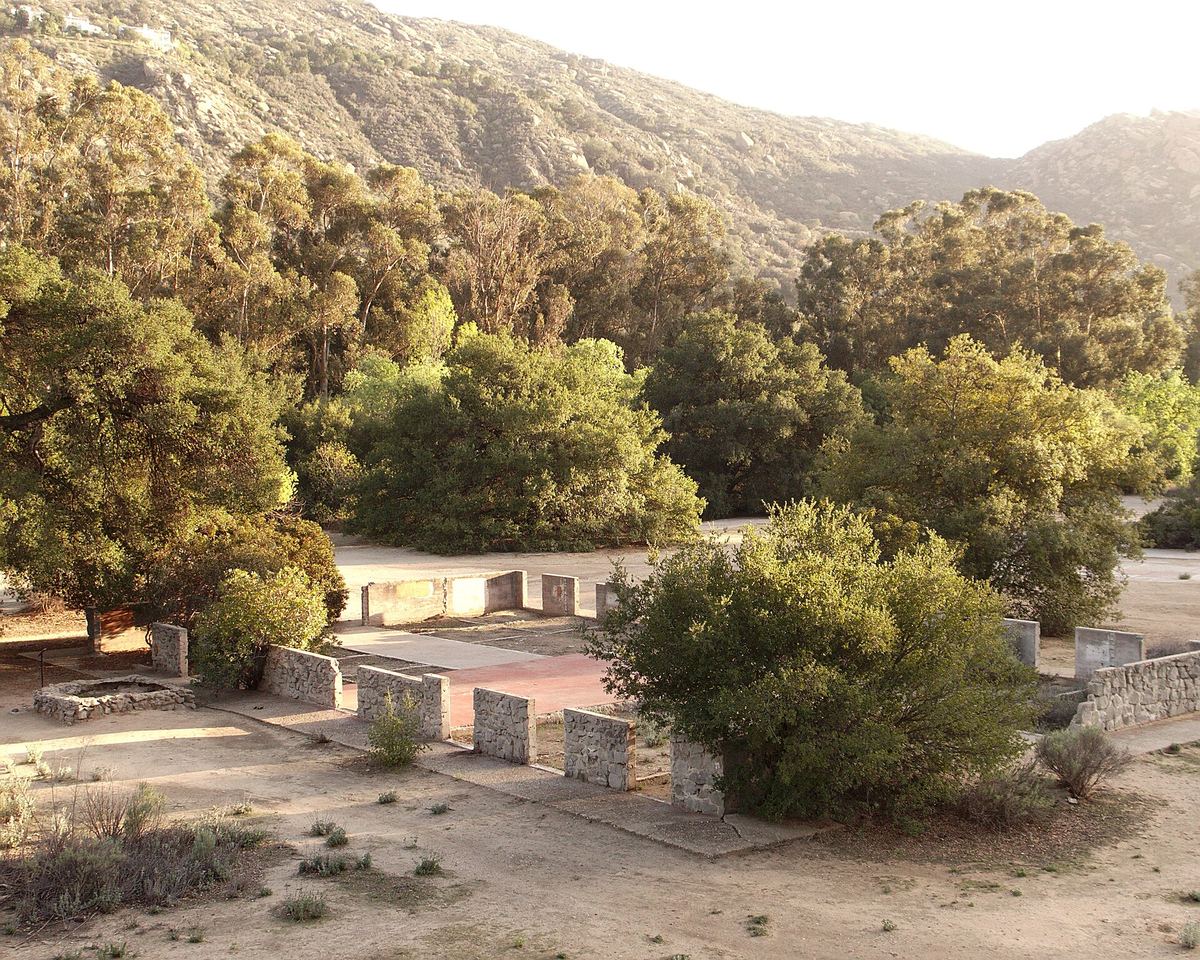
After California the tour went east. At Pepperell, Massachusetts, Hallman laid out the track himself, Motocross Action says, and lapped most of the local riders in three 45-minute motos. Husqvarna's account adds that he won there with a faulty front wheel. The biggest events were in Southern California, at the old Corriganville movie ranch, later called Hopetown, where almost 800 riders entered and first prize was $800. The ranch had belonged to "Crash" Corrigan, who sold it to Bob Hope; Cycle News dates the purchase to 1966. The local Dirt Diggers club, Cycle World wrote in 1973, was the first to show Hallman to Southern Californians. The next year Robert and Roger De Coster made their West Coast debut at the same race.
He rode a standard bike off the production line, the first Swedish motocross machine exported to the United States. It was not perfect. "All the time I kept saying my bike was for some reasons not entirely up to standard," Hallman said. When a dealer took it for a test ride, the rear wheel collapsed after half a lap and the clutch slipped. That dealer became one of Husqvarna's best salesmen in America.
How much did he win? Husqvarna says nine races and 23 heats in about two months. Motocross Action counts seven events. Cycle World's Jimmy Lewis wrote in 1998 that the tour lasted nine months, into early 1967, and that Hallman won all 60 races he entered. The numbers do not agree. The result does.
What it took to sell a sport
It took results first. Dye later said he sold about 100 Husqvarnas in the first year, around 500 in the second and 1,000 in the third. Malcolm Smith became Husqvarna's main rider in America, and Hallman recommended another Swede, Lars Larsson, to demonstrate the bikes at dealers.
Then it took a series. In the autumn of 1967 Dye started the Inter-Am, which brought Hallman back with Bengt Åberg, Roger De Coster and Joël Robert. The Americans did not beat the Grand Prix riders at first, Motocross Action says, but they learned fast. Hallman ran riding schools for American teenagers during the series, and opened a motocross school in Riverside, California, with Malcolm Smith. He later called the Inter-Am "the series that made motocross so popular in America."
Dye ran it until 1970, when the AMA took it over as the Trans-AMA. In 1974 he cancelled a rain-soaked round in St. Louis, and the AMA banned him from promoting motocross for life, Motocross Action reports.
Why it still matters
Hallman won a fourth world title in 1967. In 1968 he lost a fifth after a rear-wheel puncture at Klagenfurt in Austria. "Coming second is like being the first loser," he said afterwards. A back injury slowed him, and Husqvarna dropped him from its factory team. Yamaha signed him, and with his input it developed the YZ series, which the AMA describes as the first production motocross bikes with mono-shock rear suspension.
To earn extra money he started selling motocross trousers and gloves at races, out of the boot of his car. That became Thor, short for Torsten Hallman Original Racewear, now one of the best-known names in off-road clothing. In 1981 an American team won the Motocross des Nations for the first time.
He was inducted into the AMA Motorcycle Hall of Fame in 2000 and named an FIM Legend in 2012. Fifteen years after he lapped them at Pepperell, the Americans were beating Europe.
Quick answers
Who is Torsten Hallman?
Torsten Hallman is a Swedish motocross rider, born in 1939 near Uppsala, who won four 250cc world championships for Husqvarna, in 1962, 1963, 1966 and 1967. In 1966 he toured the United States for importer Edison Dye, and he later founded the Thor clothing brand.
What did Torsten Hallman do in America in 1966?
In the autumn of 1966 Torsten Hallman raced a standard Husqvarna 250 in the United States to promote motocross and sell Husqvarnas for importer Edison Dye. He won every race he entered, from California to Pepperell, Massachusetts, though sources disagree on the total, from seven events to 60 races.
What bike did Torsten Hallman ride in America?
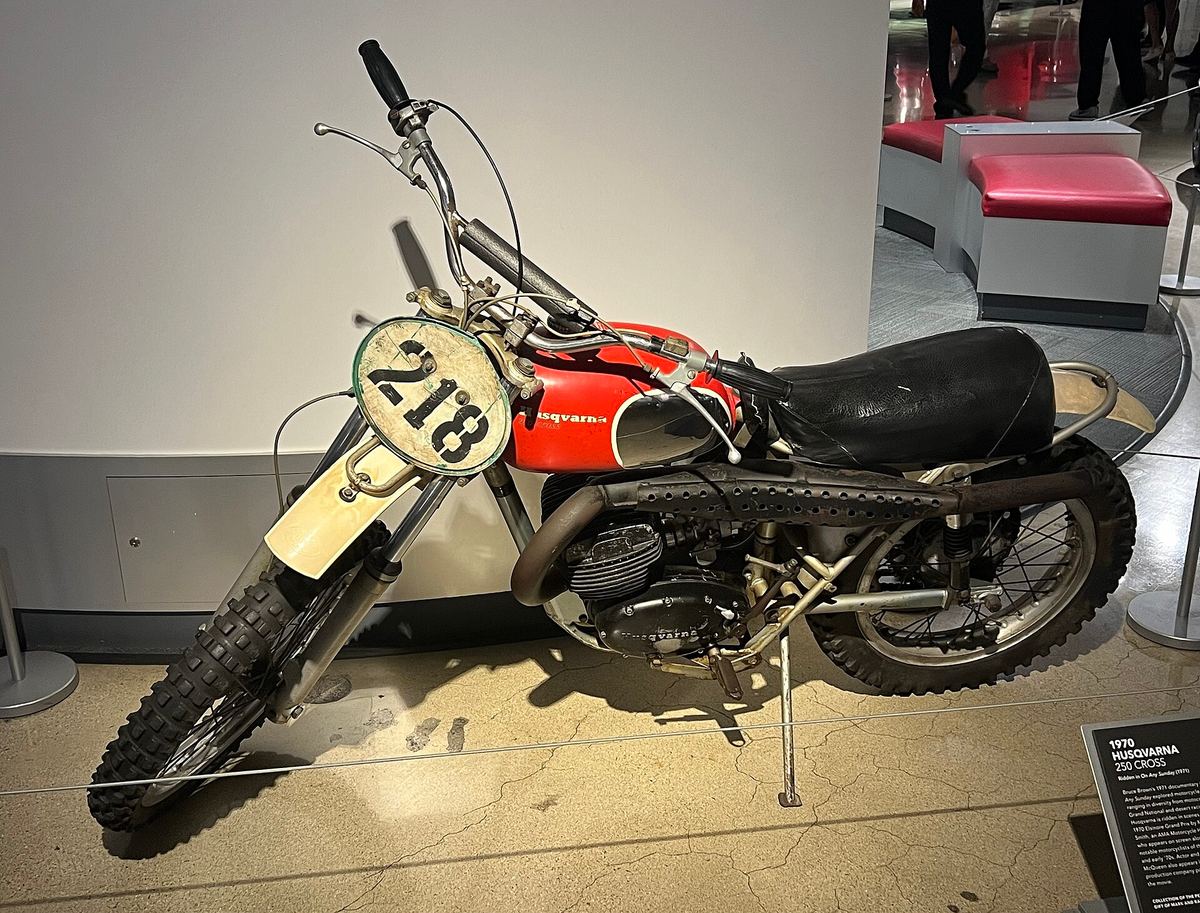
Hallman rode a standard Husqvarna 250 two-stroke, frame number 670001, later nicknamed "Old Number One". It had a four-speed gearbox, a 32mm Bing carburettor, a chromoly frame and 21in and 18in wheels. A 1966 Husqvarna 250 cost $969 in the United States.
What does THOR stand for in motocross clothing?
THOR stands for Torsten Hallman Original Racewear, according to the AMA Motorcycle Hall of Fame. Hallman began selling motocross trousers and gloves at races from the boot of his car to supplement his income, and the business grew into one of the best-known off-road clothing brands.