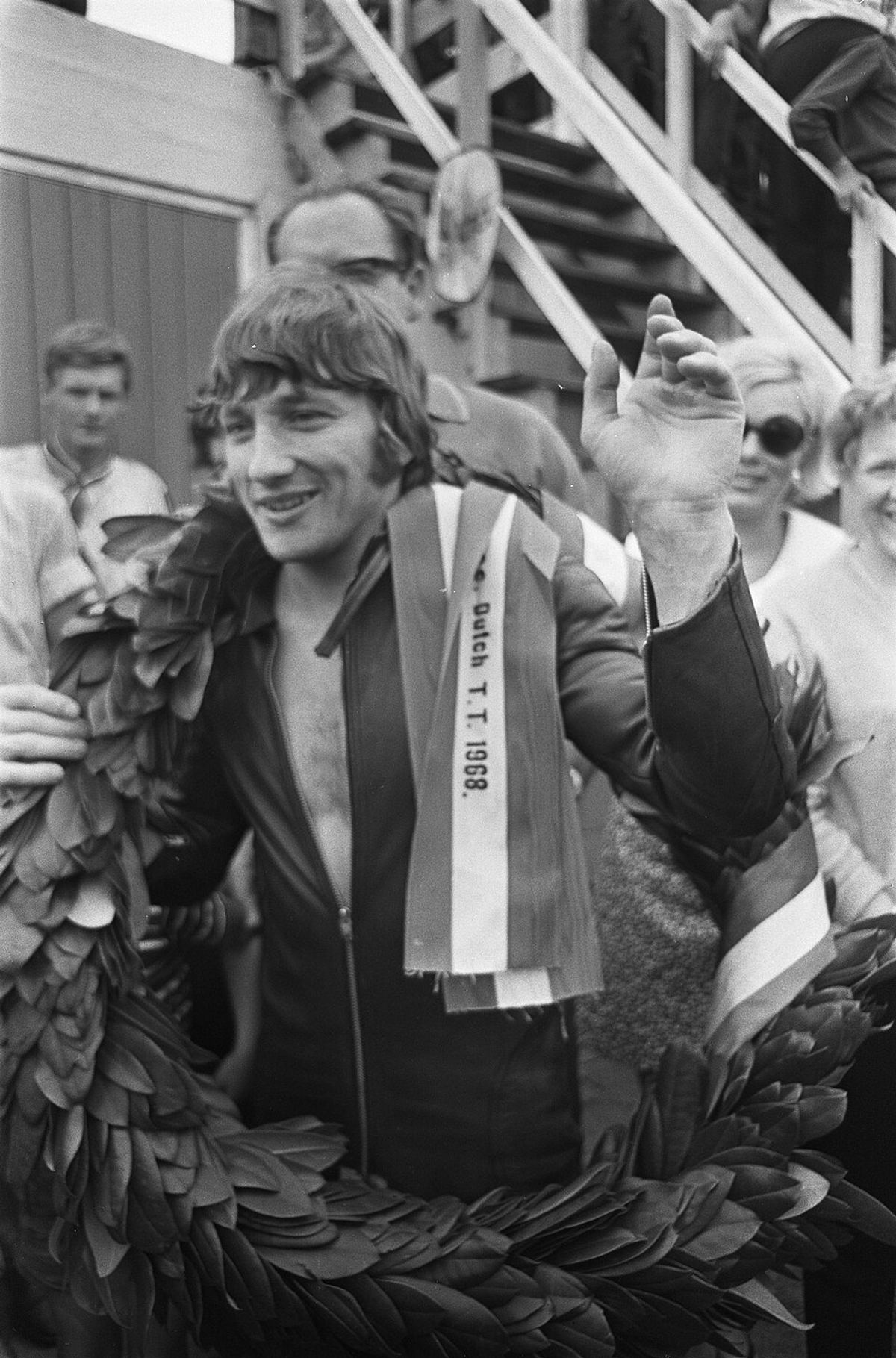
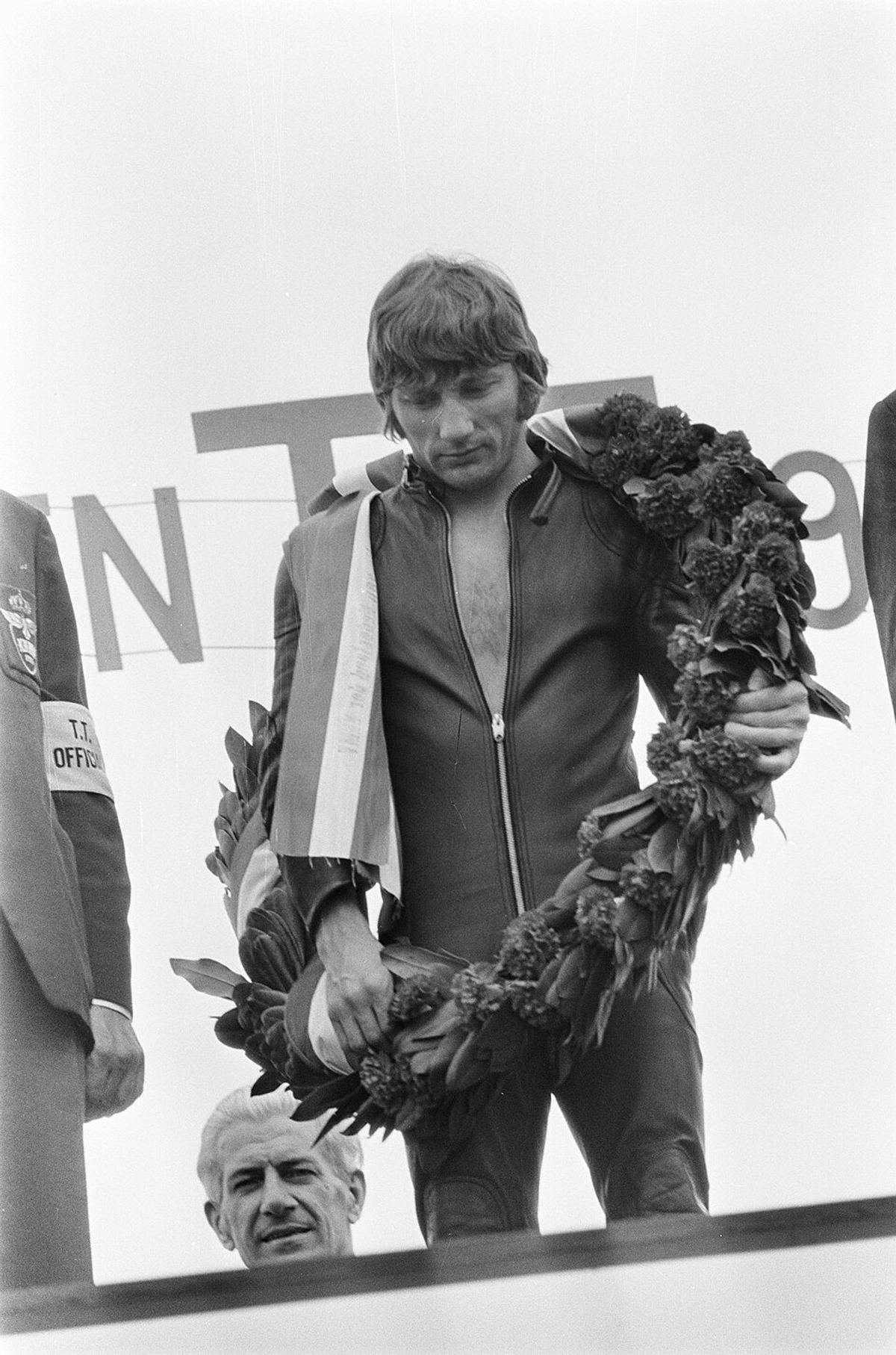
Bill Ivy with the winner's wreath after the 250cc race at Assen, 1968.. Photo: Anefo / Nationaal Archief, CC0
At Monza on 15 September 1968, Phil Read won the 250cc Nations Grand Prix on a Yamaha V4 and beat his team-mate Bill Ivy, on an identical Yamaha V4, to the line. The two men had now won five 250cc races each that season. Yamaha's machines were so far ahead of the field that the title had always been going to be decided inside one garage. After the flag, Ivy lodged a protest over the size of the front number plates.
The protest was thrown out because it had been made after the race, not before. Cycle World pointed out what it would have done if it had stood: the two Yamahas were the same, so both riders would have been disqualified, and the title would have gone to Ivy on the results before Monza.
Instead the two Englishmen finished the championship level on 46 points, level on wins and level on second places. The 1968 250cc world title was settled with a stopwatch and a calculator.
Phil Read, Bill Ivy and the plan Yamaha made
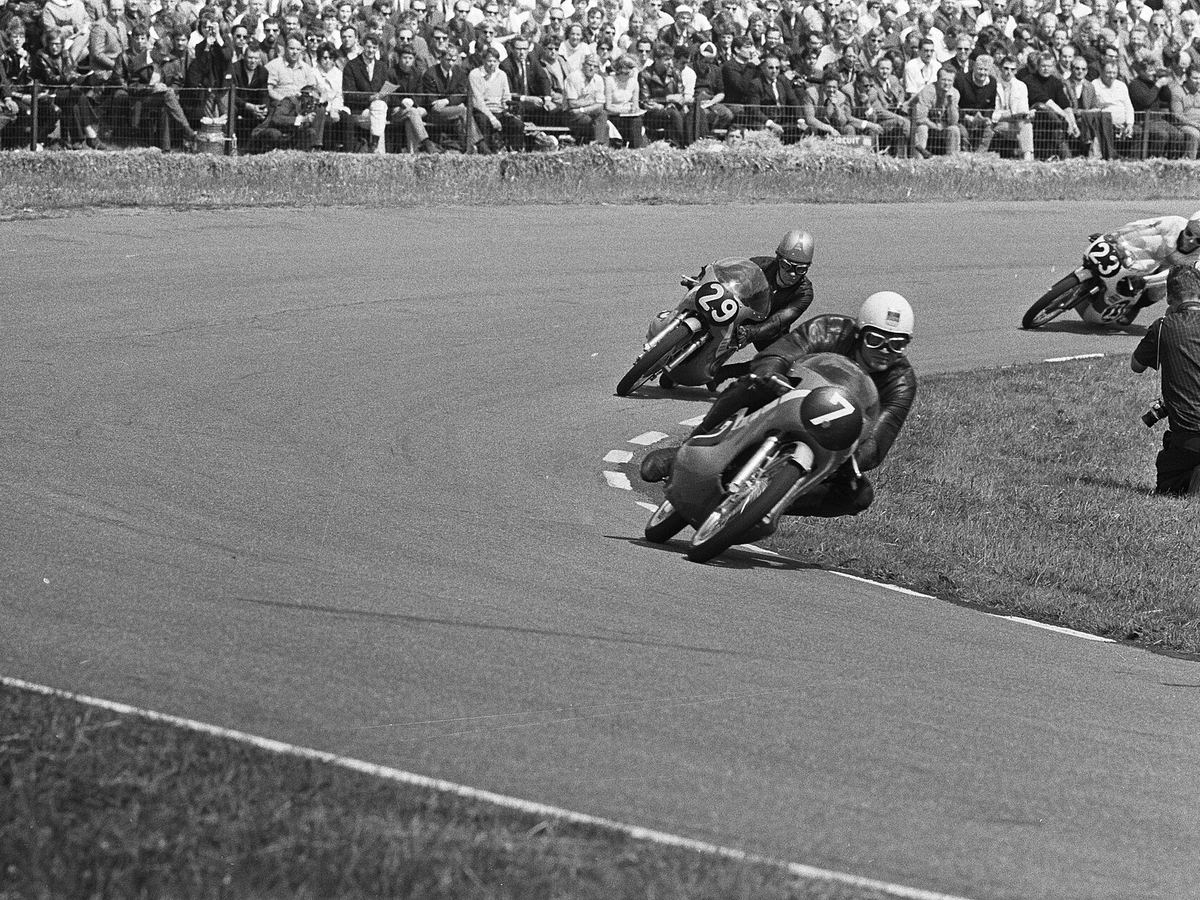
Phil Read and Bill Ivy had the 1968 lightweight classes almost to themselves. Honda and Suzuki had withdrawn at the end of 1967, leaving Yamaha as the only Japanese works team in the 125cc and 250cc championships. Its machines were water-cooled two-stroke V4s, engines with four cylinders arranged in two banks: the 125cc RA31A, rated by Yamaha at 40 PS, and the 250cc RD05A, at 70 PS.
They were demanding machines to run. Ferry Brouwer, who worked on Read's V4s, told Motor Sport that getting all four cylinders' ignition timing as close as possible could take two hours, and that all-nighters at races were common.
Both riders were champions. Read had won the 250cc title in 1964 and 1965. Ivy, from Maidstone in Kent and five foot three, had won the 125cc title in 1967 with eight wins from twelve races.
Before the season Yamaha settled who would win what. Ivy would take the 250cc title and Read the 125cc. Mat Oxley, writing in Motor Sport, calls these team orders illegal, and quotes Read's version of how he heard about them. Oxley also reports, from Yamaha staff of the period, that the team preferred Ivy because people liked him more, and that development sheets from the time show Ivy receiving special engine parts.
Assen to Brno: the deal holds
For half a season the plan worked in plain sight. At the Isle of Man TT in June, Ivy set the first 100 mph lap by a 125cc machine on the Mountain Course, then slowed near the finish of the 125cc race and let Read win. He won the 250cc race himself.
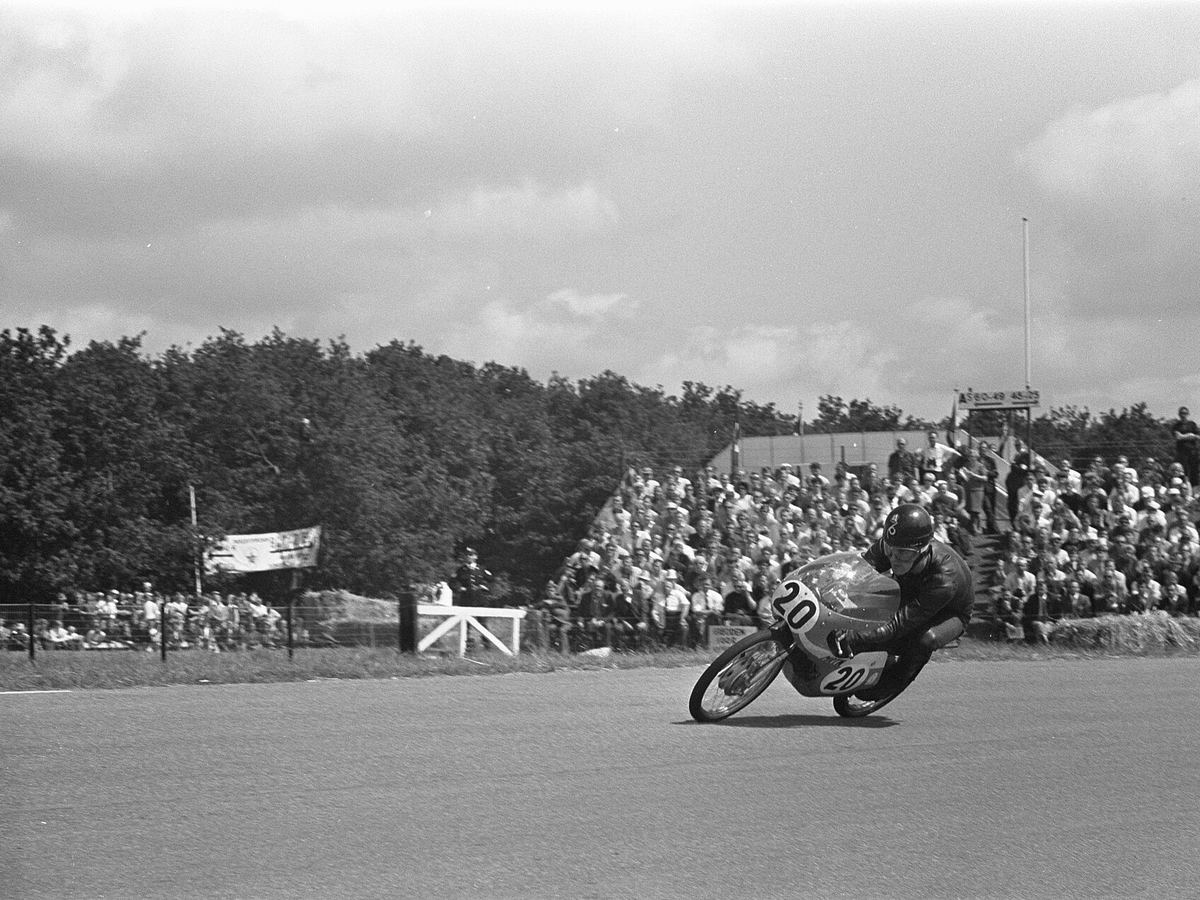
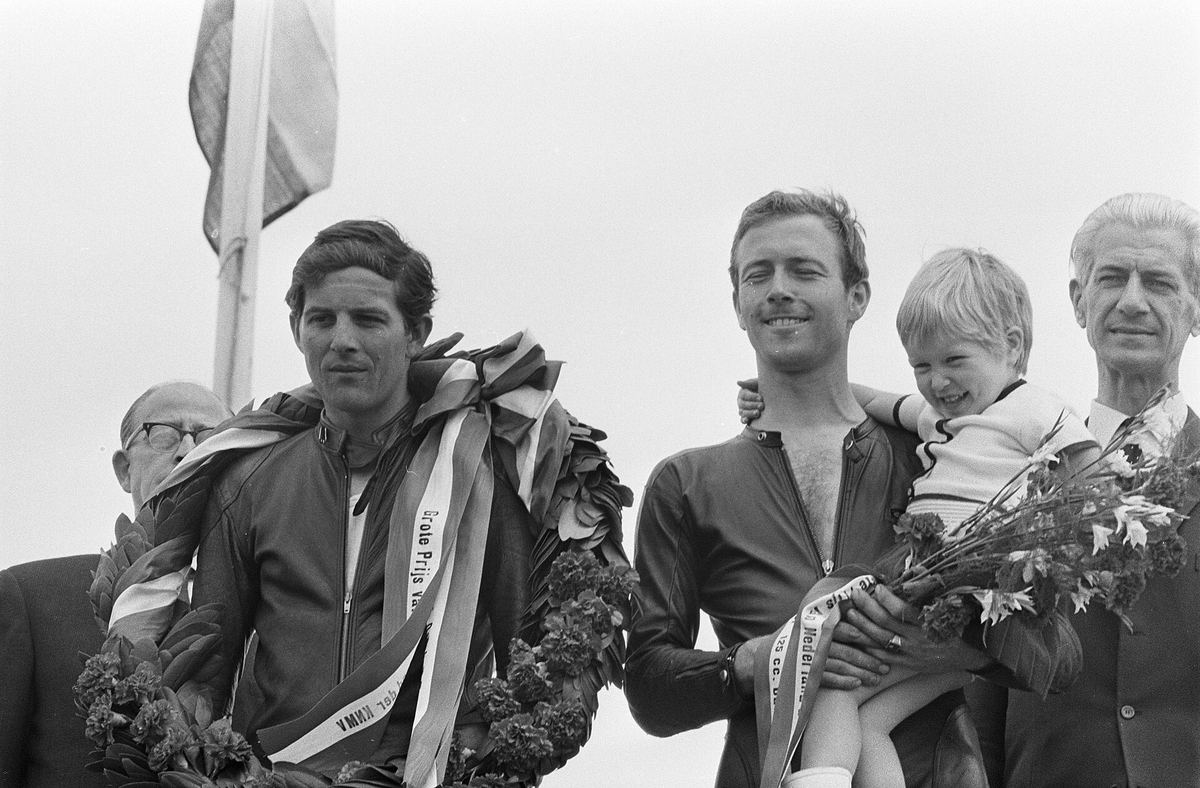
At Assen on 29 June the pattern repeated. Read won the 125cc race and Ivy the 250cc. Cycle World's correspondent wrote that the Dutch TT result "seems to confirm that the Yamaha team men are riding to orders", with each man "well ahead on points" in his own class.
The deal broke at Brno, in Czechoslovakia, on 21 July. Read clinched the 125cc title there with three races still to run. His side of the obligation was done, and he went for the 250cc title too.
Read's account, given to Motor Sport, is that Ivy had been telling everyone he was going to beat him in the 250cc, so Read told him that if he thought he could win while they rode to orders, he would now have to race for it. Motoracers' history of Ivy says simply that Read did not keep to the order to let Ivy pass. Read won the Brno 250cc race 15 seconds ahead of Ivy, and won again at Imatra in Finland.
At the Ulster Grand Prix in August, Ivy won both races. Read retired from the 250cc race with a radiator punctured by a stone thrown up from Ivy's rear wheel, and in the 125cc race he set a lap record of 102.44 mph trying to catch him. Cycle World wrote that "the two can hardly be called teammates."
Monza: two protests and a calculator
The final round at Monza began badly for Ivy before a wheel turned. According to people interviewed by Forix, he scuffled with an official who demanded to see his scrutineering ticket, was ordered to take a second medical check for drugs, was cleared, and missed practice.
Cycle World reported that, for the first time that season, Ivy's Yamaha carried lead ballast to meet the FIM's minimum weight, so that Read could not protest it if Ivy won. Read won the 22-lap 250cc race anyway. Ivy lodged his protests, and Motoracers counts two, both rejected.
With the points level at 46, the FIM compared the riders' combined times in the last four races both had finished. Read was faster by 2 minutes 5.3 seconds and became 250cc world champion for the third time, with the 125cc title already won.
After the flag
Read paid for the double. Yamaha dropped him, and he never rode for its factory team again. Cycle World had reported during the season that Read was convinced 1968 would be Yamaha's last year of racing, which is the reason he gave for going after both titles.
Ivy left motorcycles for Formula Two cars. Jawa brought him back in 1969 with a 350cc two-stroke, and he finished second twice behind Giacomo Agostini. On 12 July 1969, in practice for the East German Grand Prix at the Sachsenring, the Jawa's engine seized and threw him off. He hit an unprotected fence post and died of his injuries. He was 26.
In his brief car career Ivy had impressed Jackie Stewart, who described him to Forix as having "more natural talent than any newcomer I've ever seen."
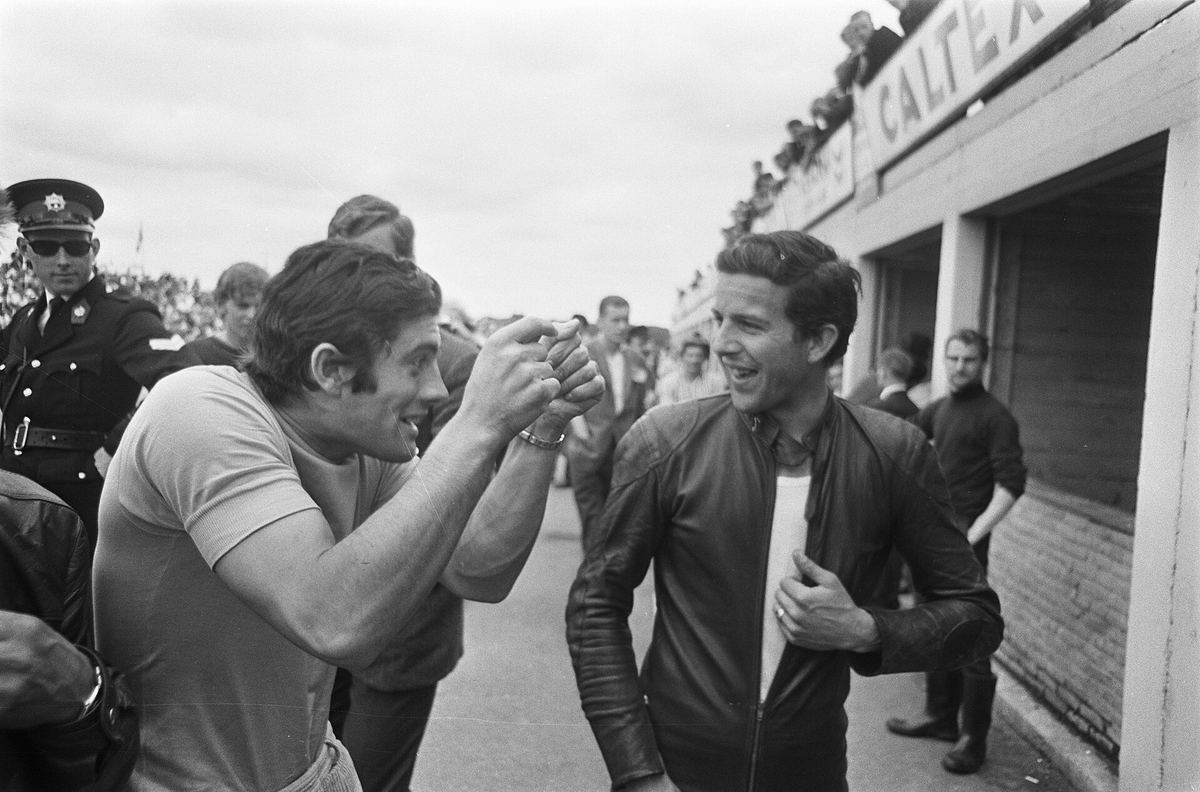
Read kept winning. He took the 1971 250cc title on a private Yamaha and the 500cc titles of 1973 and 1974 on an MV Agusta, beating Agostini to the first of them as his team-mate. He died in October 2022, aged 83, with seven Grand Prix world titles and a TT Formula One world title.
Why it still matters
Every team-orders argument in modern MotoGP has an ancestor here. In 2015, when Valentino Rossi and Jorge Lorenzo were fighting for the title in the same Yamaha garage, Oxley went back to 1968 to ask whether Yamaha would choose its champion again.
The story has no clean villain. In one version Read broke his word. In his own, Ivy's boasting released him from it, and a factory he believed was about to quit had no claim on his future. Both men raced to the last lap at Monza, and both used the rulebook when the racing ran out.
The tie explains Ivy's last season too. A friend, Francis, told Forix that Ivy "thought a gentleman's word was his bond". He walked away from motorcycles at 26 and came back only to pay for his car racing.
Two riders on identical V4s finished a season level on points, wins and second places. The difference was two minutes and five seconds, spread across four races.
Quick answers
Who won the 1968 250cc world championship?
Phil Read won the 1968 250cc world championship on a Yamaha RD05A. He and team-mate Bill Ivy finished level on 46 points with five wins each, so the title was decided on their combined times in the last four races both had finished. Read was faster by 2 minutes 5.3 seconds.
What were Yamaha's team orders in 1968?
Before the 1968 season Yamaha decided that Bill Ivy would win the 250cc world title and Phil Read the 125cc. Read clinched the 125cc title at Brno with three races left, then raced Ivy for the 250cc title as well, against the plan.
Why did Bill Ivy protest at Monza in 1968?
After Phil Read won the 250cc race at Monza in 1968, Bill Ivy protested the size of the front number plates. The protest was rejected because it was lodged after the race. Had it stood, both identical Yamahas would have been disqualified and the title would have gone to Ivy.
How did Bill Ivy die?
Bill Ivy died on 12 July 1969, aged 26, in practice for the East German Grand Prix at the Sachsenring. The engine of his Jawa 350 seized and threw him off, and he struck an unprotected fence post.