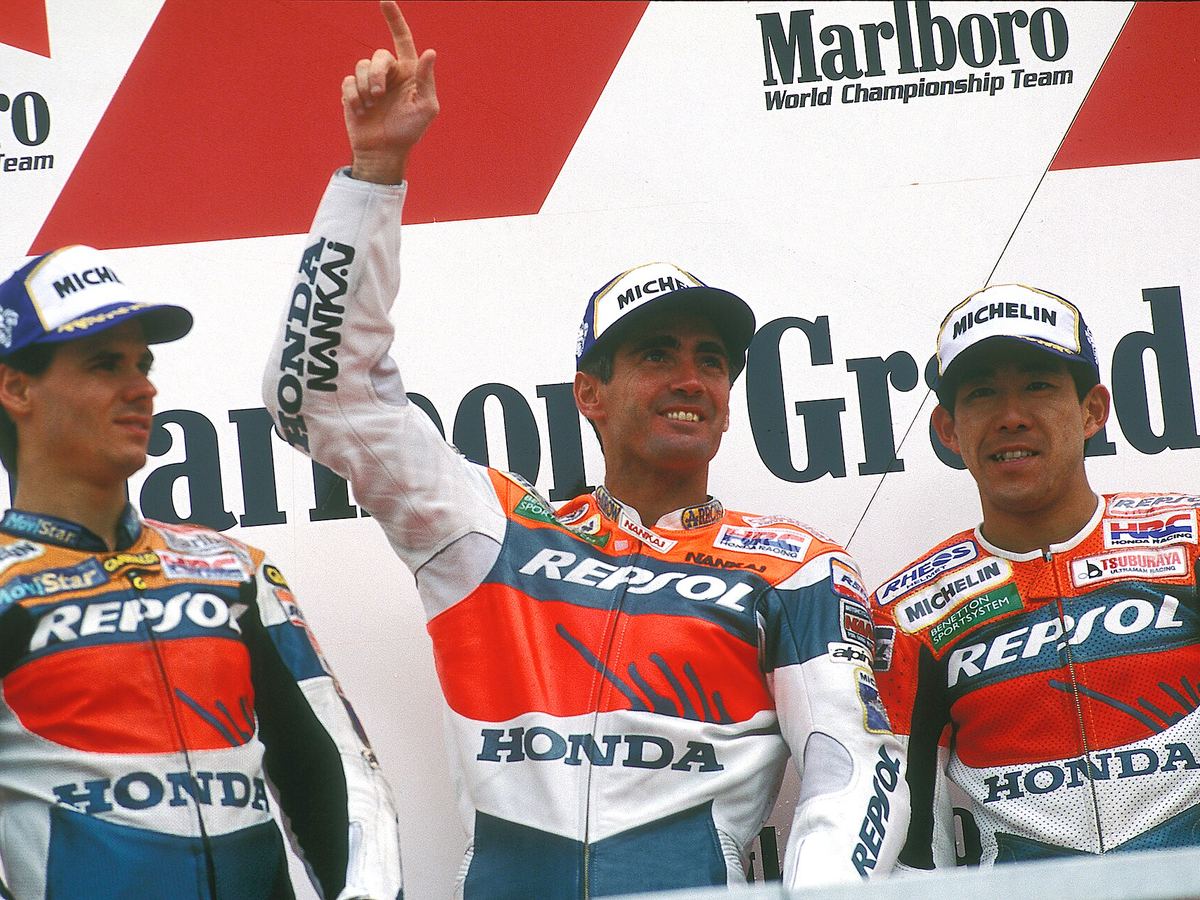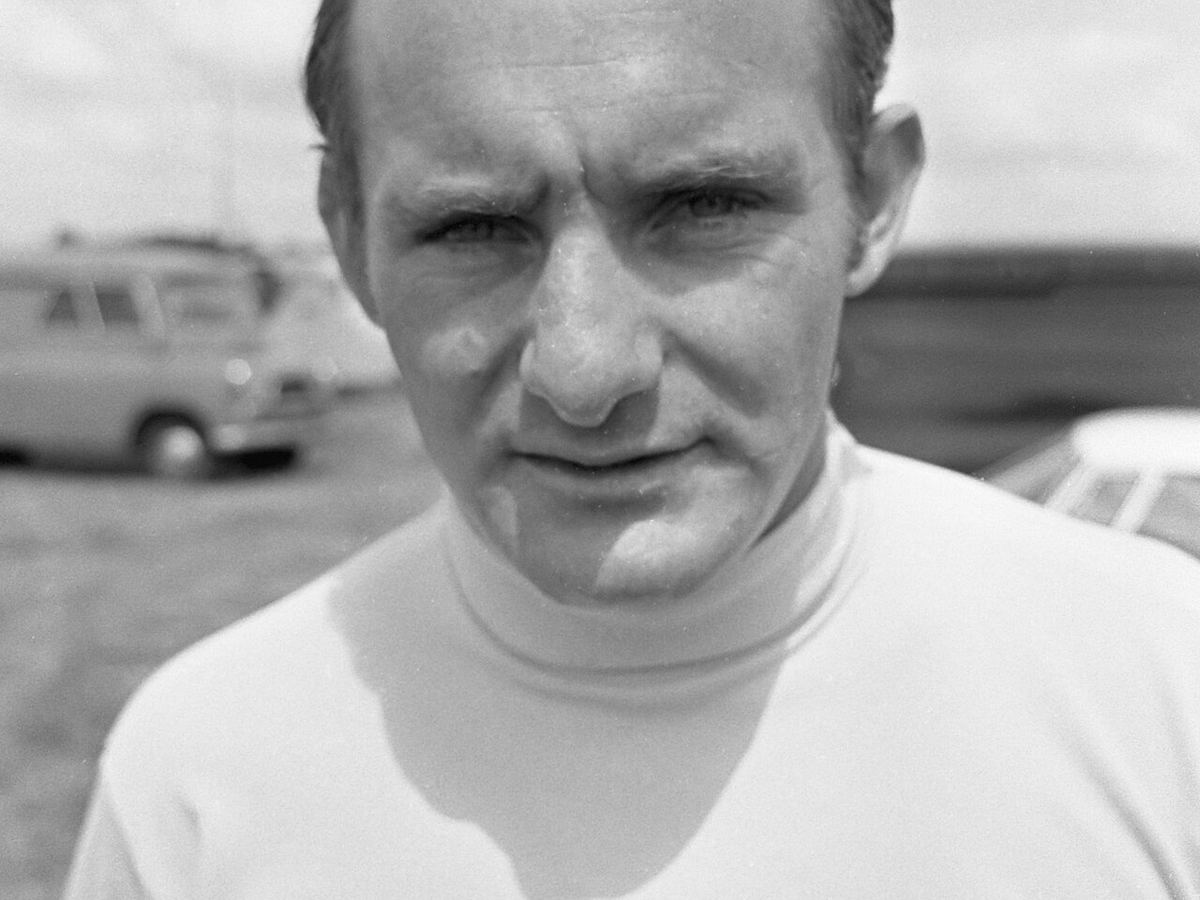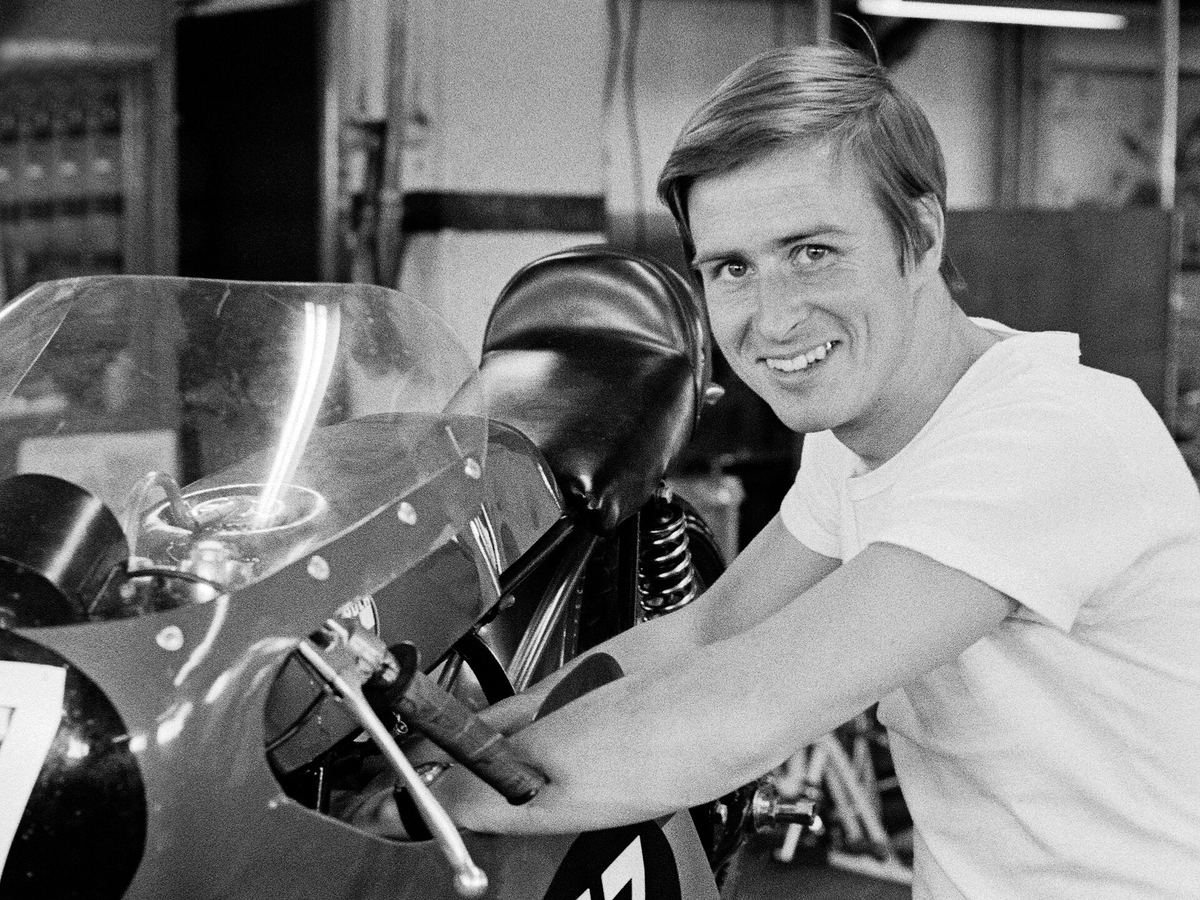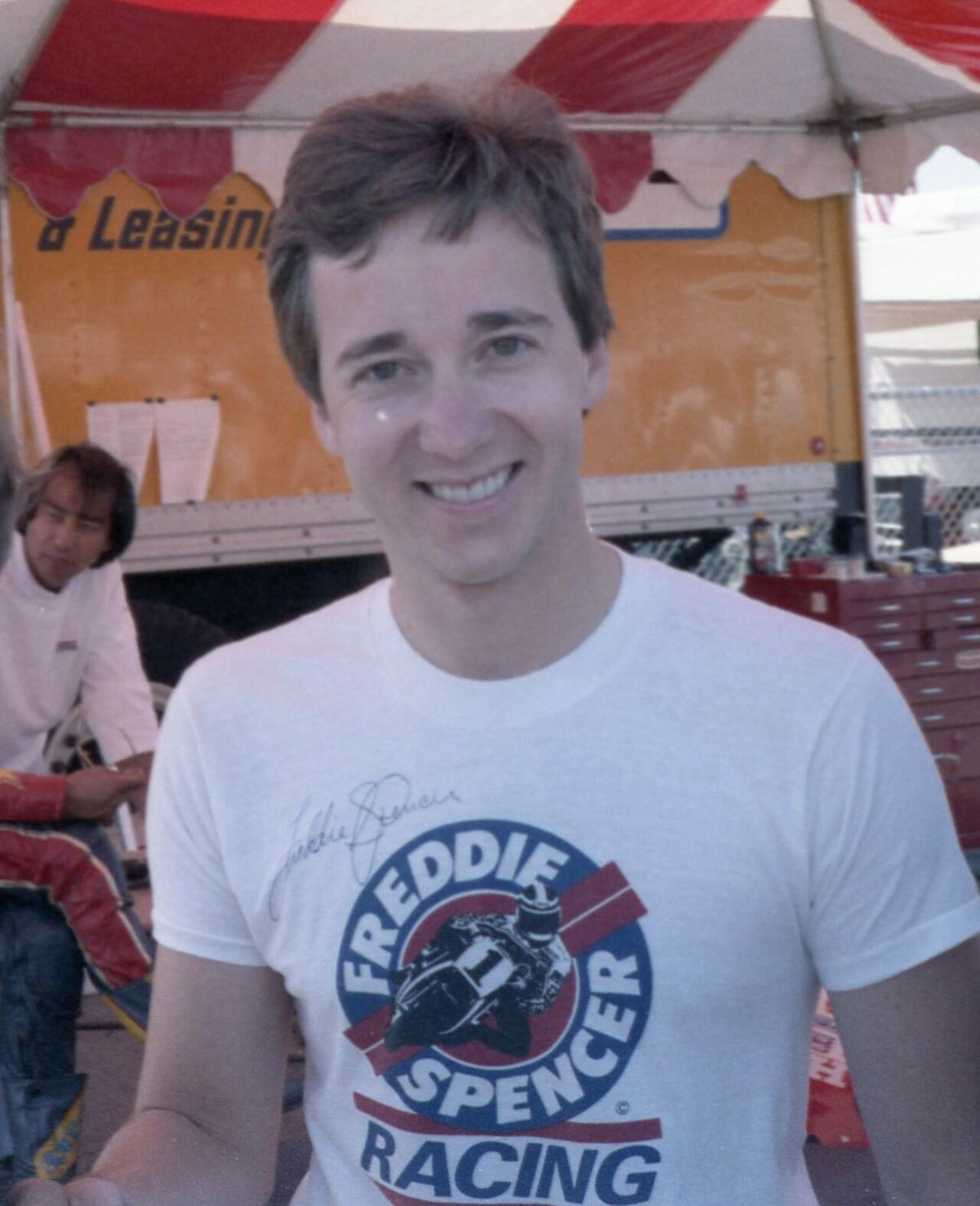
Freddie Spencer at Laguna Seca in 1985, the year of his 250cc and 500cc double.. Photo: Craig Howell / Wikimedia Commons (CC BY 2.0)
Mugello, 26 May 1985. Freddie Spencer has just beaten Eddie Lawson by nine seconds in the 500cc Italian Grand Prix, in heat close to 40°C. He climbs the podium, sprays the champagne without drinking any, and runs. The 250cc riders are already heading out for their sighting lap.
He makes the grid only because two rivals, Toni Mang and Carlos Lavado, wait for him in the collecting area. Races still start with a push, and when the flag drops his legs barely move. He completes the first lap 19th. Then he picks off the field one by one and wins.
That night Freddie Spencer sat in his motorhome with two trophies. It was the first double win of what became the only 250cc and 500cc title double in Grand Prix history. And for the first time in 19 years of racing, he later wrote, he found himself asking a question.
Who Freddie Spencer was
Frederick Burdette Spencer was born on 20 December 1961 and grew up in Shreveport, Louisiana. His father raced karts and drag cars, and Freddie got his first minibike, with a Briggs & Stratton lawnmower engine, at the age of four. He spent his childhood in the backyard, sliding on wet leaves and slick Louisiana clay, teaching himself to change direction at any lean angle.
By 13 he was racing 40 weekends a year, and by 14 he was on a Yamaha TZ750, then the fastest racing bike in the world. When he was six, a photo on the wall of his local Honda dealer had caught his eye: the owner shaking hands with Soichiro Honda himself. In 1980, with offers from Yamaha and Kawasaki on the table, Spencer signed with Honda as the fourth rider in its American superbike team.
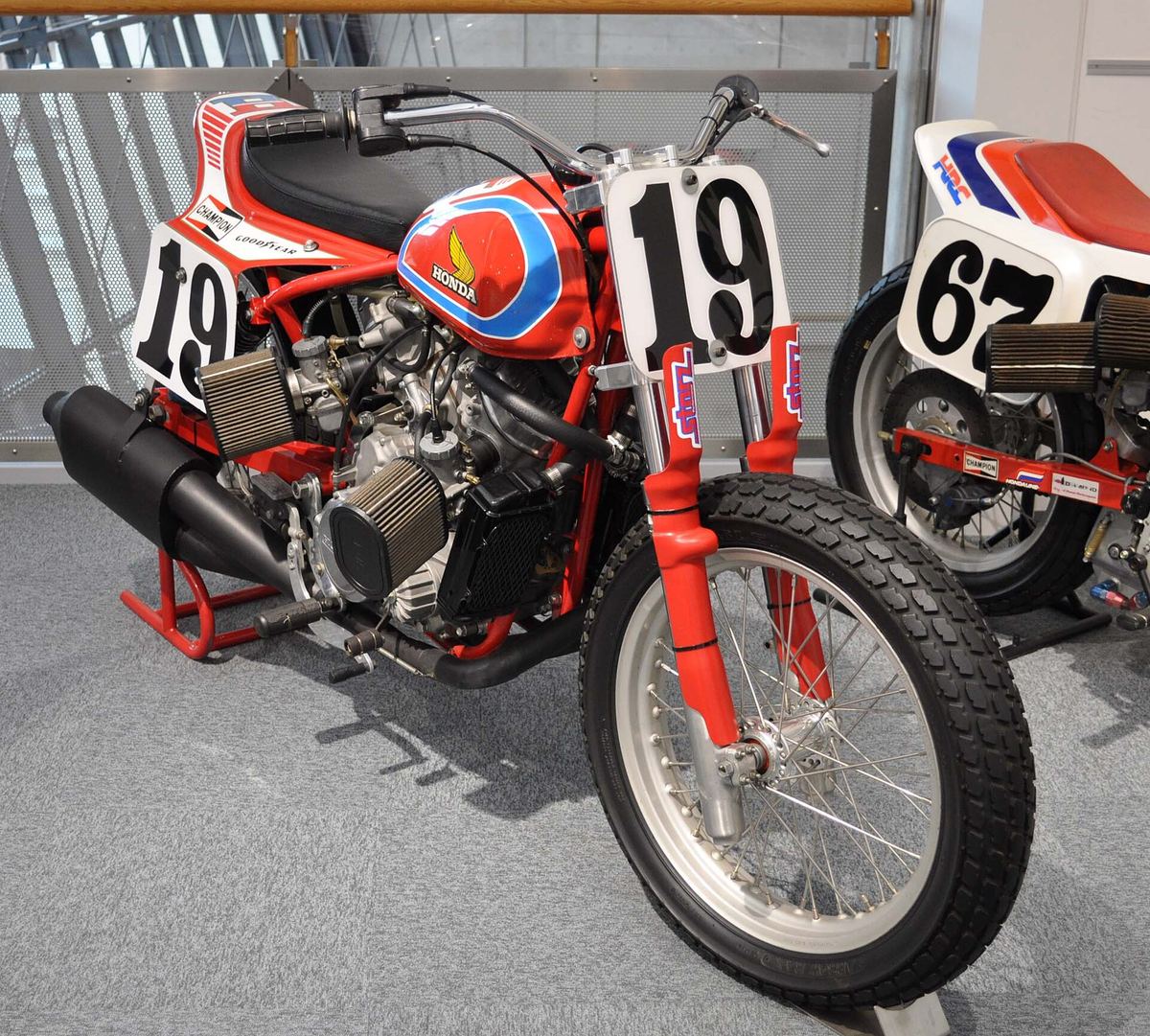
In the Grand Prix paddock he stood out for being quiet. Champions like Barry Sheene, Kenny Roberts and Marco Lucchinelli were loud and larger than life. Spencer, a polite young man from the Bible Belt, drank Dr Pepper on the podium and slept in his motorhome. The European press called him Mr Clean. The fans called him ET.
1983: Freddie Spencer beats King Kenny
Freddie Spencer won his first Grand Prix at Spa in 1982, aged 20, on Honda's new NS500, a light three-cylinder two-stroke that handled better than its rivals. In 1983 he took on Kenny Roberts, the three-time 500cc champion, in what became one of the closest title fights the class has ever seen.
Each man won six races. At Anderstorp, the penultimate round, Spencer arrived two points ahead and beat Roberts by 0.16 seconds after an aggressive last-lap move that left the Californian furious. At the Imola finale Roberts won and Spencer finished second, enough to take the title by two points.
At 21, Spencer was the youngest 500cc world champion in history, a record he took from Mike Hailwood and held until Marc Márquez in 2013. He was also Honda's first premier-class champion. Soichiro Honda invited him home to celebrate with sushi; according to Motor Sport, Spencer ate a cheeseburger.
He was not just fast but different. In the late 1970s Roberts had shown how to slide the rear tyre. Spencer, according to Motor Sport's Mat Oxley, was the first to slide the front, a far riskier technique. His Honda engineer Stuart Shenton noticed that he wore out front brake pads four or five times faster than other riders.
1985: the double on the Honda NSR500 and NSR250
Freddie Spencer's 1984 season was a lesson in experimentation. Honda gave him the first NSR500, an "upside-down" bike with the fuel tank under the engine and the exhausts running over the top to lower the centre of gravity. It did not work as hoped, and Spencer finished fourth.
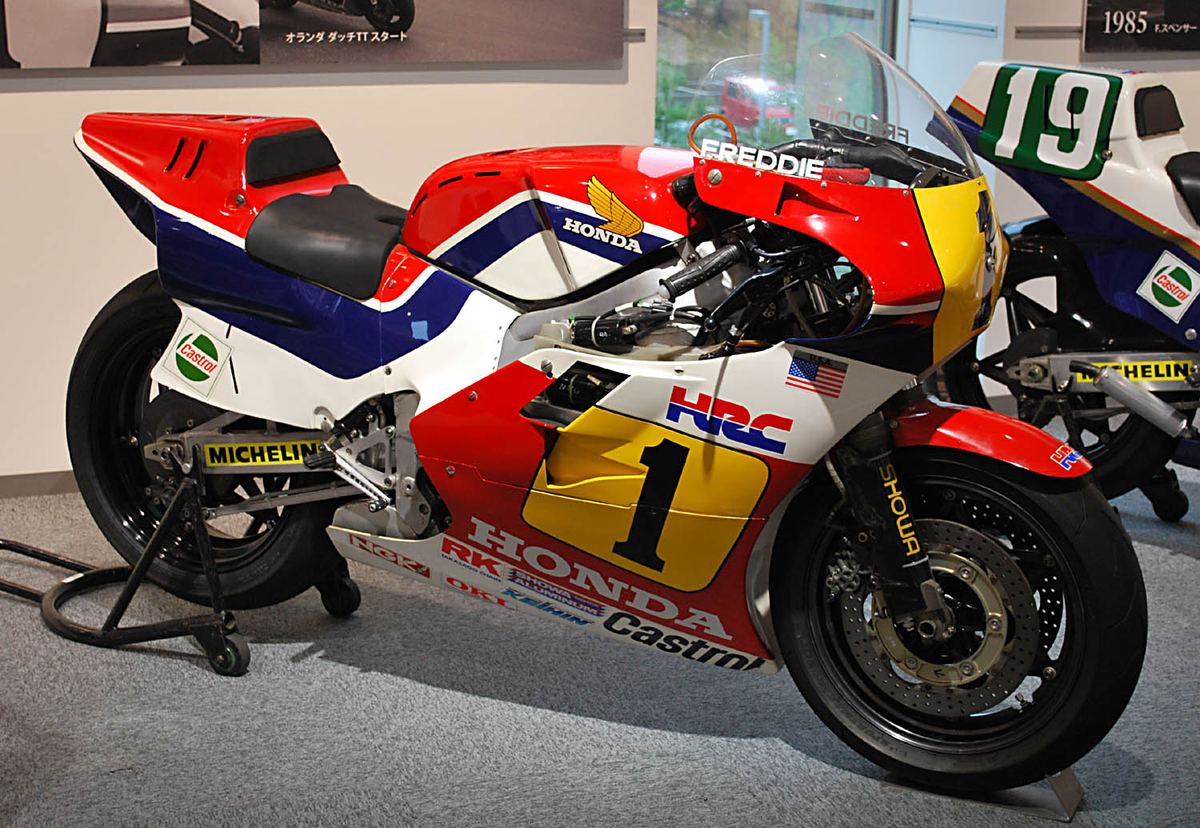
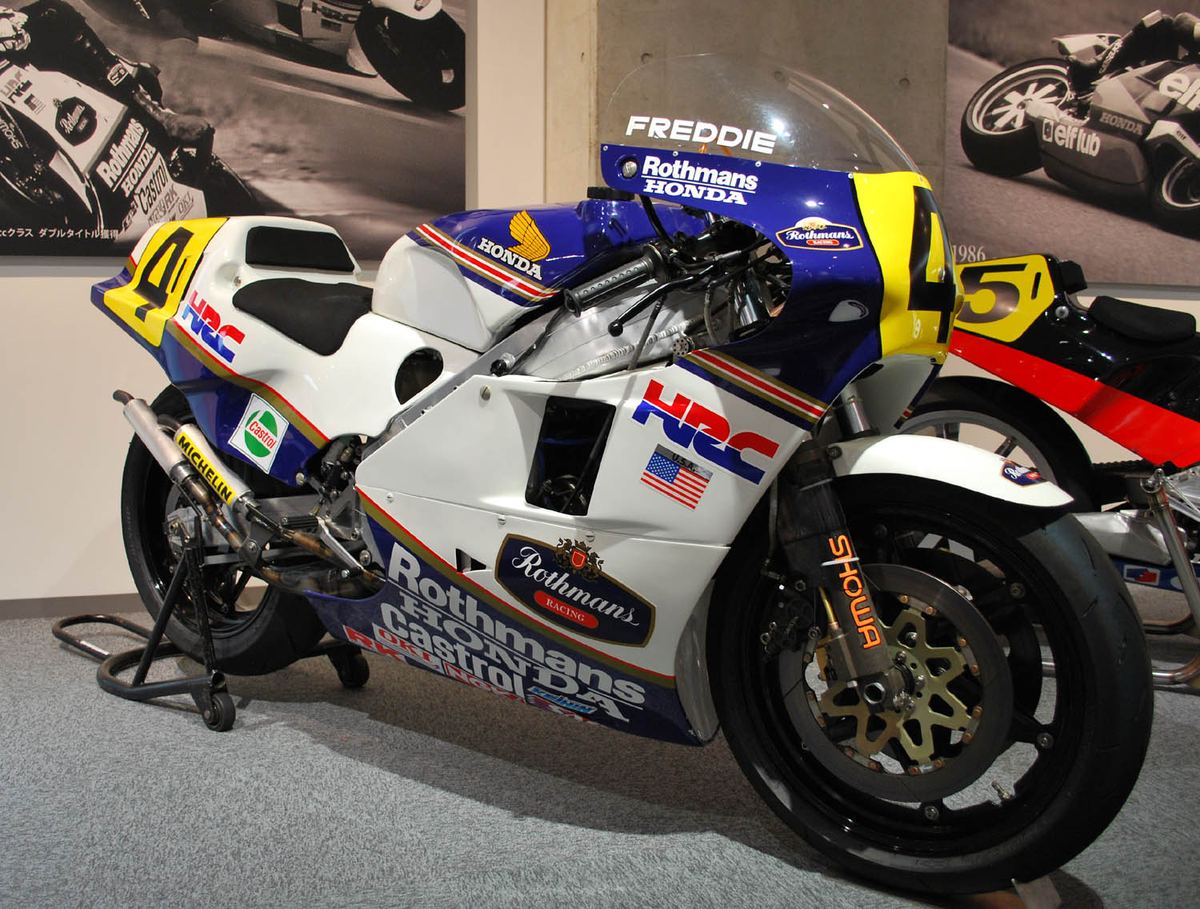
For 1985 he decided to race in both the 250cc and 500cc classes. Honda built a new NSR500 and an NSR250 around his riding, and Michelin used him to develop radial tyres for both. Pre-season testing ran for six or seven days at a time, up to 200 laps a day, with no data logging. Spencer and his engineer Erv Kanemoto were the telemetry.
The two classes practised and raced on the same days, often back to back. Four times that season, starting at Mugello, he won both races on the same day. He clinched the 250cc title at Silverstone in early August and the 500cc crown a week later at Anderstorp, where he beat Lawson by 22 seconds.
What Freddie Spencer left behind
Freddie Spencer never won another Grand Prix after Anderstorp. He kept racing for another decade, in Grands Prix and later in American superbikes, but he was burnt out, carrying injuries and, by his own account, changed by that night at Mugello. Flashes of the old speed came back now and then. The wins did not.
His record has proved harder to break than anyone imagined. Four decades on, no rider has won the 250cc and 500cc titles, or their modern equivalents, in the same season. His 27 Grand Prix wins came in just four seasons at the front.
Spencer told the full story in his autobiography, Feel: My Story, and still works as a television commentator and occasional Honda ambassador.
Freddie Spencer reached the top of two classes at once, looked around, and asked what came next. Nobody has climbed that high since to find out.
Quick answers
Who is the only rider to win the 250cc and 500cc world titles in the same year?
Freddie Spencer is the only rider to win the 250cc and 500cc world titles in the same season. He did it in 1985 on Honda's NSR250 and NSR500, winning both races on the same day four times that year.
How many world titles did Freddie Spencer win?
Freddie Spencer won three world titles: the 500cc championship in 1983 and 1985, and the 250cc championship in 1985. He won 27 Grands Prix, all between 1982 and 1985, and gave Honda its first 500cc world title.
How did Freddie Spencer win the 1983 500cc title?
Freddie Spencer beat Kenny Roberts to the 1983 500cc title by two points. Each won six races. Spencer won the penultimate round at Anderstorp by 0.16 seconds, then finished second to Roberts at Imola to clinch the championship at 21.
Why did Freddie Spencer never win again after 1985?
Freddie Spencer never won another Grand Prix after clinching the 1985 500cc title at Anderstorp. He was burnt out after the double season, carried several injuries, and later said his outlook on racing had changed after his Mugello double that May.